Cuachalalate
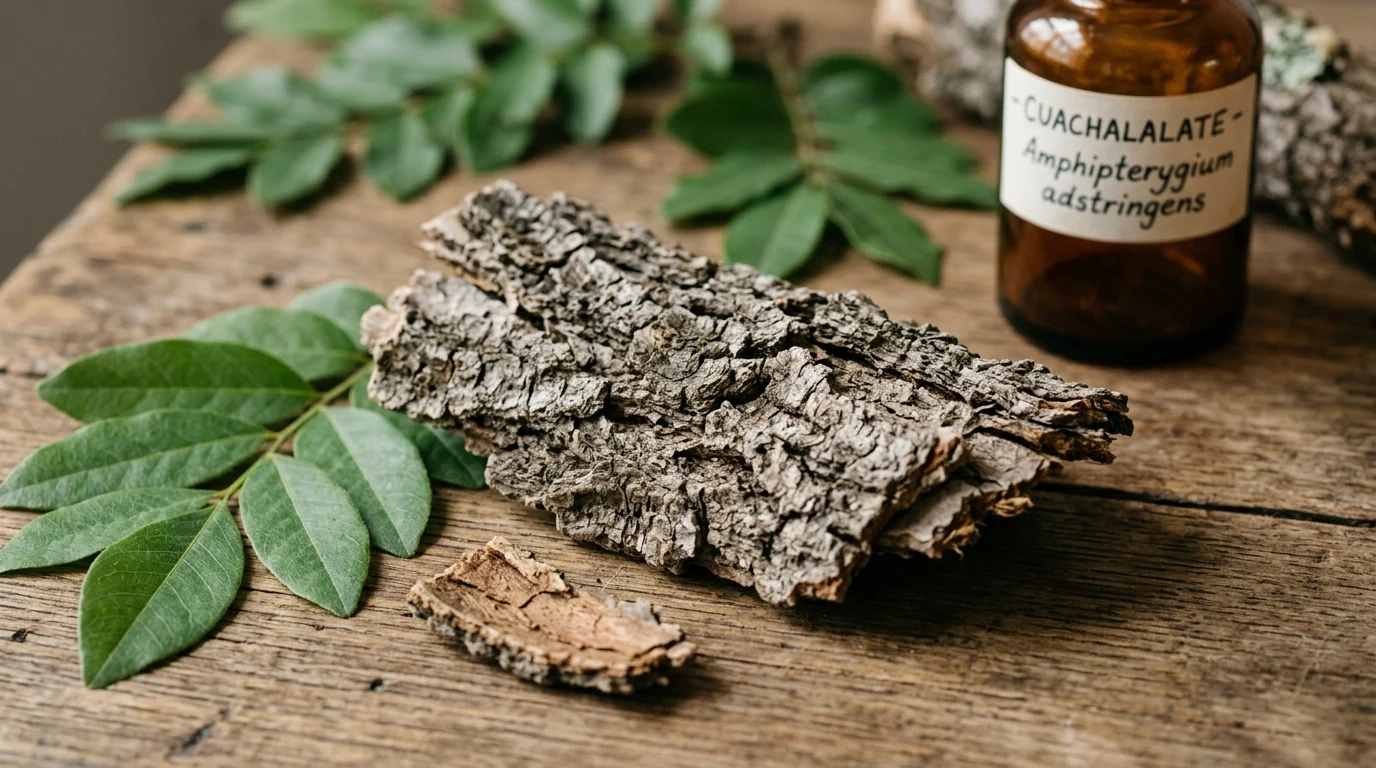

Botanical Verdict: A cornerstone of Mexican ethnobotany, Cuachalalate is a potent astringent. Its high tannin content effectively supports gastric mucosa repair, soothing gastritis and accelerating ulcer healing. For optimal results, prioritize organic, sustainably sourced extracts to ensure therapeutic purity and safety in gastrointestinal restoration.
Primary Therapeutic Niche: Salud gastrointestinal, cicatrización de úlceras y alivio de gastritis
What Is Cuachalalate? Active Compounds & Traditional Gastric Benefits
Native to the subtropical forests of Mexico, Cuachalalate (Amphipterygium adstringens) is more than a botanical curiosity; it is a cornerstone of traditional Mesoamerican medicine for mucosal repair. Unlike generic antacids that merely mask symptoms, this woody shrub acts directly on the integrity of the gastrointestinal lining.
The plant's therapeutic potency lies in its rich concentration of tannins and flavonoids. These active compounds function as natural astringents, creating a protective layer over inflamed tissues. This biological mechanism is essential for those battling the erosive nature of gastritis or the slow healing process of gastric ulcers.
Its primary benefits include:
- Mucosal Regeneration: Accelerates the cicatrization of ulcers by stimulating tissue repair.
- Anti-inflammatory Action: Reduces the burning sensation and swelling in the stomach lining.
- Protective Barrier: Forms a chemical shield that limits the damage caused by gastric acid.
By integrating botanical rigor with ancestral wisdom, Cuachalalate offers a sophisticated approach to digestive wellness, shifting the focus from temporary relief to genuine structural recovery of the gut.
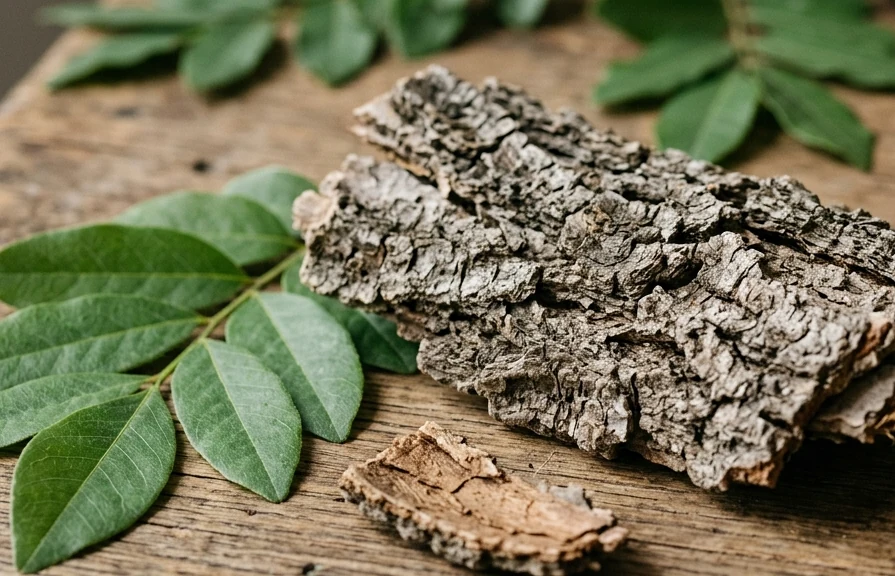
Traditional Cuachalalate Decoction: Exact Dose, Preparation & Daily Use
To harness the astringent and anti-inflammatory properties of Amphipterygium adstringens, a simple infusion is insufficient. Because the active compounds are locked within the woody bark, a decoction—a sustained simmering process—is required to extract the tannins and flavonoids essential for mucosal repair in the gastrointestinal tract.
The Precise Preparation:
- Dosage: Use 10 to 15 grams of dried Cuachalalate bark per 500ml of filtered water.
- Method: Place the bark and water in a stainless steel or glass pot. Bring to a boil, then reduce heat and simmer gently for 10 to 15 minutes.
- Finishing: Remove from heat and let it steep for another 5 minutes before straining.
Daily Use Protocol:
For the management of gastritis or the healing of gastric ulcers, consume one small cup (approx. 100-150ml) three times a day. For optimal efficacy, drink it warm and 30 minutes before meals. This timing allows the botanical compounds to coat the gastric lining, creating a protective barrier that facilitates cellular regeneration and reduces inflammatory distress.
Amazon Product Review: Purity, Quality & Safety Considerations
When sourcing Cuachalalate (Amphipterygium adstringens) on Amazon, the primary challenge lies in distinguishing authentic botanical extracts from diluted fillers. This Mexican rainforest powerhouse is prized for its high concentration of tannins, which create a protective layer over the gastric mucosa, accelerating the healing of ulcers and soothing chronic gastritis. However, not all supplements are created equal.
To ensure you are investing in a therapeutic-grade product rather than a mere powder, prioritize the following criteria:
- Botanical Verification: Ensure the label explicitly lists Amphipterygium adstringens. Avoid generic "forest blends" that obscure the actual dosage.
- Extraction Method: Look for standardized extracts. The efficacy of Cuachalalate depends on the preservation of its astringent compounds, which can be lost in poor processing.
- Purity Standards: Verify the absence of synthetic binders or artificial preservatives that could irritate a sensitive stomach lining.
Safety Note: While potent for gastrointestinal repair, Cuachalalate is a powerful astringent. It is essential to consult a healthcare provider if you are pregnant, nursing, or taking medication for blood pressure, as botanical compounds can interact with systemic treatments.
Recommended Herbalism Books for Further Study
Learn to formulate preparations, dose safely, and combine medicinal plants with these reference works reviewed by Edson Álvarez:
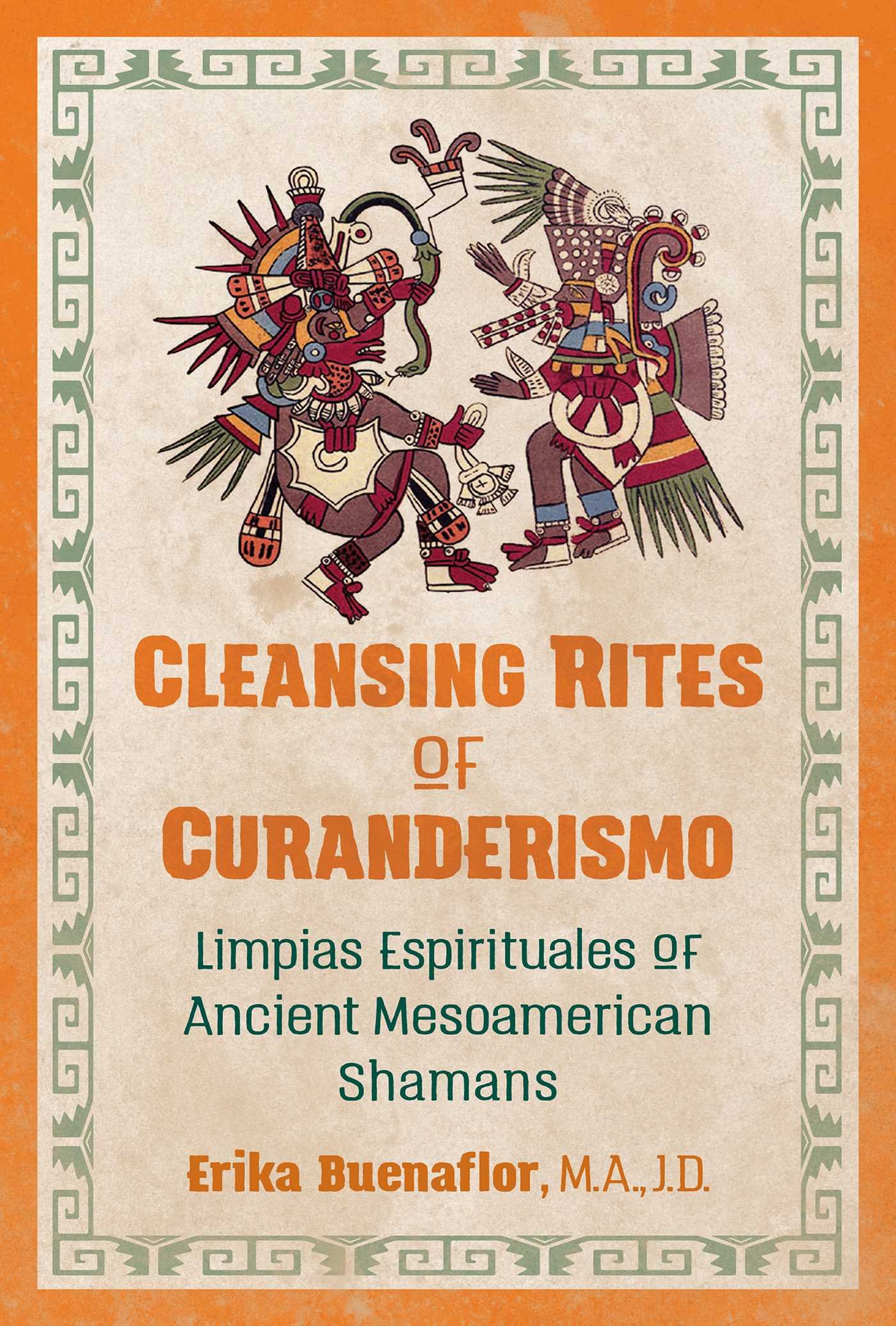
Cleansing Rites of Curanderismo
- ✓ Instrucciones paso a paso y enfoque práctico
- ✓ Sólida base histórica y raíces indígenas (Maya y Azteca)
- ✓ Variedad de rituales detallados (fuego, agua, barrido)
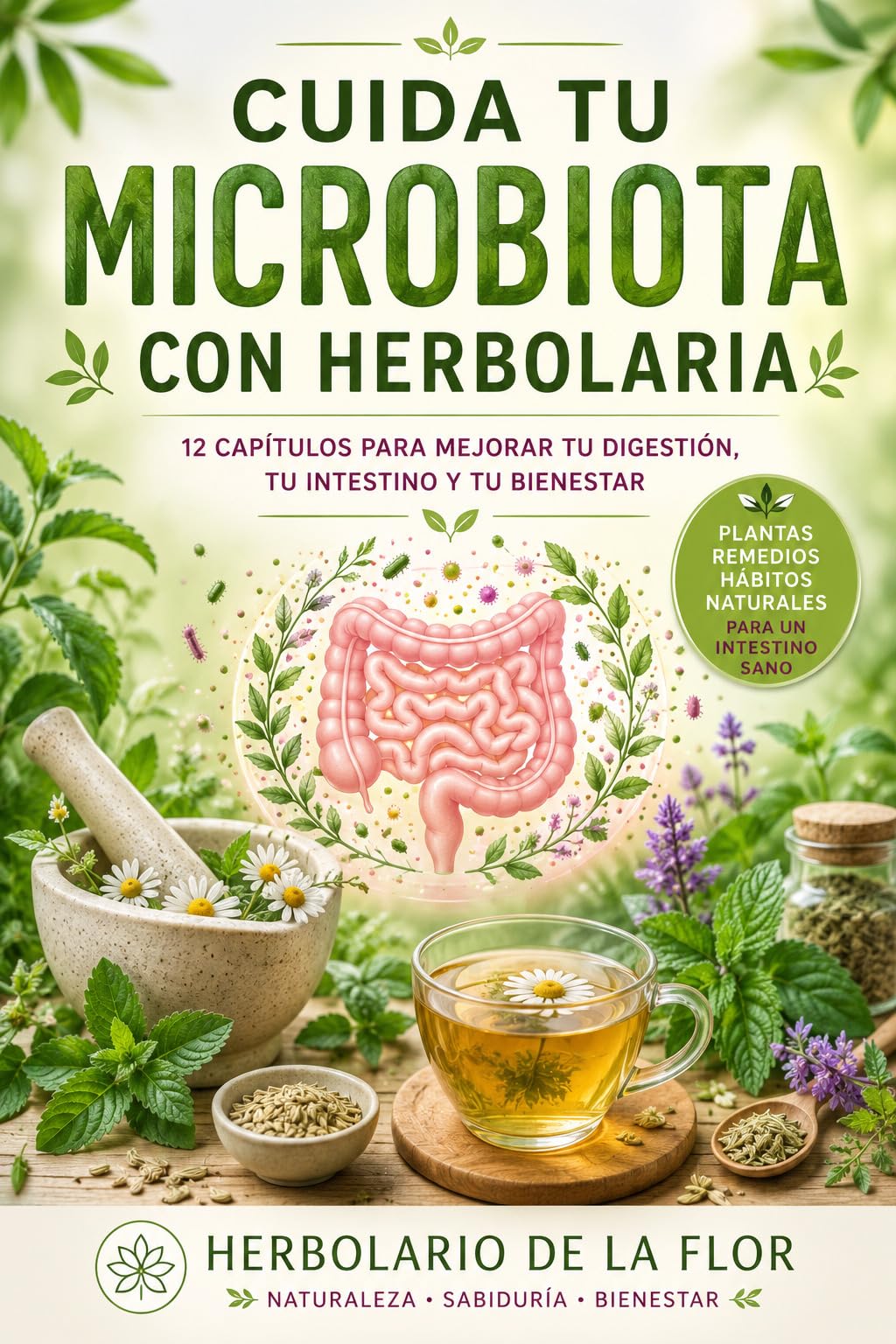
Cuida tu Microbiota con Herbolaria — Libro 1
- ✓ Enfoque educativo sobre la microbiota antes de pasar a los remedios
- ✓ Promoción de un uso responsable y prudente de las plantas (no soluciones rápidas)
- ✓ Inclusión de precauciones y contraindicaciones
![El Arte de Curar con Hierbas [The Art of Herbal Healing]](https://m.media-amazon.com/images/I/816Ynh7JxHL.jpg)
El Arte de Curar con Hierbas [The Art of Herbal Healing]
- ✓ Enfoque en tratar la causa raíz y no solo los síntomas
- ✓ Guía práctica para crear un botiquín natural casero
- ✓ Amplio catálogo de remedios (71 dolencias y 40 hierbas)
¿Dónde comprar Cuachalalate de calidad garantizada?
Explore top-rated available selections of Cuachalalate with certified purity, customer reviews, and fast shipping on Amazon:
View Available Options for Cuachalalate on Amazon ↗Frequently Asked Questions about Mexican Herbalism Books
How do I prepare Cuachalalate bark for gastritis?
Simmer 1 tablespoon (about 5 g) of Cuachalalate bark in 1 liter of water for 10–15 minutes. Strain and drink 1 cup, 2–3 times daily before meals. Use for short cycles (2–4 weeks) and consult a healthcare professional if symptoms persist.
Is Cuachalalate safe for daily use?
Cuachalalate is generally regarded as safe for short-term traditional use, but it is not recommended during pregnancy, breastfeeding, or for children without medical supervision. People with chronic conditions or taking medications should consult a qualified healthcare provider before use.