Reseña: “Plantas medicinales de Chiapas
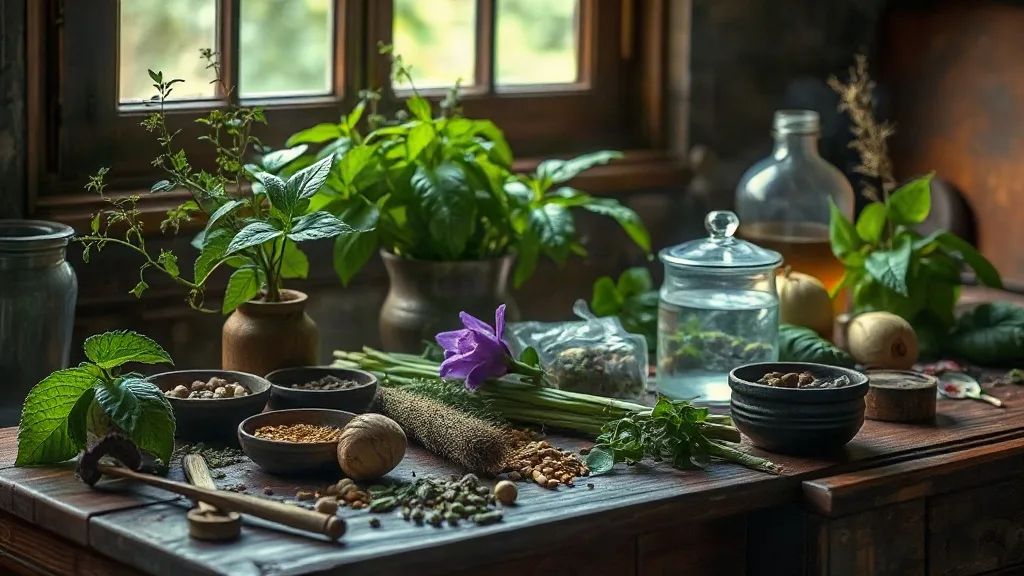

Key Summary: A fascinating bridge between ancestral wisdom and botany. While it celebrates Chiapas' rich ethnobotanical heritage, readers should balance traditional use with scientific validation. It is an essential, evocative guide for nature lovers, provided it is used as a complementary resource rather than a primary medical prescription.
What Are the Medicinal Plants of Chiapas and What Are They Used For?
The state of Chiapas is a sanctuary of biodiversity where ancestral knowledge and botanical richness converge. Its ethnobotanical heritage is a living tapestry, woven from the wisdom of indigenous Maya and Zoque communities who have documented the therapeutic potential of the rainforest for millennia. This traditional pharmacopeia is not merely a collection of remedies, but a sophisticated system of holistic health integrated into the cultural fabric of the region.
Literature on the medicinal flora of Chiapas highlights a diverse array of species used to treat systemic ailments. Among the most documented therapeutic uses are:
- Anti-inflammatory and Analgesic: Use of various Piperaceae and Asteraceae species to alleviate joint pain and muscle inflammation.
- Digestive Health: Application of aromatic herbs and barks to treat gastrointestinal disorders and parasitic infections.
- Respiratory Support: Utilization of endemic resins and leaves to combat coughs, bronchitis, and seasonal flu.
- Psychosomatic Balance: The use of "ritual plants" to treat emotional distress and spiritual imbalances.
By bridging the gap between empirical tradition and scientific validation, Chiapas continues to offer invaluable insights into natural medicine and sustainable pharmacology.
Key Plants, Remedies, and Safe Usage Guidelines
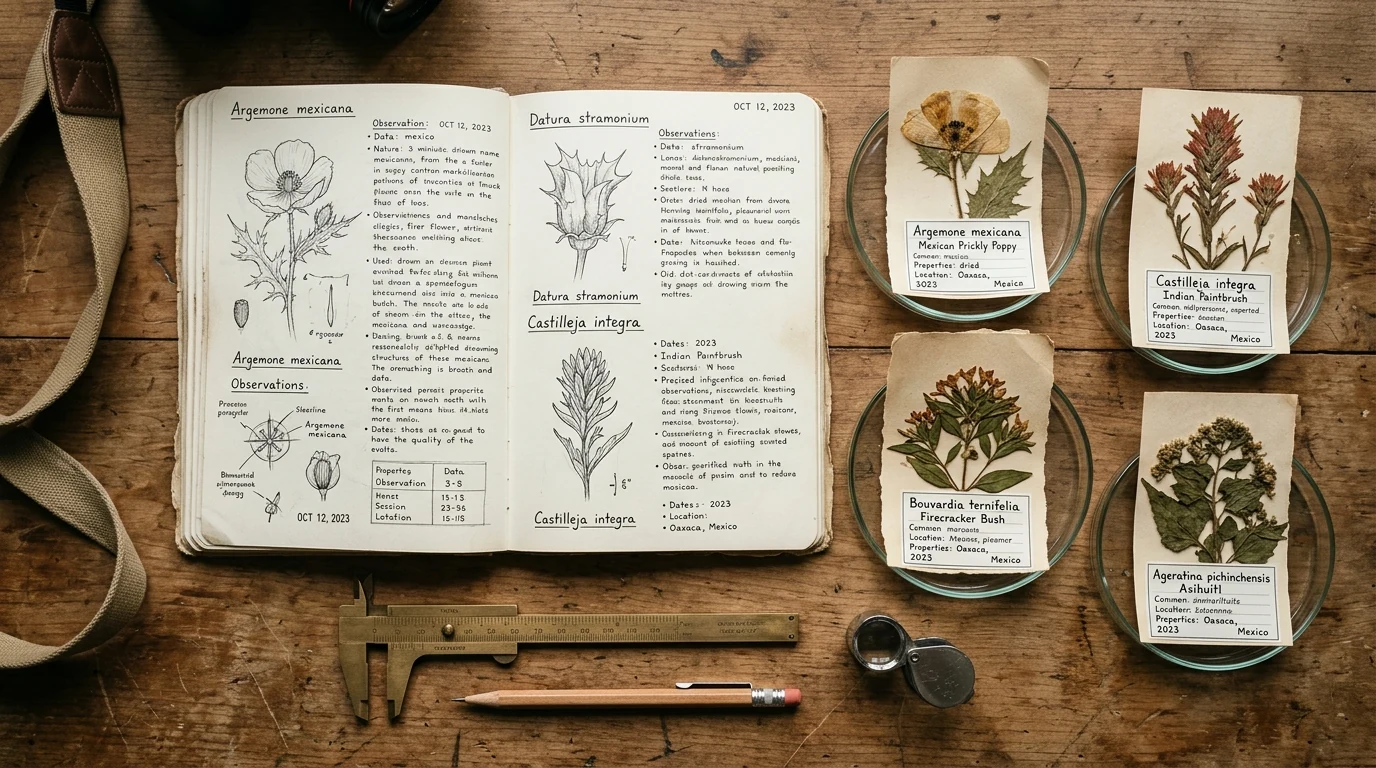
The botanical richness of Chiapas is meticulously documented in this review, offering a bridge between ancestral wisdom and pharmacological rigor. To utilize these resources safely, one must prioritize precise botanical identification and a disciplined approach to preparation.
- Guaco (Mikania glomerata): Identified by its climbing habit and heart-shaped leaves. Its active coumarins make it a potent antitussive. Preparation: A decoction of leaves; Dosage: 10-20ml every eight hours for respiratory relief.
- Chaya (Cnidoscolus aconitifolius): Known as the "Maya spinach," rich in proteins and vitamins. Preparation: Must be boiled to neutralize hydrocyanic glucosides; Dosage: Integrated into daily meals as a nutritional supplement.
- Achiote (Bixa orellana): Recognized by its spiny pods and red seeds. Rich in carotenoids. Preparation: Infusions or topical pastes; Dosage: Moderate internal use to regulate glucose levels.
Safety Warning: Always verify the plant's identity with a certified botanist. Dosage should be adjusted based on individual health profiles, and professional medical consultation is mandatory before combining herbal remedies with synthetic pharmaceuticals to avoid adverse interactions.
Best Books, PDFs, and Reliable Resources on Chiapas Medicinal Plants
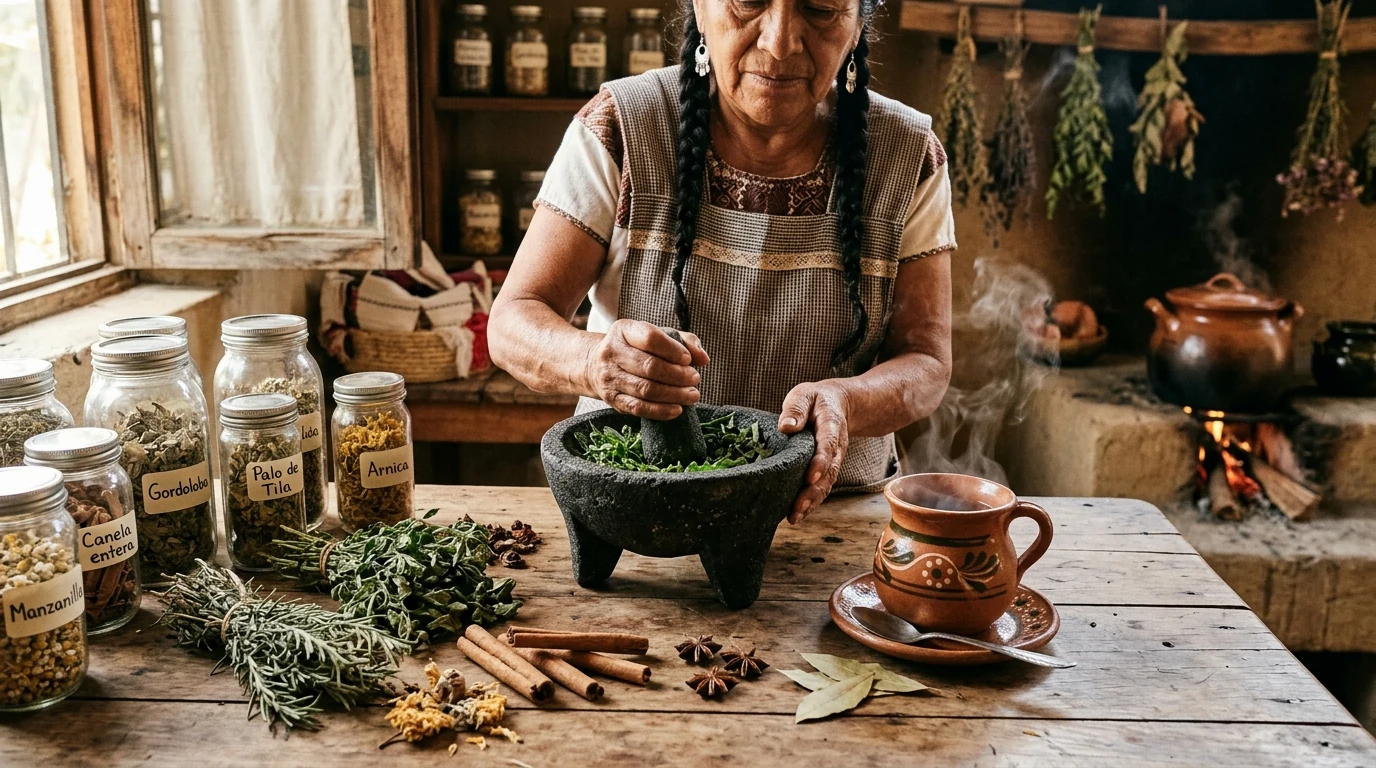
For those seeking to deepen their understanding of the botanical wealth of southeastern Mexico, navigating the available literature requires a balance between traditional wisdom and scientific rigor. The definitive starting point is the specialized review “Plantas medicinales de Chiapas,” which serves as a critical bridge between ancestral Mayan-Tzotzil knowledge and modern pharmacological validation.
Depending on your goals, there are three primary ways to access this knowledge:
- Physical Editions: Ideal for practitioners and botanists, printed guides offer high-resolution imagery essential for accurate plant identification in the field.
- Digital PDFs & Academic Repositories: For researchers, downloadable papers from institutions like UNAM or CONABIO provide peer-reviewed data on chemical compounds and toxicity.
- Ethnobotanical Journals: These offer the most current updates on how climate change is affecting the availability of endemic species in the Chiapas highlands.
"The true value of these resources lies not just in the cataloging of species, but in the preservation of the cultural heritage that defines the healing traditions of Chiapas."
Whether you prefer a comprehensive hardcover or a portable PDF, prioritizing sources that credit indigenous communities ensures a holistic and ethical learning experience.
¿Deseas profundizar en Reseña: “Plantas medicinales de Chiapas?
Consulta la selección de libros oficiales, manuales de botica y hierbas auténticas disponibles en Amazon con envío prioritario:
Check Prices and Deals on Amazon ↗Frequently Asked Questions about Mexican Herbalism Books
What is the main focus of the book “Plantas medicinales de Chiapas”?
It documents the botanical identification, traditional uses, active principles, and safe dosing of medicinal plants from Chiapas, combining ethnobotanical knowledge with modern phytotherapy.
Where can I find a PDF of “Plantas medicinales de Chiapas”?
PDFs may be available through university repositories, official Chiapas cultural portals, or authorized booksellers; always use legal, reputable sources to ensure accurate and complete information.