Reseña: “Herbolaria y salud en México
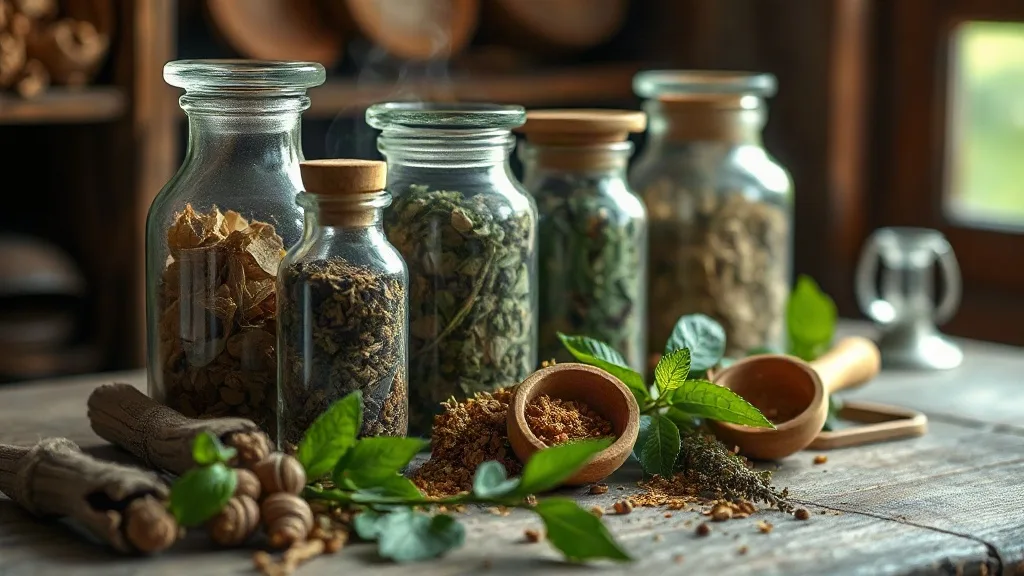

Key Summary: This essential work masterfully bridges traditional Mexican botanical knowledge with scientific rigor. It offers an accessible yet profound exploration of herbal medicine, making it a vital resource for anyone seeking a balanced, evidence-based understanding of Mexico's rich healing heritage and its contemporary health applications.
What Is Herbolaria y Salud en México and Who Is It For?
Herbolaria y Salud en México is more than a botanical guide; it is a comprehensive bridge between ancestral wisdom and contemporary science. In a landscape where traditional remedies are often passed down through oral tradition—sometimes lacking standardization—this work emerges as a critical resource. It addresses the urgent need for reliable, documented information that validates the efficacy of Mexican traditional herbalism through a rigorous academic lens.
The book meticulously connects ethnobotanical knowledge—the cultural relationship between people and plants—with modern phytotherapy. By analyzing active compounds and therapeutic applications, it transforms folk intuition into evidence-based practice.
This essential volume is designed for:
- Healthcare Professionals: Seeking to integrate complementary therapies with clinical precision.
- Researchers and Botanists: Interested in the biodiversity and pharmacological potential of Mexican flora.
- Conscious Consumers: Who wish to reclaim their cultural heritage while ensuring the safety and correct dosage of natural treatments.
It is an indispensable roadmap for anyone looking to understand how Mexico's rich botanical legacy can contribute to holistic health in the 21st century.
Key Plants, Dosage Principles, and Safe Use Steps
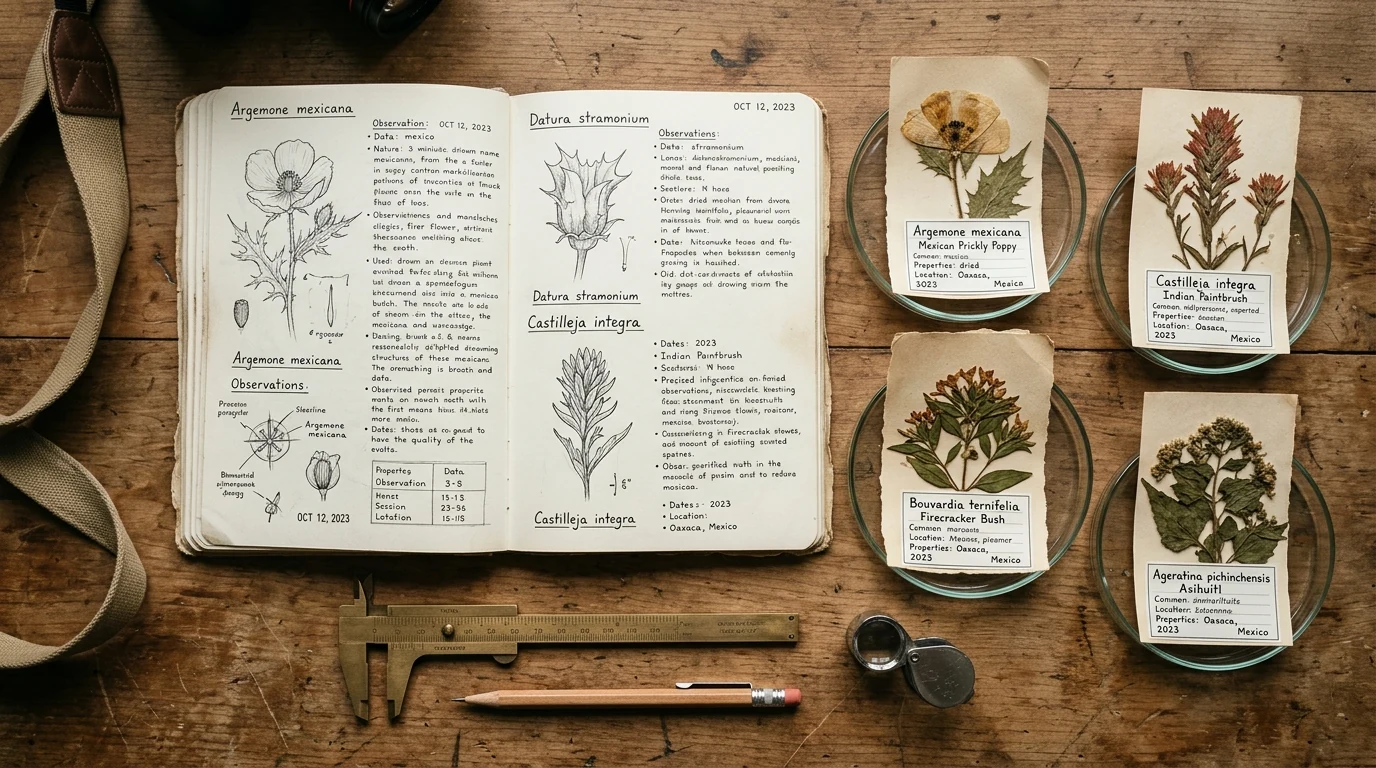
The core of Mexican herbalism lies in the synergy between ancestral wisdom and botanical precision. This guide highlights essential species such as Damiana (for vitality), Árnica (for topical inflammation), and Epazote (for digestive health). Identification is the first pillar of safety; users must rely on verified botanical names and morphological characteristics to avoid toxic look-alikes.
When transitioning from identification to application, dosage principles are governed by the plant's potency and the intended delivery method. General guidelines include:
- Infusions and Decoctions: Precise water-to-herb ratios to ensure active compound extraction without degradation.
- Tinctures: Controlled alcoholic concentrations for long-term stability and concentrated dosing.
- Topical Poultices: Direct application for localized relief, prioritizing skin sensitivity tests.
Safety First: Before any therapeutic use, it is imperative to conduct a safety check. This includes screening for drug-herb interactions, verifying pregnancy or lactation contraindications, and consulting a healthcare provider to ensure the treatment aligns with the patient's clinical history.
By integrating these rigorous steps, the practice of herbolaria evolves from simple tradition into a safe, structured therapeutic tool.
How This Book Compares to Other Mexican Herbalism Resources
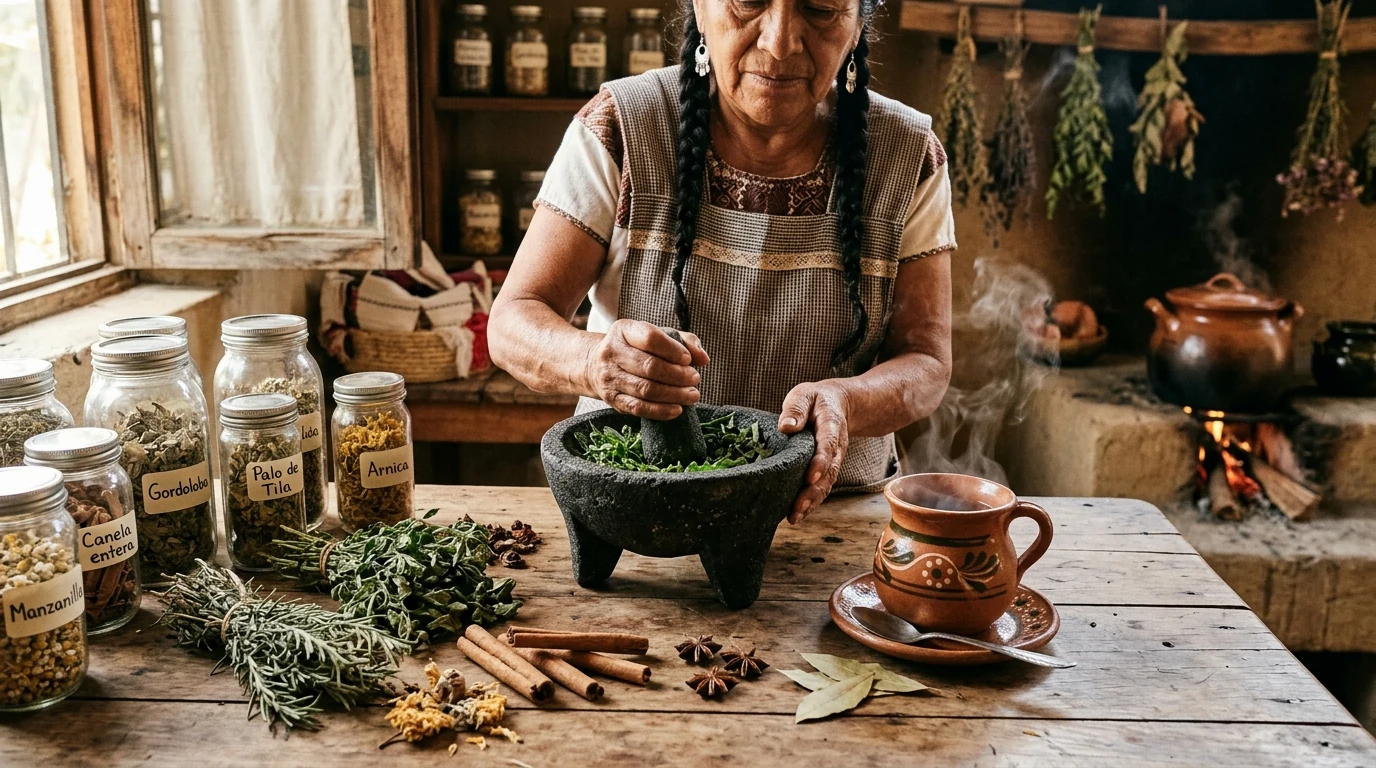
While many resources on Mexican botany focus on isolated data, Herbolaria y salud en México distinguishes itself by bridging the gap between ancestral wisdom and scientific validation. Unlike standard field guides, which prioritize plant identification and morphology, this work delves into the therapeutic application and the cultural context of healing.
When compared to clinical phytotherapy texts, which often strip plants of their traditional narratives to focus solely on chemical constituents, this book maintains a holistic perspective. It doesn't replace the rigorous data found in trusted digital databases—which are essential for dosage and toxicity checks—but it provides the necessary "human element" and practical synthesis that raw data lacks.
For those seeking a comprehensive mastery of the craft, we recommend using this book as a primary conceptual pillar while integrating the following complementary resources:
- Botanical Atlases: For precise visual identification in the wild.
- Pharmacopoeias: To cross-reference active compounds and contraindications.
- Ethnographic Journals: To explore the regional variations of herbal practices across Mexico's diverse states.
Ultimately, this book serves as the ideal connective tissue between the laboratory and the traditional apothecary.
¿Deseas profundizar en Reseña: “Herbolaria y salud en México?
Consulta la selección de libros oficiales, manuales de botica y hierbas auténticas disponibles en Amazon con envío prioritario:
Check Prices and Deals on Amazon ↗Frequently Asked Questions about Mexican Herbalism Books
What does Herbolaria y Salud en México cover?
It surveys traditional Mexican medicinal plants, their botanical identification, active compounds, and safe therapeutic applications, bridging centuries of ethnobotanical knowledge with modern phytotherapy.
Is this book suitable for self-medicating with Mexican herbs?
It is an educational resource, but readers should consult a qualified health professional before using any herbal remedy, especially to confirm correct dosage, contraindications, and possible drug interactions.