Reseña: “Diccionario de plantas medicinales mexicanas
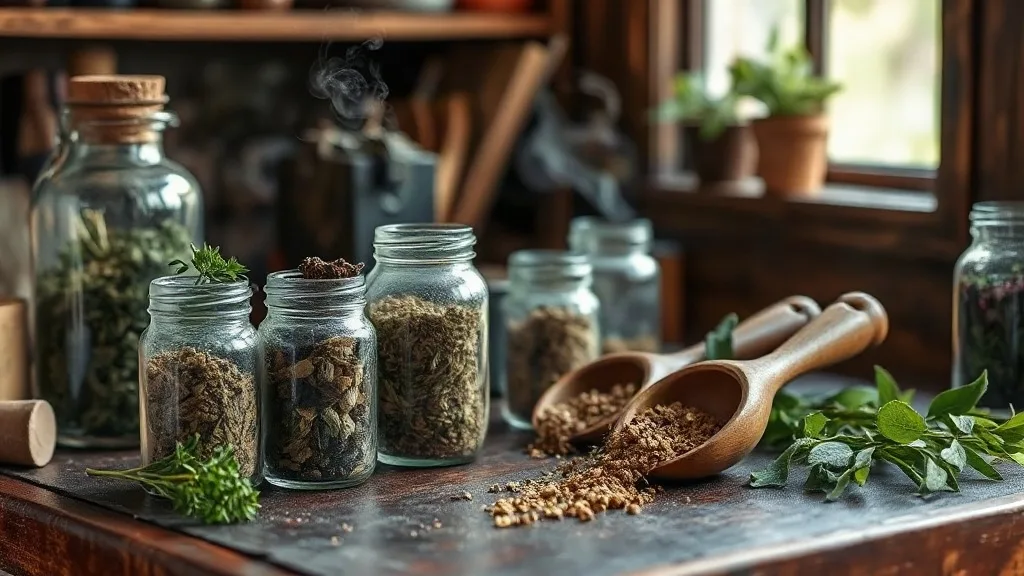

Key Summary: An indispensable compendium for herbalists and scholars alike. This dictionary masterfully bridges ancestral Mexican wisdom with botanical precision, offering a rigorous yet accessible guide to ethnobotany. It is a vital, authoritative resource for anyone seeking to preserve and practice traditional healing with scientific clarity.
What the Dictionary Covers and Who It Is For
For many researchers, herbalists, and curious minds, the primary challenge in studying Mexican flora is the fragmentation of knowledge. Traditional wisdom is often passed down orally or scattered across unreliable sources, leaving a dangerous gap between ancestral practice and botanical certainty. Without a structured reference, identifying the correct species and understanding precise dosages can be a daunting—and potentially risky—endeavor.
The Diccionario de plantas medicinales mexicanas bridges this gap by transforming anecdotal evidence into a rigorous, accessible compendium. This book is meticulously designed for anyone seeking a definitive guide to Mexico's pharmacological heritage, offering:
- Precise Botanical Identification: Clear classifications to ensure the correct plant is identified, eliminating guesswork.
- Traditional Applications: A comprehensive look at how these plants have been used historically to treat specific ailments.
- Essential Safety Context: Critical information on contraindications and toxicity to ensure safe usage.
Whether you are a healthcare professional integrating complementary medicine or a nature enthusiast documenting biodiversity, this dictionary provides the structural clarity needed to navigate the rich, complex landscape of Mexican medicinal plants with confidence and precision.
Key Strengths, Weaknesses, and How to Use It Safely
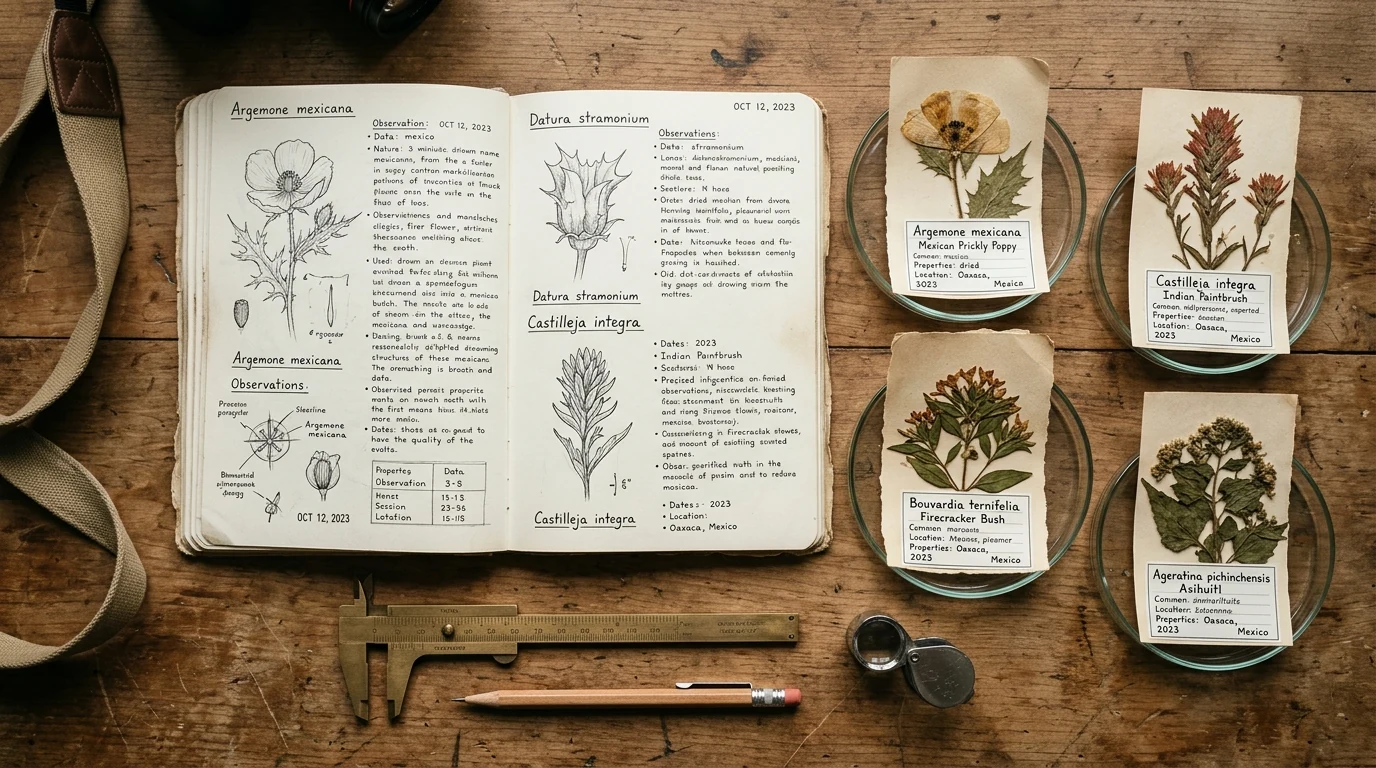
The Diccionario de plantas medicinales mexicanas excels as a comprehensive taxonomic bridge, blending ancestral wisdom with botanical precision. Its primary strength lies in its detailed entries on endemic species, providing clear insights into active compounds—such as alkaloids and flavonoids—that justify their therapeutic use. However, the work occasionally lacks rigorous clinical trial data for certain traditional applications, leaving some gaps in standardized pharmacological evidence.
To utilize this resource effectively and safely, readers should adhere to the following guidelines:
- Dosage Precision: Always cross-reference the book’s dosage suggestions with a healthcare provider, as concentrations vary by plant maturity and soil quality.
- Compound Awareness: Pay close attention to the "active compounds" sections to avoid dangerous interactions with synthetic pharmaceuticals.
- Responsible Sourcing: Ensure plants are harvested sustainably to protect Mexico's biodiversity.
Editorial Note: Herbal medicine is a powerful complement to health, not a replacement for professional medical diagnosis. Always prioritize evidence-informed use to mitigate risks of toxicity or contraindications.
How It Compares to Other Mexican Herbal References
When navigating the vast landscape of Mexican ethnobotany, choosing the right reference depends entirely on your objective. While academic ethnobotanical manuals focus on rigorous taxonomic classification and field guides prioritize visual identification in the wild, this dictionary serves as a pragmatic bridge between traditional wisdom and accessible application.
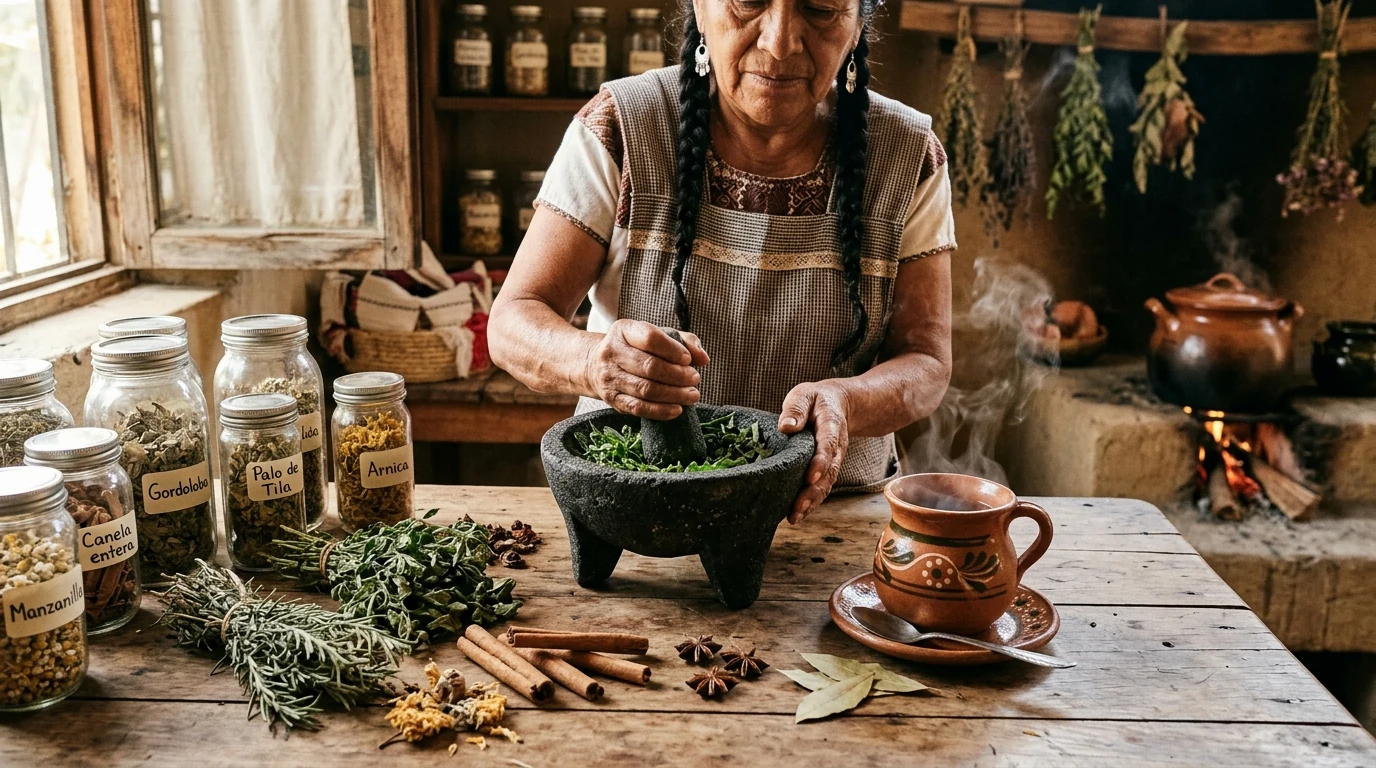
Compared to modern phytotherapy resources, which often lean toward standardized extracts and clinical pharmacology, this work preserves the cultural nuance of "curanderismo" without sacrificing clarity. It is less of a technical textbook and more of a functional toolkit for those seeking a synthesis of heritage and health.
- Field Guides: Better for botanical identification, but lack the deep medicinal context provided here.
- Ethnobotanical Manuals: Offer exhaustive academic data but can be prohibitively dense for the general practitioner.
- Phytotherapy Texts: Focus on isolated compounds, whereas this dictionary emphasizes the holistic use of the whole plant.
Ultimately, if you require a resource that balances historical authenticity with ease of use, this dictionary stands out as the most versatile companion for students, herbalists, and cultural enthusiasts alike.
¿Deseas profundizar en Reseña: “Diccionario de plantas medicinales mexicanas?
Consulta la selección de libros oficiales, manuales de botica y hierbas auténticas disponibles en Amazon con envío prioritario:
Check Prices and Deals on Amazon ↗Frequently Asked Questions about Mexican Herbalism Books
What is the Diccionario de Plantas Medicinales Mexicanas and why is it useful?
It is a specialized reference that documents Mexican medicinal plants, their botanical identification, active compounds, and traditional or folk uses, helping readers explore herbal remedies with greater safety and context.
Is this dictionary suitable for beginners or only for experts?
It serves both audiences: beginners gain a structured overview of Mexican herbalism and essential safety notes, while practitioners and researchers benefit from detailed botanical and ethnobotanical data.