Mejores libros de herbolaria mexicana publicados en los últimos 5 años
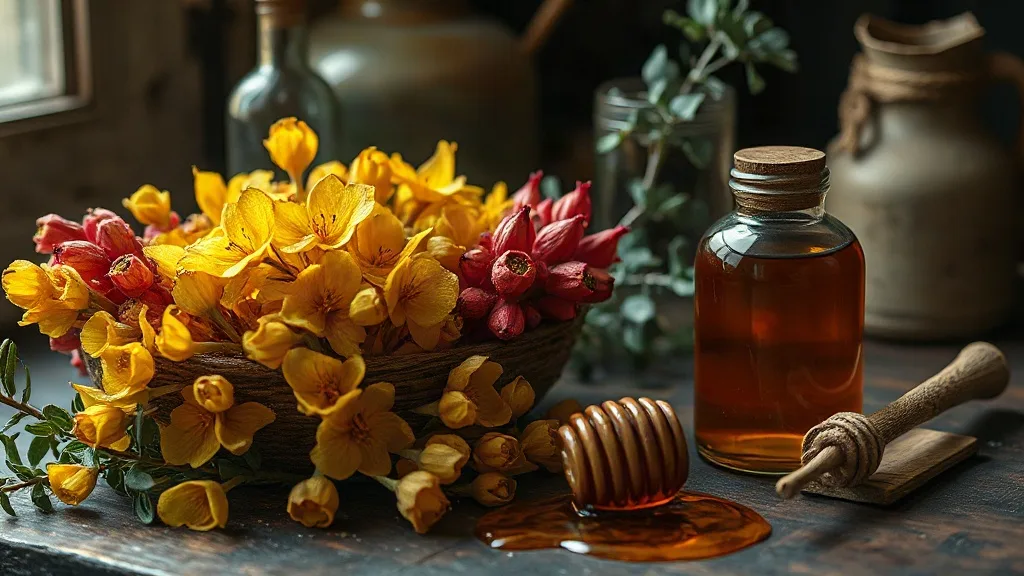

Key Summary: For current, evidence-based Mexican herbalism, prioritize recent titles from UNAM or CONABIO. Look for works blending ancestral wisdom with pharmacological rigor. While niche, recent botanical guides focusing on endemic species offer the best balance of cultural heritage and scientific safety for modern practitioners.
Why the Last Five Years Matter for Mexican Herbalism Readers
The landscape of Mexican herbalism has undergone a profound transformation over the last half-decade. While ancestral wisdom has always existed, recent publications have bridged the gap between oral tradition and rigorous scientific validation. For the modern reader, this evolution means that the latest titles are no longer just anecdotal guides, but comprehensive manuals that prioritize both efficacy and user safety.
Today’s essential literature distinguishes itself by integrating three critical pillars:
- Precision Identification: High-resolution photography and detailed botanical descriptions that prevent dangerous misidentification of species.
- Standardized Dosage: A shift toward clear, measurable guidance that moves away from vague "pinch" measurements to ensure consistent therapeutic results.
- Safety Frameworks: Comprehensive sections on contraindications and drug interactions, aligning traditional use with contemporary pharmacological standards.
By synthesizing ethnobotanical heritage with modern botanical rigor, these recent works empower readers to explore Mexico's rich biodiversity with confidence. They transform the act of foraging and healing from a leap of faith into a disciplined practice, ensuring that the legacy of Mexican plants is preserved through a lens of safety and scientific clarity.
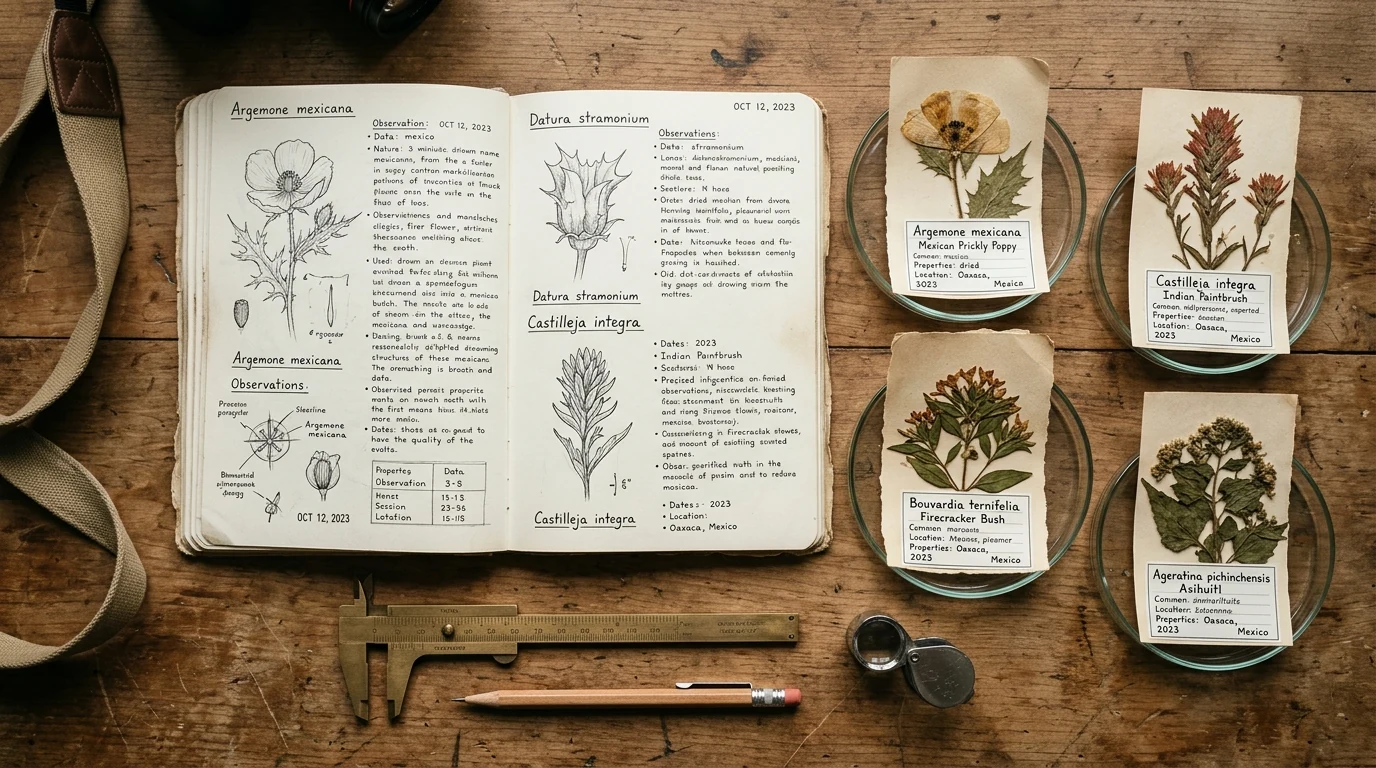
Top Recent Books on Mexican Herbalism and What Each Covers
The last five years have seen a resurgence in documenting Mexico's ancestral botanical wisdom, blending traditional ethnobotany with modern pharmacological rigor. Today's leading titles move beyond simple lists, offering structured guides on sustainable harvesting and precise therapeutic application.
- "Mexican Herbalism: A Guide to Traditional Remedies" – This comprehensive volume focuses on the synergy between native flora and holistic health. It provides a step-by-step framework for identifying key plants like Damiana and Epazote, guiding the reader from the initial tincture preparation to the specific dosage for digestive and nervous system support.
- "The Flora of Mexico: Therapeutic Applications" – A more technical approach that bridges the gap between indigenous knowledge and clinical use. It highlights the potency of Calendula and Arnica, detailing the precise extraction methods required to preserve active compounds for topical healing and inflammatory control.
- "Ancestral Roots: Healing with Mexican Plants" – This work emphasizes the spiritual and cultural context of herbalism. It outlines a ritualistic yet practical approach to using Cempasúchil and Sage, teaching users how to integrate these botanicals into daily wellness routines for emotional balance.
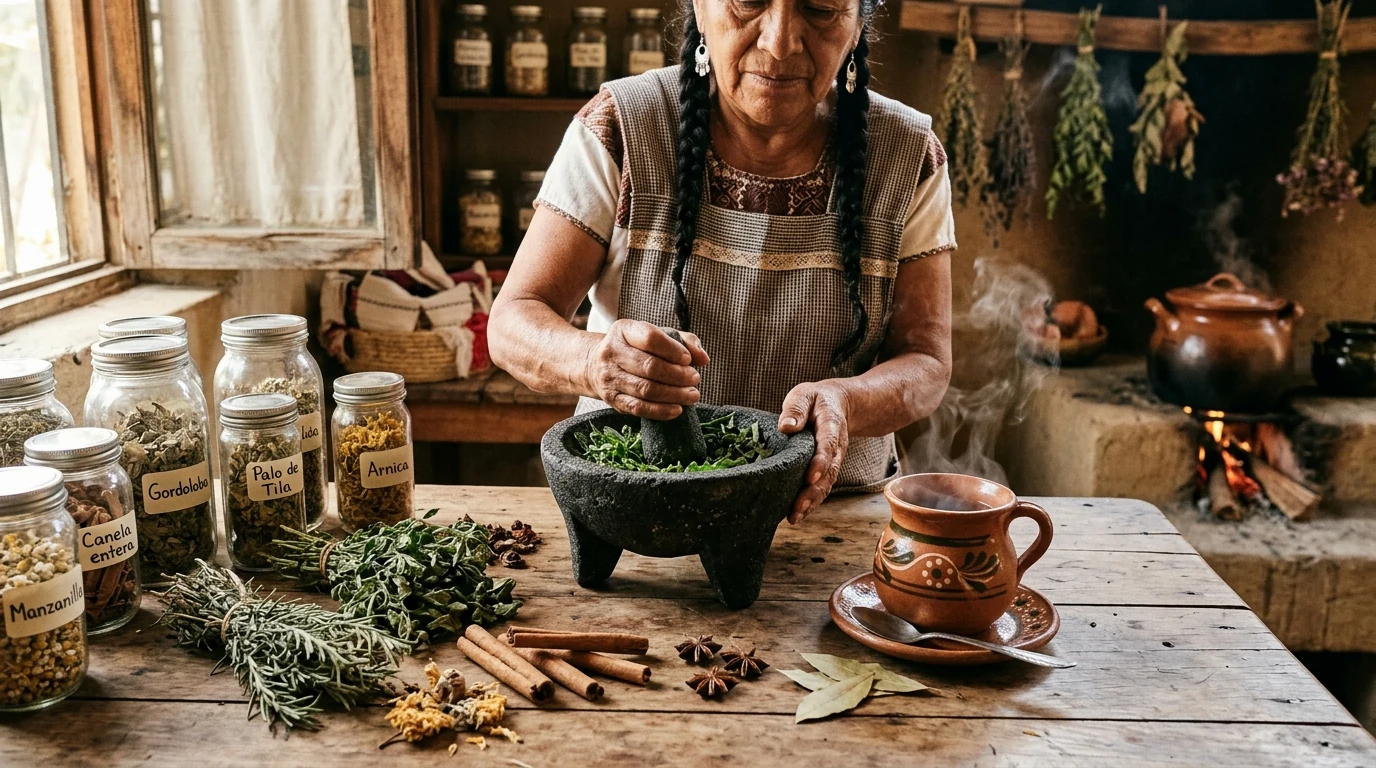
How to Choose the Right Herbal Guide for Your Needs
Selecting the ideal guide to Mexican herbalism requires aligning the book’s methodology with your specific goals. Because the botanical landscape of Mexico is vast and culturally layered, the "best" book depends on whether you seek ancestral wisdom, clinical precision, or horticultural success.
To make an informed choice, evaluate these four critical pillars:
- Expertise Level: Beginners should prioritize guides with clear identification keys, while practitioners need deep dives into pharmacology.
- Regionality: Ensure the text focuses on the specific Mexican biome (e.g., arid highlands vs. tropical coasts) relevant to your location.
- Scientific Rigor: Look for updated binomial nomenclature and evidence-based contraindications to ensure safety.
- Practical Application: Distinguish between theoretical encyclopedias and "how-to" manuals focused on tinctures and infusions.
Quick Recommendations: For beginners, look for visually driven field guides; clinicians should opt for pharmacopeias emphasizing toxicity and dosage; and gardeners will benefit most from guides focusing on endemic species and sustainable cultivation.
¿Deseas profundizar en Mejores libros de herbolaria mexicana publicados en los últimos 5 años?
Consulta la selección de libros oficiales, manuales de botica y hierbas auténticas disponibles en Amazon con envío prioritario:
Check Prices and Deals on Amazon ↗Frequently Asked Questions about Mexican Herbalism Books
What makes a Mexican herbalism book from the last five years worth buying?
Look for up-to-date botanical nomenclature, clear dosage guidance, documented active compounds, safety contraindications, and a respectful integration of traditional and modern phytotherapy.
Are recent books on Mexican herbalism safe to use for self-treatment?
They are excellent reference tools, but self-treatment should be cautious; always cross-check plant identification, dosages, and contraindications with a qualified healthcare professional or trained herbalist.