Mejores libros de herbolaria mexicana por región (norte, centro, sur)
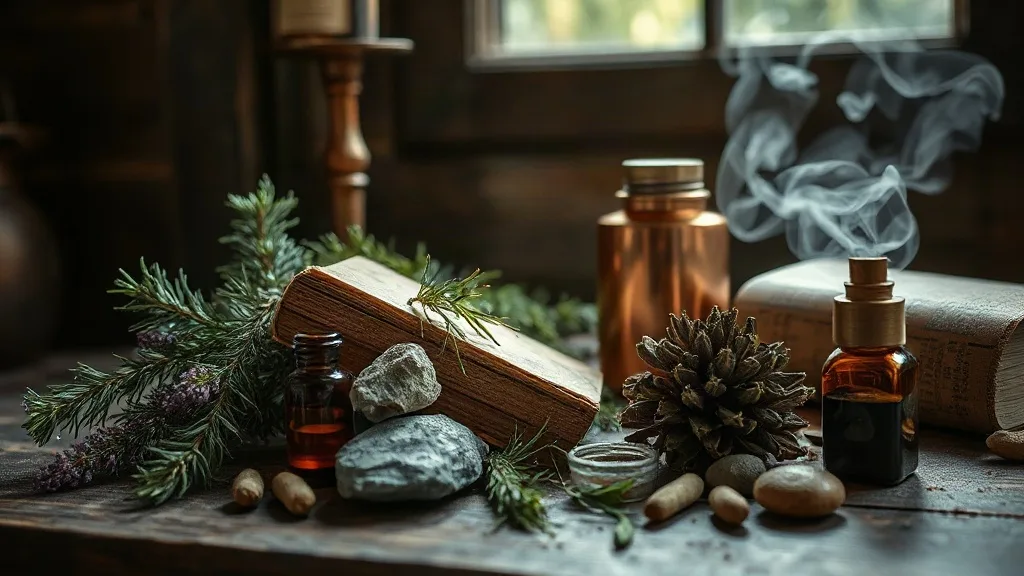
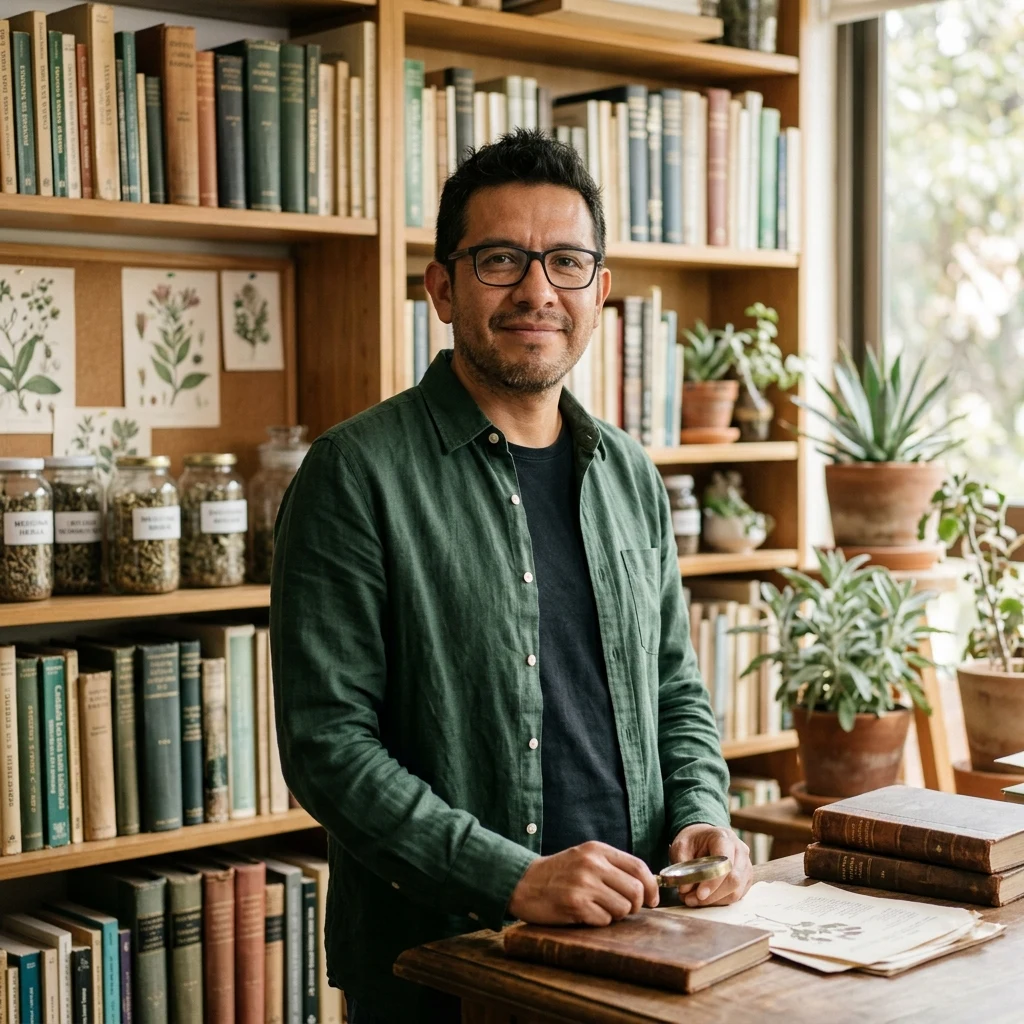
Key Summary: For a rigorous yet accessible guide, prioritize regional ethnobotanical surveys. Focus on arid-zone manuals for the North, central highland pharmacopeias for the Center, and Mayan-influenced botanical guides for the South. These specialized texts ensure authentic, region-specific knowledge of Mexico's diverse medicinal flora and traditional healing practices.
Why Region Matters in Mexican Herbalism
Mexican herbalism is not a monolithic practice; it is a vibrant mosaic shaped by the country's extreme ecological diversity. From the arid deserts of the North to the humid rainforests of the South, the chemical potency and availability of medicinal plants shift dramatically based on altitude, soil composition, and microclimates.
In regions like Oaxaca and Chiapas, the intersection of tropical biodiversity and deep-rooted Mayan and Zapotec traditions has created a sophisticated pharmacopeia centered on jungle resins and highland blooms. Conversely, the central highlands focus on temperate flora, while the North relies on resilient, drought-resistant succulents. This geographic variance means that a plant harvested in one state may have different therapeutic properties—or a completely different traditional use—than the same species found elsewhere.
Generic herbals often overlook these nuances, offering a "one size fits all" approach that ignores the cultural and biological specificity of the land.
To practice safely and effectively, readers require region-specific guides that provide:
- Localized Identification: Avoiding dangerous look-alikes native to specific zones.
- Cultural Context: Understanding the indigenous healing rituals tied to the land.
- Seasonal Accuracy: Precise harvesting windows based on regional weather patterns.
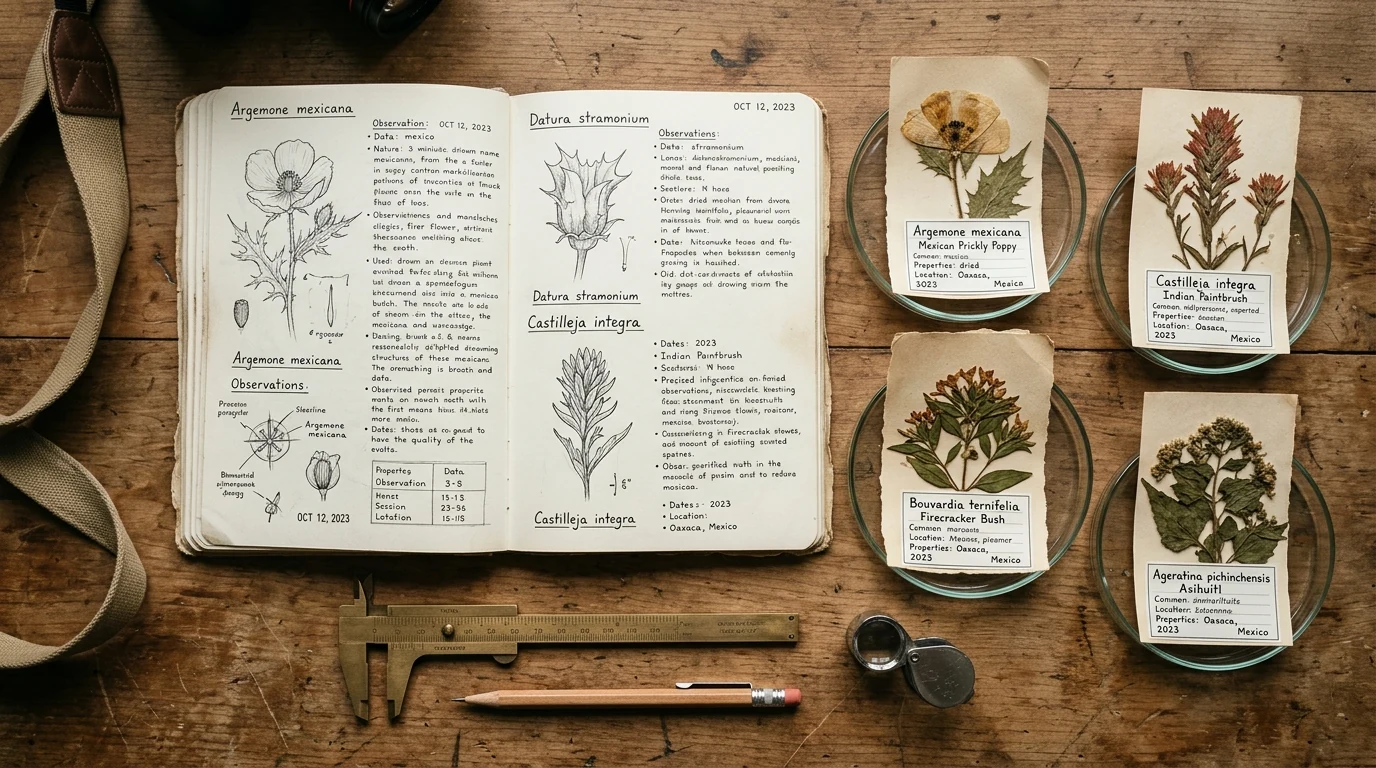
Medicinal Plants of Oaxaca and Their Uses
Oaxaca is a global epicenter of biodiversity, where ancestral Zapotec and Mixtec knowledge converges with a lush botanical landscape. The region's pharmacopeia is vast, blending spiritual healing with empirical science to treat a wide array of ailments.
Among the most revered species are Damiana, used to treat anxiety and hormonal imbalances, and Guayaba leaves, widely employed to manage digestive distress. To apply these traditionally, the process typically follows these steps:
- Harvesting: Collecting fresh leaves or roots during specific lunar phases to maximize potency.
- Preparation: Creating a decoction (boiling hard parts) or an infusion (steeping delicate leaves).
- Administration: Consuming the remedy as a tea or applying it topically as a poultice.
Safety First: Herbal medicine is powerful but requires precision. Correct botanical identification is critical to avoid toxic look-alikes. Always adhere to traditional dosages, as excessive intake can lead to toxicity. Furthermore, consult a professional regarding contraindications, especially if you are pregnant, nursing, or taking synthetic medications to avoid dangerous drug interactions.
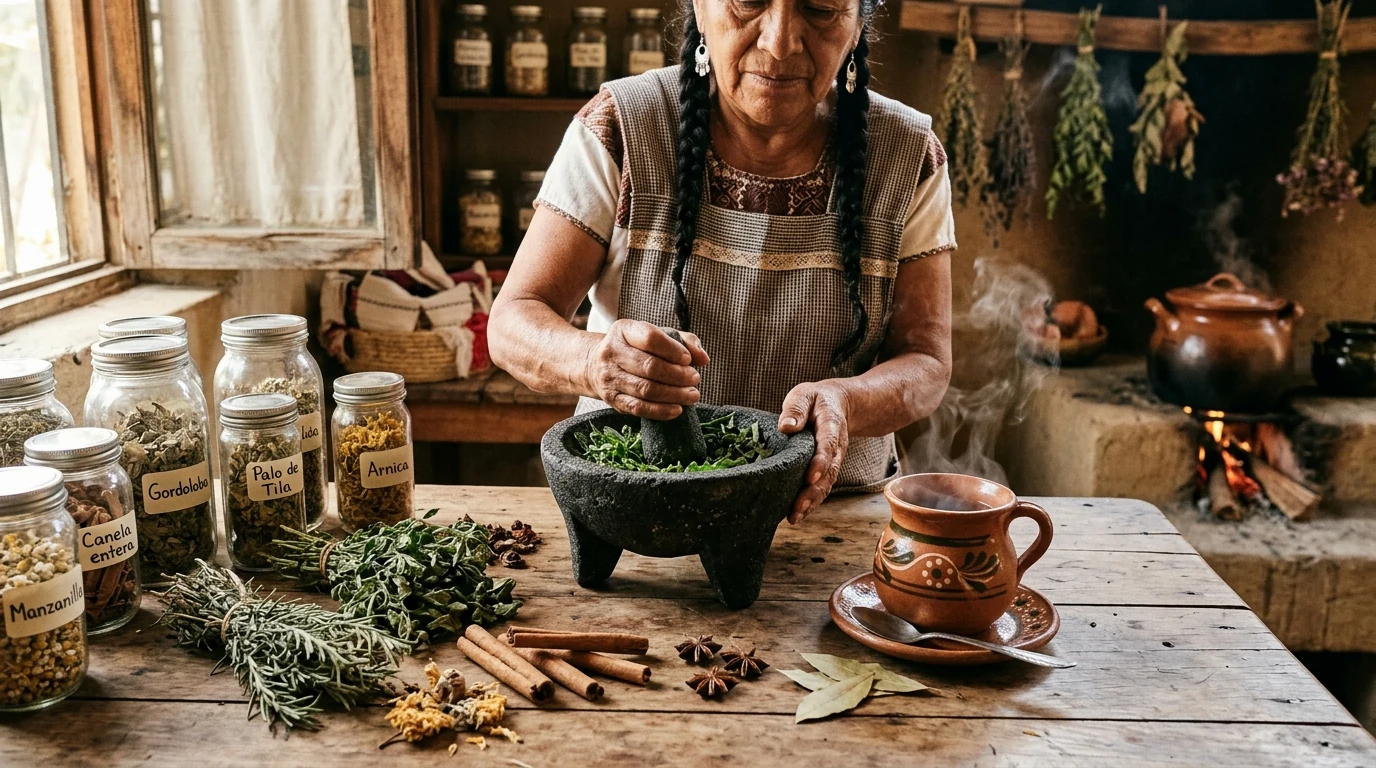
Top Herbal Books by Region and How to Choose
Mexico’s vast biodiversity demands a regional approach to herbalism. For those exploring the Northern regions, look for guides focusing on arid-land resilience and xerophytic plants. In the Central highlands, prioritize titles that detail the temperate flora of the Valley of Mexico and the volcanic belt.
The Southern regions, particularly Oaxaca and Chiapas, are the heart of Mexico's ethnobotanical wealth. Seek specialized monographs on Mayan and Zapotec traditions, as these areas offer the most comprehensive documentation on rainforest medicinal species and ancestral healing rituals.
When selecting a reliable guide, consider these essential criteria:
- Scientific Rigor: Ensure the author includes botanical names (Latin) to avoid dangerous misidentifications.
- Format Preference: Choose high-quality print editions for field use or searchable PDFs for quick digital referencing.
- Source Credibility: Prioritize books that blend academic research with verified indigenous knowledge.
Selecting the right resource means balancing traditional wisdom with modern safety standards. Always cross-reference regional guides to ensure the plants are native to your specific ecosystem.
¿Deseas profundizar en Mejores libros de herbolaria mexicana por región (norte, centro, sur)?
Consulta la selección de libros oficiales, manuales de botica y hierbas auténticas disponibles en Amazon con envío prioritario:
Check Prices and Deals on Amazon ↗Frequently Asked Questions about Mexican Herbalism Books
What are the most commonly used medicinal plants in Oaxaca?
Oaxacan traditional medicine frequently uses plants such as epazote, hierba santa, rue, chamomile, Mexican arnica, and various agave and cactus species. Each plant is chosen for specific complaints, but proper botanical identification and dosage are essential for safe use.
Are there reliable PDF guides for medicinal plants of Chiapas and Oaxaca?
Yes, several university, ethnobotanical, and government publications offer downloadable PDF guides for Chiapas and Oaxaca medicinal plants. Readers should prioritize documents that include botanical names, local names, uses, and safety warnings, and cross-check them with peer-reviewed or expert-reviewed print books.