Mejores libros de herbolaria mexicana para terapeutas holísticos

Key Summary: For holistic practitioners, prioritize The Mexican Herbalist for its clinical depth and Traditional Mexican Herbalism for cultural wisdom. These guides blend ancestral storytelling with evidence-informed botanical applications, offering a respectful, practical bridge between ancient Mesoamerican healing traditions and modern therapeutic practice for professional integration.
Why Holistic Therapists Need Trusted Books on Mexican Traditional Medicine
For the modern holistic therapist, the allure of Mexican traditional medicine lies in its profound ancestral wisdom. However, a significant gap often exists between anecdotal folk knowledge—passed down through oral tradition—and the rigorous demands of clinical application. While "grandmother's remedies" provide a cultural foundation, practicing safely requires a transition from intuition to evidence-based herbalism.
Integrating botanical medicine into a professional practice introduces complexities regarding toxicity, contraindications, and precise dosage. To bridge this gap, practitioners need reference materials that transcend simple lists of plants. A credible herbal guide must offer:
- Botanical Precision: Accurate Latin nomenclature to avoid dangerous species substitutions.
- Pharmacological Context: Clear explanations of active compounds and their interactions with conventional pharmaceuticals.
- Ethnobotanical Integrity: Documentation that respects indigenous origins while validating efficacy through contemporary study.
"The bridge between tradition and therapy is built on verified knowledge; without it, the line between a healing remedy and a clinical risk becomes dangerously thin."
By relying on trusted, scholarly texts, therapists can honor the spirit of Mexican herbolaria while ensuring the highest standards of patient safety and professional credibility.
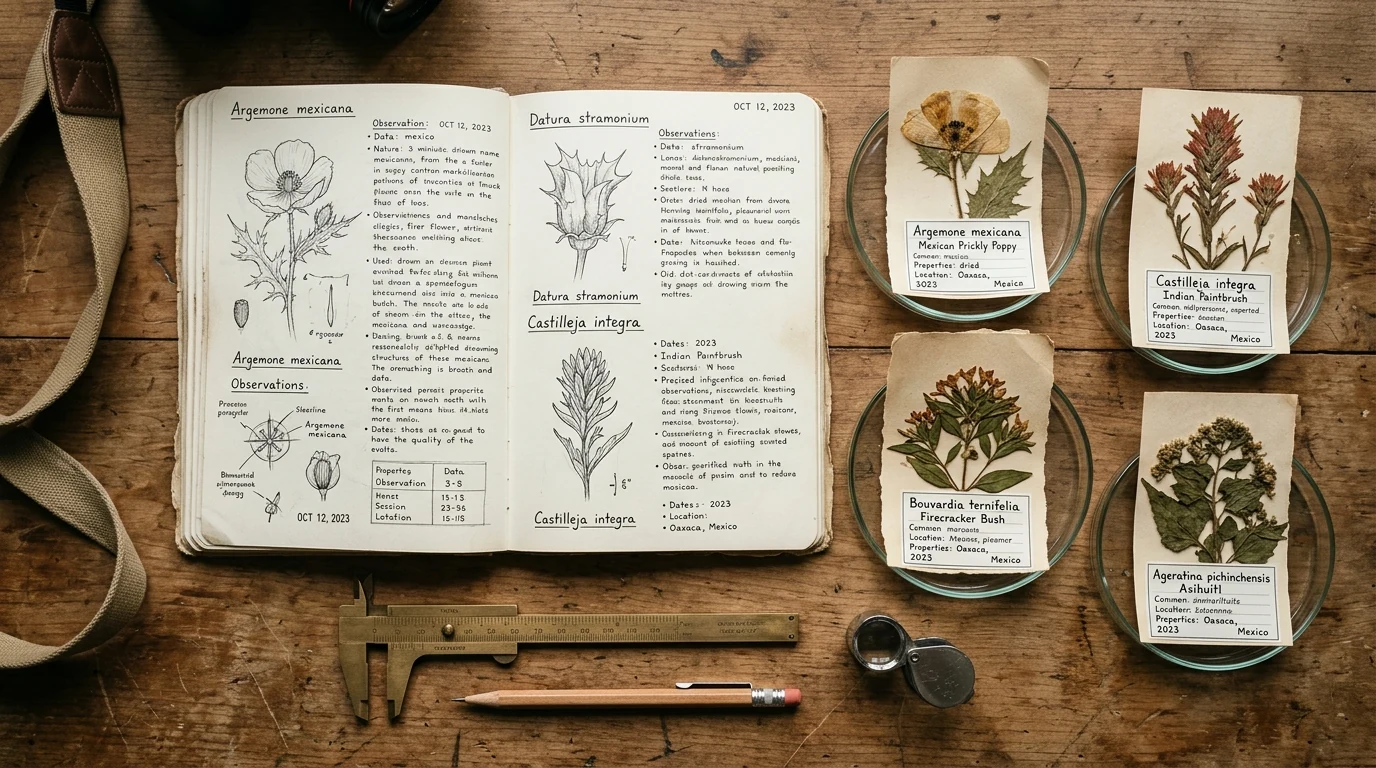
Key Plants, Dosage Principles, and Safety Protocols Every Therapist Should Know
For the holistic therapist, mastering Mexican herbalism requires moving beyond simple intuition toward a rigorous, evidence-based framework. A professional approach begins with the precise identification of core botanical species—such as Arnica montana for inflammation or Passiflora for nervous system regulation—ensuring that the active constituents are correctly matched to the patient's pathology.
To ensure clinical efficacy and patient safety, therapists must adhere to a strict three-step protocol:
- Constituent Analysis: Identify whether the plant's primary action is driven by alkaloids, flavonoids, or saponins to predict its physiological impact.
- Dosage Calibration: Apply standardized dosage principles, distinguishing between the potency of a decoction, a tincture, or a topical poultice to avoid toxicity.
- Contraindication Screening: Conduct a comprehensive check for herb-drug interactions, particularly for patients with hypertension, renal insufficiency, or those who are pregnant.
"The bridge between traditional wisdom and modern therapy is safety. A deep understanding of dosage is what transforms a simple remedy into a professional clinical intervention."
By integrating these safety protocols, practitioners can leverage the vast potency of Mexican flora while maintaining the highest standards of therapeutic integrity.
Top Recommended Books and PDF Resources Compared
For holistic therapists, selecting the right reference is the difference between a general understanding and clinical mastery. Mexican traditional medicine is vast, blending ancestral indigenous wisdom with colonial influences, requiring a curated approach to study.
- The Comprehensive Herbalist’s Guide (Advanced): Best for practitioners seeking a deep dive into pharmacognosy and dosage. This resource focuses on the chemical properties of native plants and their systemic interactions.
- Ancestral Healing Manuals (Intermediate): Ideal for those integrating spiritual energy work with botany. These guides emphasize the ritualistic application and the "spirit" of the plant, bridging the gap between physical and energetic healing.
- Quick-Reference PDF Directories (Beginner/Practical): Perfect for daily clinical use. These digital resources prioritize rapid identification, contraindications, and common remedies for acute symptoms.
Pro Tip: While digital PDFs offer unmatched accessibility for quick consultations, investing in a comprehensive hardcover tome provides the structural foundation necessary for professional certification and long-term practice.
Whether you prioritize scientific rigor or ancestral tradition, balancing these resources ensures a holistic approach that is both safe and culturally resonant.
¿Deseas profundizar en Mejores libros de herbolaria mexicana para terapeutas holísticos?
Consulta la selección de libros oficiales, manuales de botica y hierbas auténticas disponibles en Amazon con envío prioritario:
Check Prices and Deals on Amazon ↗Frequently Asked Questions about Mexican Herbalism Books
What should a holistic therapist look for in a Mexican herbalism book?
Prioritize botanically accurate plant identification, clear dosage guidelines, documented contraindications, and respect for the cultural origins of the remedies.
Are PDF books on traditional Mexican medicine reliable for clinical use?
PDF guides can be useful for quick reference and study, but verify the author’s credentials, cross-check botanical names, and use them alongside peer-reviewed or clinically vetted sources.