Mejores libros de herbolaria mexicana para jardinería medicinal
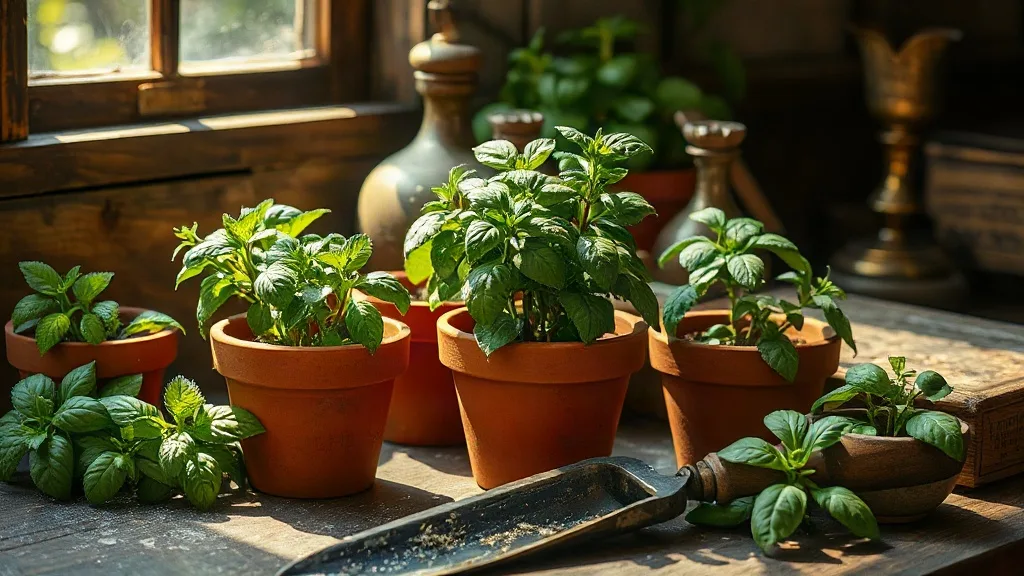
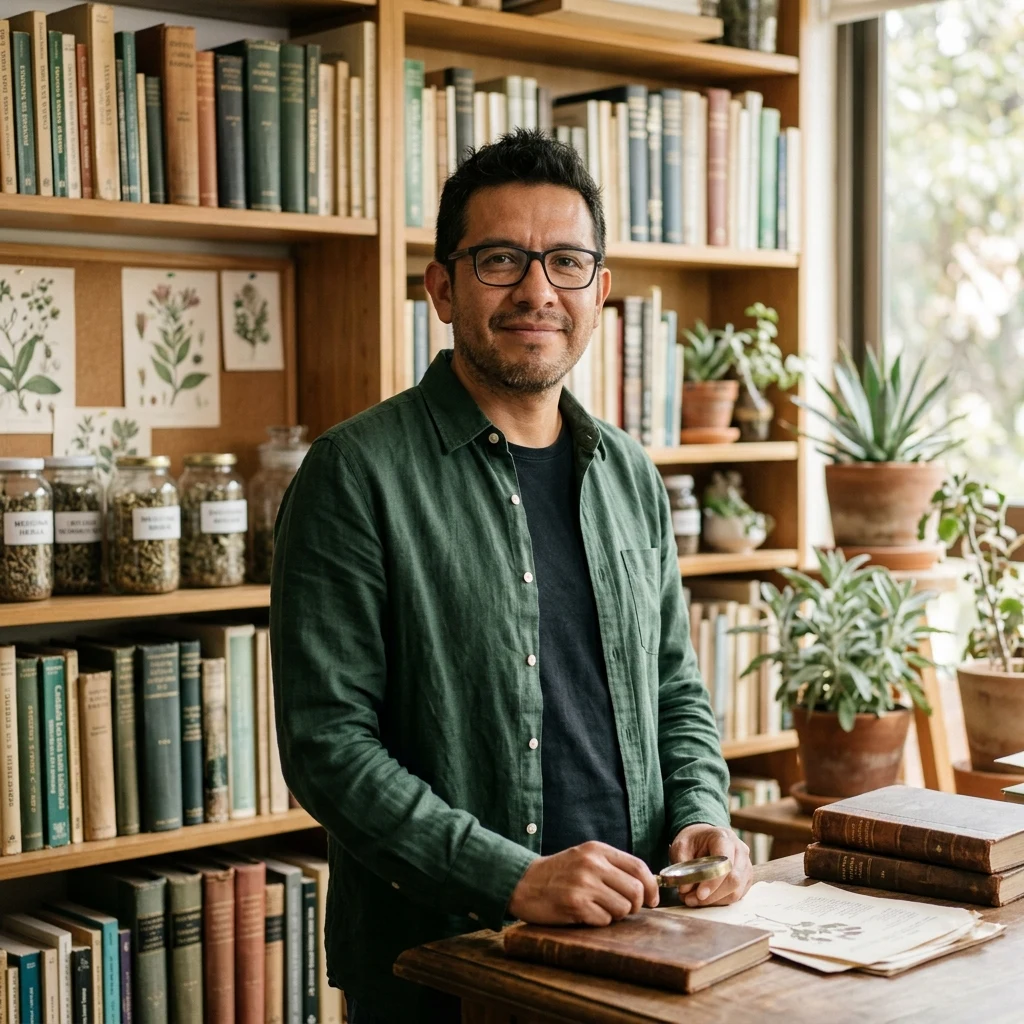
Key Summary: For a perfect blend of science and tradition, start with Plants of the Mexico for botanical accuracy. Pair it with local ethnobotanical guides to master soil and climate needs. These resources transform your backyard into a healing sanctuary, bridging ancestral wisdom with practical, sustainable gardening techniques.
Why a Medicinal Herb Garden Matters
For centuries, Mexico’s rich ethnobotanical heritage has served as a living pharmacy, blending ancestral wisdom with a profound understanding of the land. However, in an era of synthetic shortcuts, this vital connection to nature has often been severed. Establishing a medicinal herb garden is more than a hobby; it is a conscious act of reclaiming autonomy over your well-being.
Bridging the gap between ancient tradition and modern living allows you to transform your backyard or balcony into a sanctuary of healing. By cultivating your own plants, you ensure the purity of your remedies, avoiding contaminants and supporting local biodiversity. Yet, the transition from tradition to practice requires precision. Responsible self-care demands a balance of intuition and evidence-based knowledge to ensure safety and efficacy.
Integrating a medicinal garden into your life offers three fundamental benefits:
- Preservation: Keeping ancestral Mexican botanical knowledge alive for future generations.
- Sustainability: Reducing reliance on industrial pharmaceuticals for minor ailments.
- Mindfulness: Cultivating a rhythmic, grounding connection with the natural cycles of growth and healing.
How to Grow Medicinal Plants at Home: From Seed to Harvest
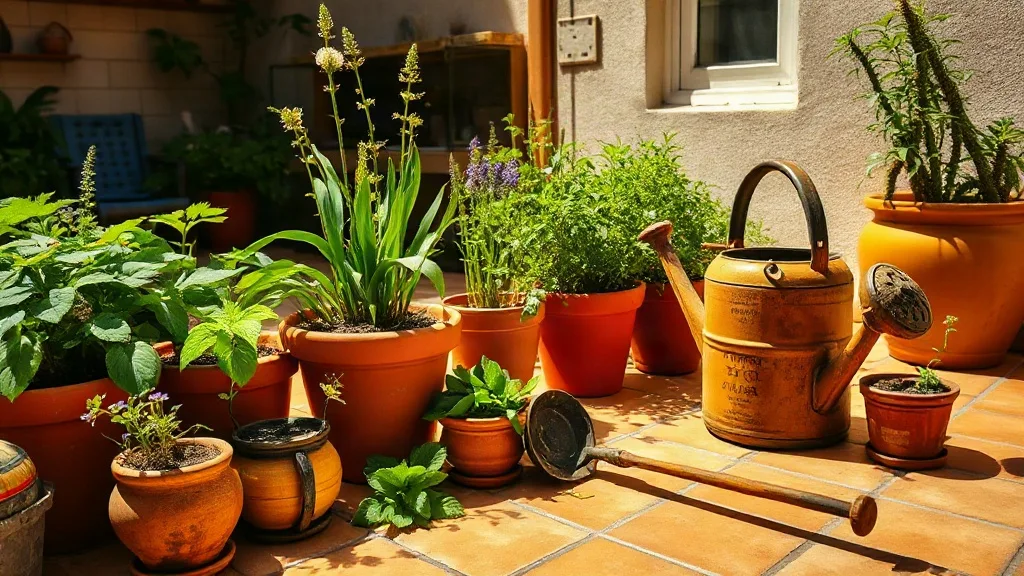
Cultivating a Mexican medicinal garden allows you to harness ancestral healing power right in your backyard. Whether you are planting Damiana or Calendula, success lies in replicating their native environments through a mindful, step-by-step approach.
- Soil and Light: Most Mexican herbs thrive in well-draining, sandy-loam soil. Ensure they receive ample sunlight—at least 6 to 8 hours daily—to maximize the potency of their active compounds.
- Watering: Practice moderate irrigation. Allow the top inch of soil to dry out between waterings to prevent root rot, mimicking the semi-arid cycles of central Mexico.
- Harvesting: Collect leaves and flowers just before the plant blooms, typically in the early morning when essential oils are most concentrated.
- Drying: Air-dry your harvest in a cool, shaded, and ventilated area. Avoid direct sunlight to prevent the degradation of medicinal properties.
Safety First: Always cross-reference your gardening practice with authoritative guides on Mexican herbalism. Ensure correct species identification and consult a professional before using home-grown plants for therapeutic purposes.
Top Mexican Herbalism Books Compared: What to Buy and Why
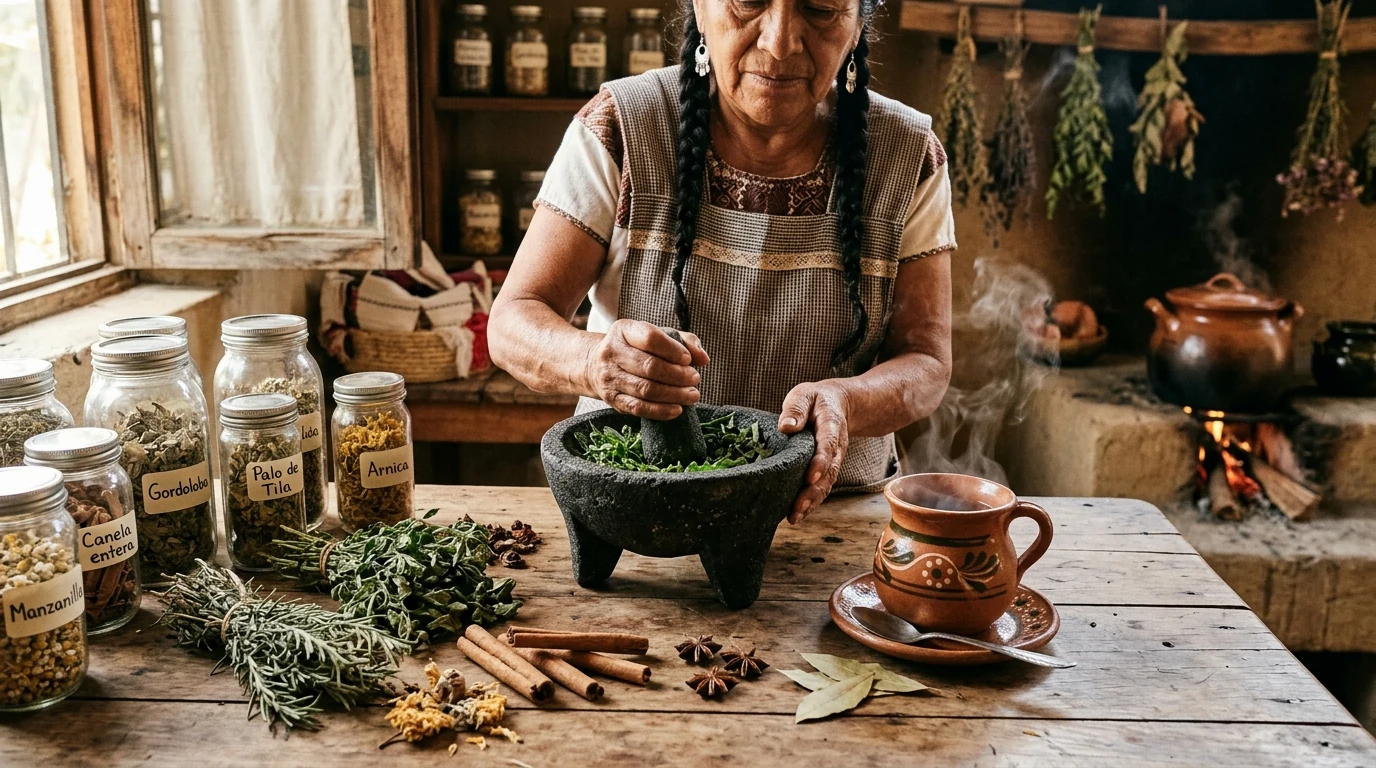
Navigating the vast landscape of Mexican botanical wisdom requires resources that balance ancestral tradition with pharmacological rigor. Depending on your goals—whether you are a backyard gardener or an aspiring herbalist—the right choice depends on the book's specific focus.
- For Plant Identification & Botany: Look for comprehensive field guides that prioritize high-resolution imagery and regional mapping. These are essential for safely distinguishing medicinal species from toxic look-alikes in the wild.
- For Cultivation & Gardening: Choose manuals focused on agroecology. The best titles in this category provide soil requirements and climate-specific tips for growing native Mexican herbs in home gardens.
- For Dosage & Recipes: Prioritize pharmacopeias or practical handbooks. These excel in providing precise ratios for tinctures, infusions, and poultices, bridging the gap between raw plants and therapeutic remedies.
- Traditional vs. Scientific: If you seek spiritual context and folklore, ethnographic texts are superior. However, for clinical validation, opt for resources that cite biochemical properties and contraindications.
Ultimately, the most effective library combines a scientific botanical guide with a traditional recipe book, ensuring your medicinal garden is both productive and safe.
¿Deseas profundizar en Mejores libros de herbolaria mexicana para jardinería medicinal?
Consulta la selección de libros oficiales, manuales de botica y hierbas auténticas disponibles en Amazon con envío prioritario:
Check Prices and Deals on Amazon ↗Frequently Asked Questions about Mexican Herbalism Books
What is a huerto de plantas medicinales?
A huerto de plantas medicinales is a garden—at home or in the community—cultivated specifically for medicinal plants. It combines traditional Mexican herbal knowledge with safe, sustainable growing practices.
Can I grow medicinal plants in pots or small spaces?
Yes. Many Mexican medicinal herbs, such as rue, chamomile, peppermint, and Mexican marigold, thrive in containers on balconies or patios as long as they receive adequate sunlight and drainage.