Mejores libros de herbolaria mexicana para estudiantes de botánica
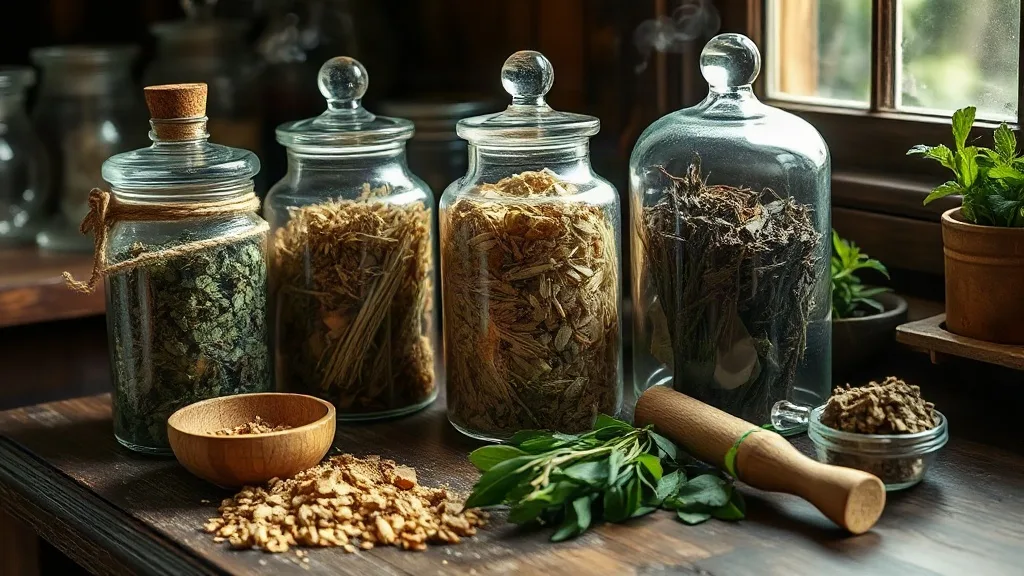

Key Summary: For botany students, prioritize "Plantas Medicinales de México" for its rigorous taxonomic precision and "La Herbolaria Mexicana" for ethnobotanical depth. These essential texts balance scientific classification with traditional knowledge, providing a professional foundation for studying Mexico's diverse flora and its therapeutic applications.
Why Botany Students Need Specialized Mexican Herbalism Books
Academic botany provides the essential foundation of plant morphology and systematic classification, yet a gap often exists between the laboratory and the living landscape. While a textbook can identify a species, it rarely captures the ethnobotanical nuance and ancestral wisdom embedded in Mexico’s diverse flora. For students, bridging this divide is crucial to understanding plants not just as biological specimens, but as functional therapeutic agents.
Specialized Mexican herbalism resources are indispensable because they integrate three critical pillars that standard botanical manuals often overlook:
- Precise Taxonomy: Ensuring that traditional common names are accurately mapped to scientific nomenclature to avoid dangerous misidentifications.
- Cultural Context: Providing the historical and sociological framework of how indigenous communities have utilized these species for centuries.
- Safe Application: Offering guidance on dosage, contraindications, and sustainable harvesting practices that protect biodiversity.
"True botanical mastery requires the marriage of rigorous scientific methodology with the practical, lived experience of traditional herbalism."
By utilizing resources that blend these disciplines, botany students evolve from mere observers of nature into skilled practitioners capable of preserving and applying Mexico's rich medicinal heritage safely and ethically.
Essential Criteria and Top Recommended Titles
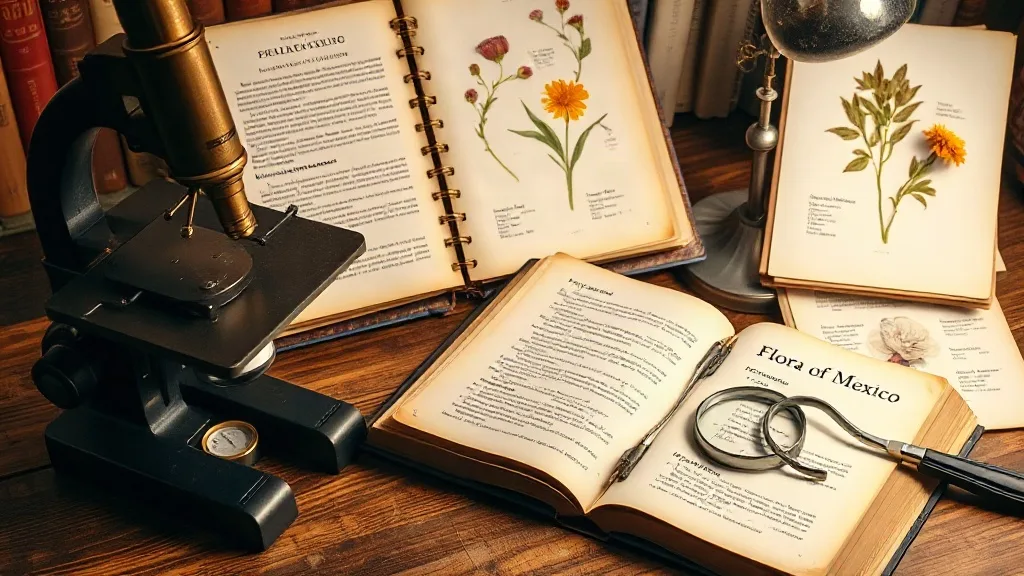
Selecting the right reference material is crucial for mastering Mexican herbalism. To ensure scientific rigor, prioritize texts that integrate detailed botanical illustrations with precise scientific names (Latin binomials), preventing dangerous misidentifications. A high-quality guide should not only list plants but also detail their active compounds, provide clear dosage guidance, and respect the cultural usage and ancestral wisdom of indigenous communities.
Depending on your current expertise, we recommend the following essential titles:
- For Beginners: "Guía de Plantas Medicinales de México" – An accessible entry point focusing on common species and basic home remedies.
- For Intermediate Students: "Herbolaria Mexicana" – A comprehensive bridge between traditional folklore and pharmacological properties.
- For Advanced Botanists: "Flora de México" – The gold standard for taxonomic precision, morphological analysis, and professional field identification.
"The synergy between empirical traditional knowledge and modern botanical science is what transforms a simple list of plants into a powerful tool for healing."
Comparative Guide: Field Manuals vs. Clinical Monographs
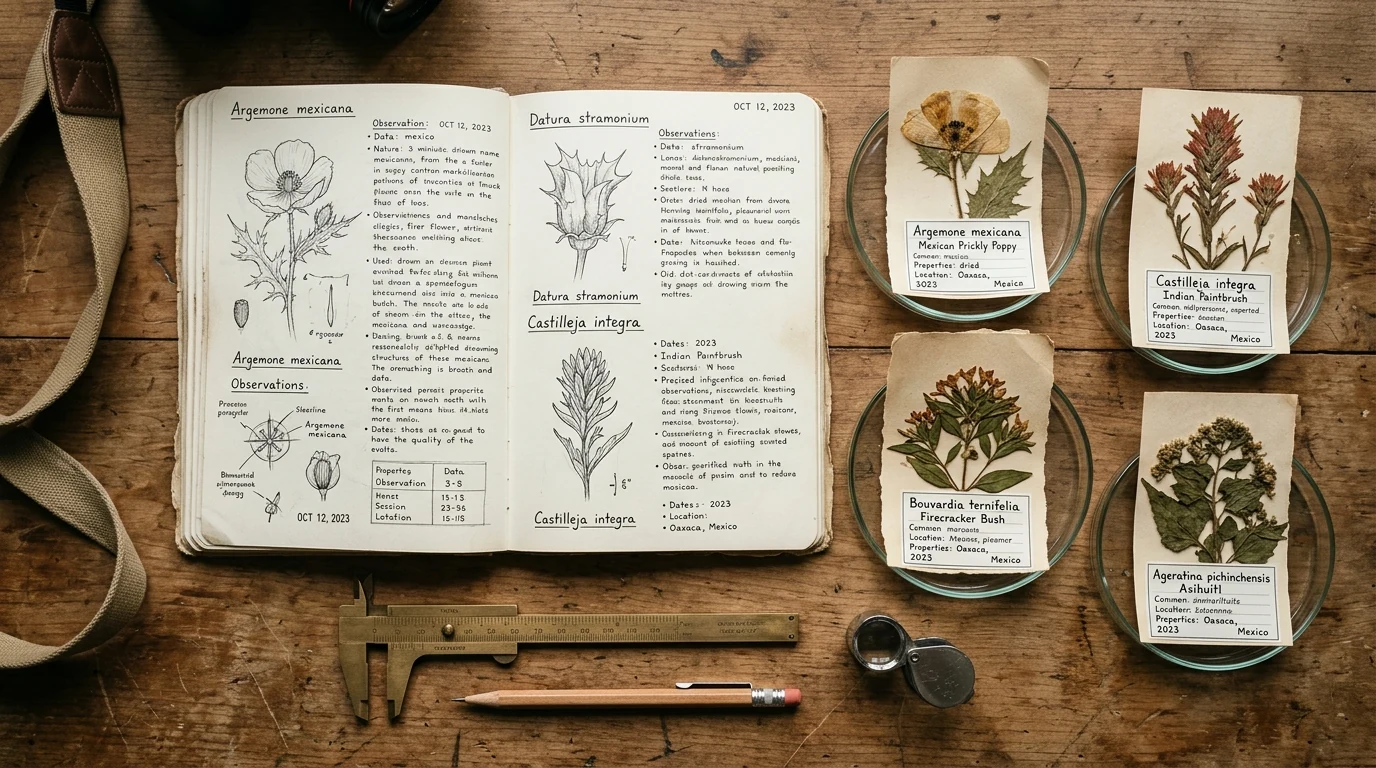
For botany students specializing in Mexican herbalism, selecting the right reference tool is as critical as the identification process itself. Depending on whether you are trekking through the Sierra Madre or analyzing active compounds in a lab, you will need a different architectural approach to information.
Field Manuals are designed for mobility and rapid identification. They prioritize visual diagnostics, focusing on morphology, habitat, and phenology. Use these when you need to distinguish a species in situ through dichotomous keys and botanical illustrations.
Clinical Monographs, conversely, are deep-dive academic resources. They shift the focus from "what is this plant?" to "how does this plant work?" These texts provide exhaustive data on phytochemistry, pharmacological actions, and precise dosage for herbal preparations.
- Field Manuals: Best for biodiversity surveys, specimen collection, and real-time botanical identification.
- Clinical Monographs: Ideal for laboratory study, formulating therapeutic remedies, and verifying safety profiles.
Pro Tip: The most successful students employ a hybrid workflow: using field guides for primary sourcing and clinical monographs for therapeutic validation.
¿Deseas profundizar en Mejores libros de herbolaria mexicana para estudiantes de botánica?
Consulta la selección de libros oficiales, manuales de botica y hierbas auténticas disponibles en Amazon con envío prioritario:
Check Prices and Deals on Amazon ↗Frequently Asked Questions about Mexican Herbalism Books
What makes a Mexican herbalism book reliable for botany students?
A reliable book pairs accurate botanical nomenclature and illustrations with documented ethnobotanical use, clear safety and dosage information, and references to active phytochemical compounds.
Can traditional Mexican herbalism be studied safely alongside modern botany?
Yes, when approached critically. Students should cross-reference traditional uses with peer-reviewed botanical and toxicological data, and avoid self-medicating with plants they cannot positively identify.