Mejores libros de herbolaria mexicana para cocineros y chefs
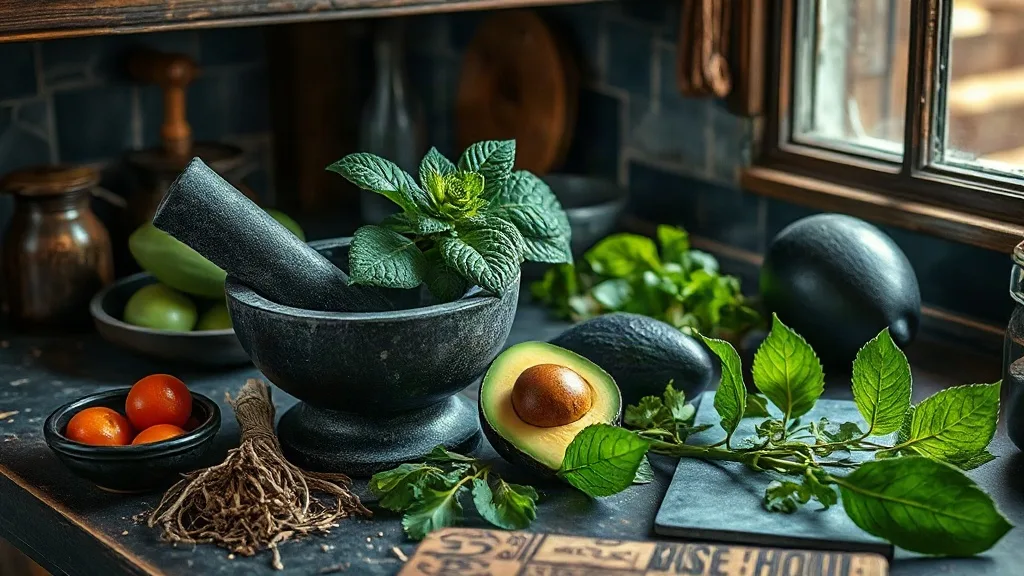
Key Summary: For chefs, prioritize The Flora of Mexico for botanical rigor and specialized regional guides on endemic herbs. Focus on texts blending ethnobotany with culinary application to master flavor profiles and safety, ensuring a professional balance between traditional ancestral knowledge and modern gastronomic precision.
Why Mexican Herbalism Belongs in the Modern Kitchen
Modern gastronomy is witnessing a profound shift toward ancestral wisdom. For today’s chefs and home cooks, integrating Mexican herbalism is no longer just about adding a unique flavor profile; it is about embracing a holistic philosophy where food serves as both nourishment and medicine. As the demand for functional ingredients grows, understanding the synergy between traditional healing herbs and culinary arts becomes essential for creating conscious, soul-stirring dishes.
However, the bridge between tradition and the plate requires precision. Using botanicals without proper guidance carries inherent risks, as the line between a therapeutic dose and a toxic one can be thin. To navigate this safely, specialized literature is indispensable. High-quality guides provide more than just recipes; they offer:
- Botanical Accuracy: Ensuring the correct species are identified to avoid toxicity.
- Cultural Preservation: Honoring the indigenous knowledge and rituals behind each plant.
- Safe Application: Guidelines on dosage, contraindications, and optimal preparation methods.
By grounding culinary creativity in scholarly and traditional texts, chefs can honor Mexico's rich biodiversity while ensuring that every innovative bite is as safe as it is transformative.
Top Mexican Herbalism Books Cooks and Chefs Should Know
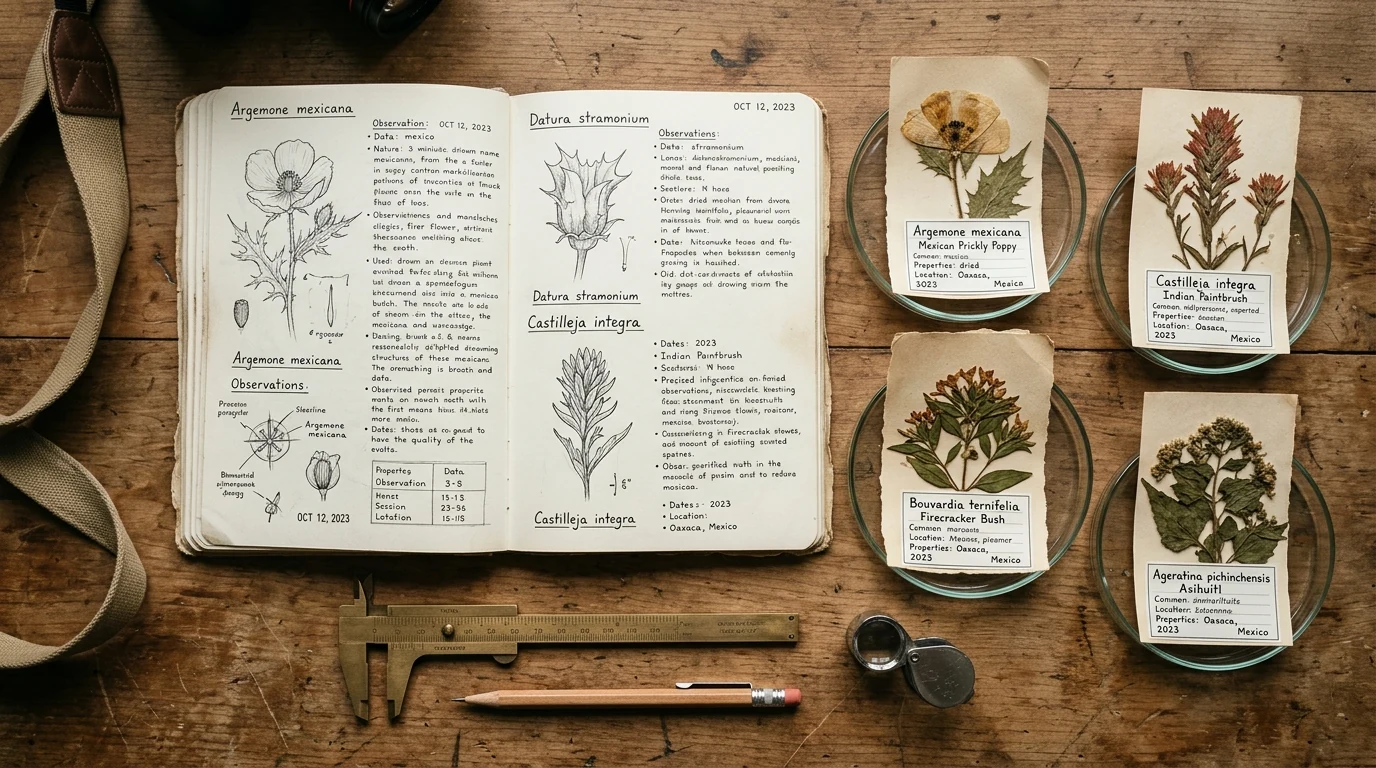
For the modern chef, integrating Mexican herbalism is more than a trend; it is an exploration of ancestral flavor and functional wellness. To master this craft, you need a roadmap that bridges the gap between botanical science and culinary application. Depending on your expertise, these curated titles offer a structured path from identification to plate.
- The Botanical Beginner: Start with comprehensive field guides focused on botanical identification. These titles help chefs recognize native species in their raw state, ensuring safety and authenticity when sourcing wild ingredients.
- The Functional Specialist: Move toward texts detailing active compounds and traditional remedies. These resources explain the "why" behind the herb, covering medicinal properties and precise dosage to ensure health benefits without compromising taste.
- The Culinary Alchemist: Finally, seek out advanced compendiums that prioritize recipe integration. These books teach you how to balance potent herbal infusions and tinctures within gourmet dishes, transforming a standard menu into a therapeutic dining experience.
Whether you are seeking to heal or to heighten flavor, matching these resources to your skill level ensures a professional and safe integration of Mexico's rich botanical heritage.
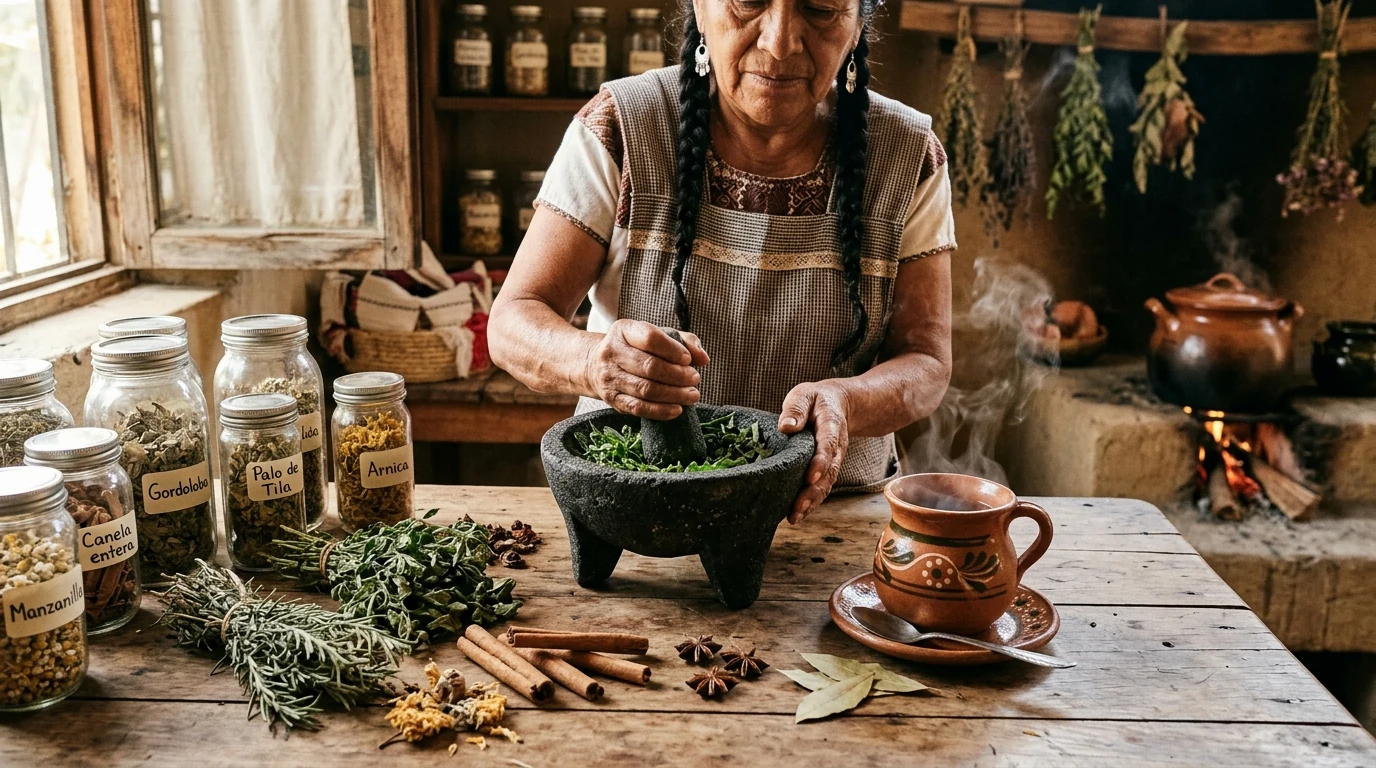
How to Choose the Right Herbal Guide for Your Culinary Practice
Selecting the ideal herbal guide requires balancing botanical precision with culinary intuition. For chefs, a book is only as valuable as its reliability; therefore, prioritize authors with proven credentials—such as ethnobotanists or certified herbalists—who blend traditional Mexican knowledge with scientific rigor to ensure accurate species identification.
When evaluating your options, consider these essential criteria:
- Regional Focus: Ensure the guide covers the specific biodiversity of the Mexican region you are sourcing from (e.g., Oaxacan highlands vs. Yucatecan jungle).
- Safety Warnings: A professional resource must include clear contraindications and toxicity alerts to prevent hazardous substitutions.
- Kitchen Usability: Look for practical layouts, high-resolution photography, and flavor profiles that translate botanical data into gastronomic application.
While a primary guide provides the foundation, true mastery comes from a multidisciplinary approach. We recommend complementing your chosen manual with pharmacopeias for deeper chemical insights and regional cookbooks to understand the cultural soul of each herb.
"The bridge between a botanist's laboratory and a chef's kitchen is built on precision, safety, and a profound respect for the land."
¿Deseas profundizar en Mejores libros de herbolaria mexicana para cocineros y chefs?
Consulta la selección de libros oficiales, manuales de botica y hierbas auténticas disponibles en Amazon con envío prioritario:
Check Prices and Deals on Amazon ↗Frequently Asked Questions about Mexican Herbalism Books
What makes a Mexican herbalism book reliable for chefs?
A trustworthy guide combines botanical accuracy, clear identification of active compounds, culturally grounded traditional use, precise dosage guidance, and explicit safety warnings or contraindications.
Can culinary herbs be used therapeutically in Mexican cuisine?
Yes, many hierbas medicinales used in Mexican cooking contain bioactive compounds, but therapeutic benefit depends on proper identification, culinary-appropriate dosage, and awareness of contraindications; reliable books and professional guidance are essential.