Mejores libros de herbolaria mexicana de bajo presupuesto
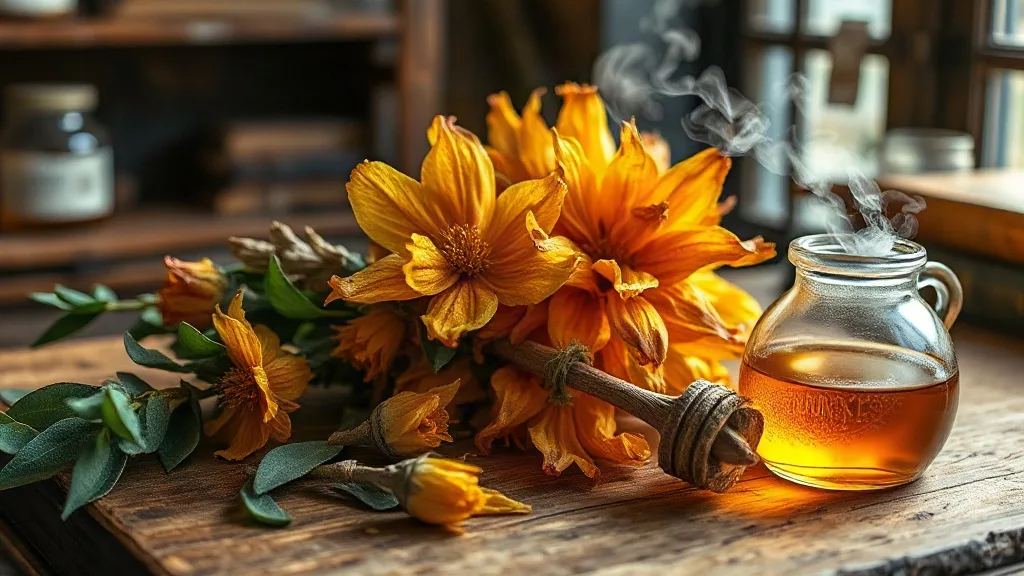

Key Summary: For budget-friendly, rigorous guidance, prioritize The Mexican Herbalist or government-backed botanical guides. These resources bridge ancestral wisdom with evidence-informed phytotherapy, offering accessible, low-cost entries into traditional medicine. Focus on open-access academic PDFs and community-driven manuals to ensure scientific accuracy without breaking your bank.
What Is Herbolaria Mexicana and Why Study It on a Budget?
Herbolaria Mexicana is more than just the use of plants; it is a profound synthesis of ancestral ethnobotanical wisdom and contemporary phytotherapy. This traditional system of medicine blends the deep ecological knowledge of Indigenous cultures with modern scientific validation, offering a holistic approach to wellness that prioritizes the synergy between nature and human health.
Studying this heritage allows learners to rediscover the therapeutic potential of native flora, transforming the environment into a living pharmacy. However, specialized botanical literature can often be prohibitively expensive. This is why seeking affordable or free resources is essential to democratize this knowledge.
By accessing budget-friendly guides and open-source materials, the study of Mexican herbalism becomes accessible to everyone, regardless of their economic background. Embracing low-cost learning ensures that:
- Cultural preservation: Ancient healing secrets are kept alive by a wider community.
- Sustainable health: Individuals learn to utilize local, low-cost alternatives for primary care.
- Inclusive education: The barrier to entry for aspiring herbalists is removed, fostering a more diverse field of study.
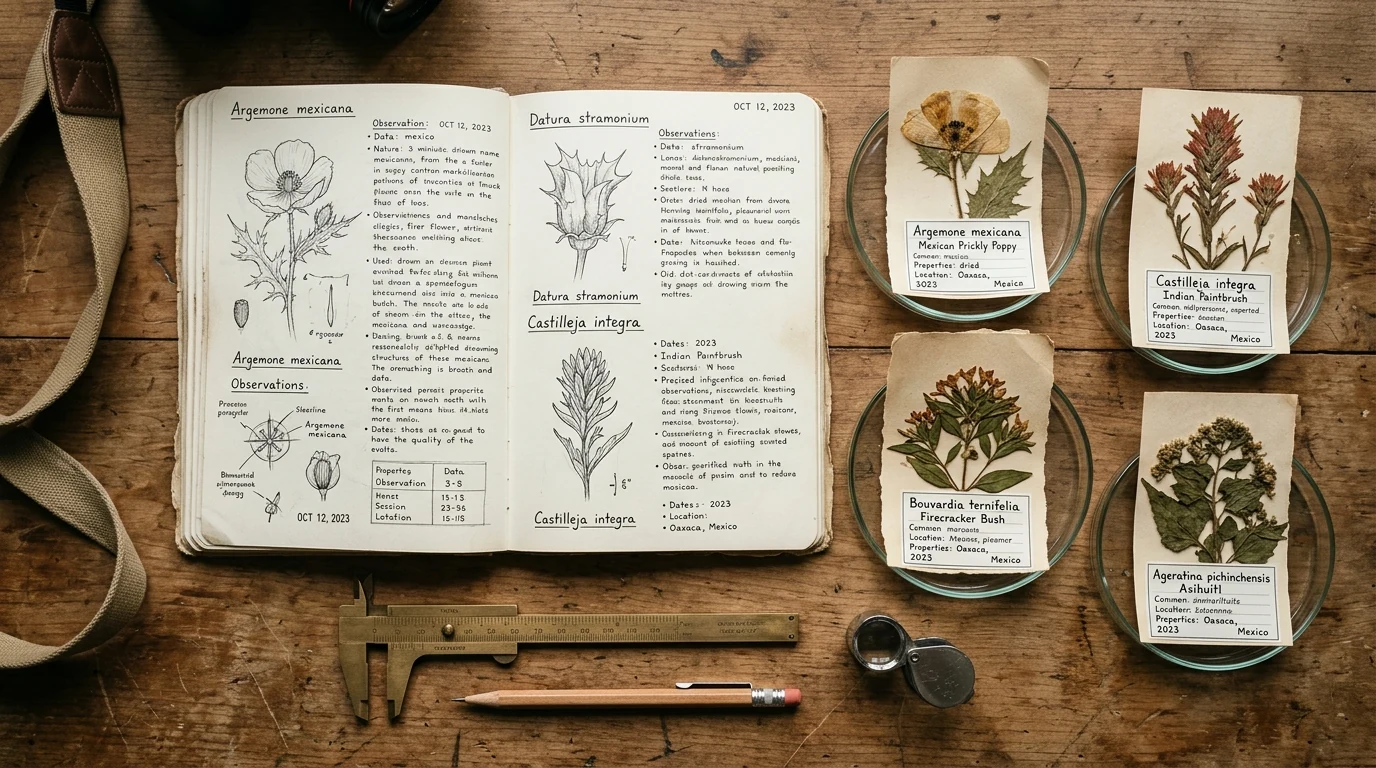
How to Find a Herbolaria Mexicana Libro PDF Gratis Safely and Legally
Exploring the ancestral wisdom of Mexican herbalism doesn't have to be expensive. While many comprehensive guides are commercial, there are several legitimate avenues to access high-quality botanical knowledge without risking your device with piracy sites or violating copyright laws.
To find a reliable and free PDF on herbolaria mexicana, follow these secure steps:
- Public Domain Archives: Visit platforms like Project Gutenberg or the Internet Archive. Search for historical botanical texts that have entered the public domain.
- University Repositories: Many Mexican and international universities host open-access theses and research papers on ethnobotany via their digital libraries.
- Digital Library Apps: Use apps like Libby or OverDrive connected to your local public library to borrow e-books for free.
- Official Health Portals: Government health departments and NGOs often publish free PDF manuals on traditional medicine and sustainable plant use.
- Publisher Samples: Check official publishing houses for "preview" PDFs or promotional excerpts that provide essential introductory knowledge.
Pro Tip: Always verify the source. Legal PDFs are typically hosted on .edu, .gov, or .org domains, ensuring the information is both safe to download and scientifically grounded.
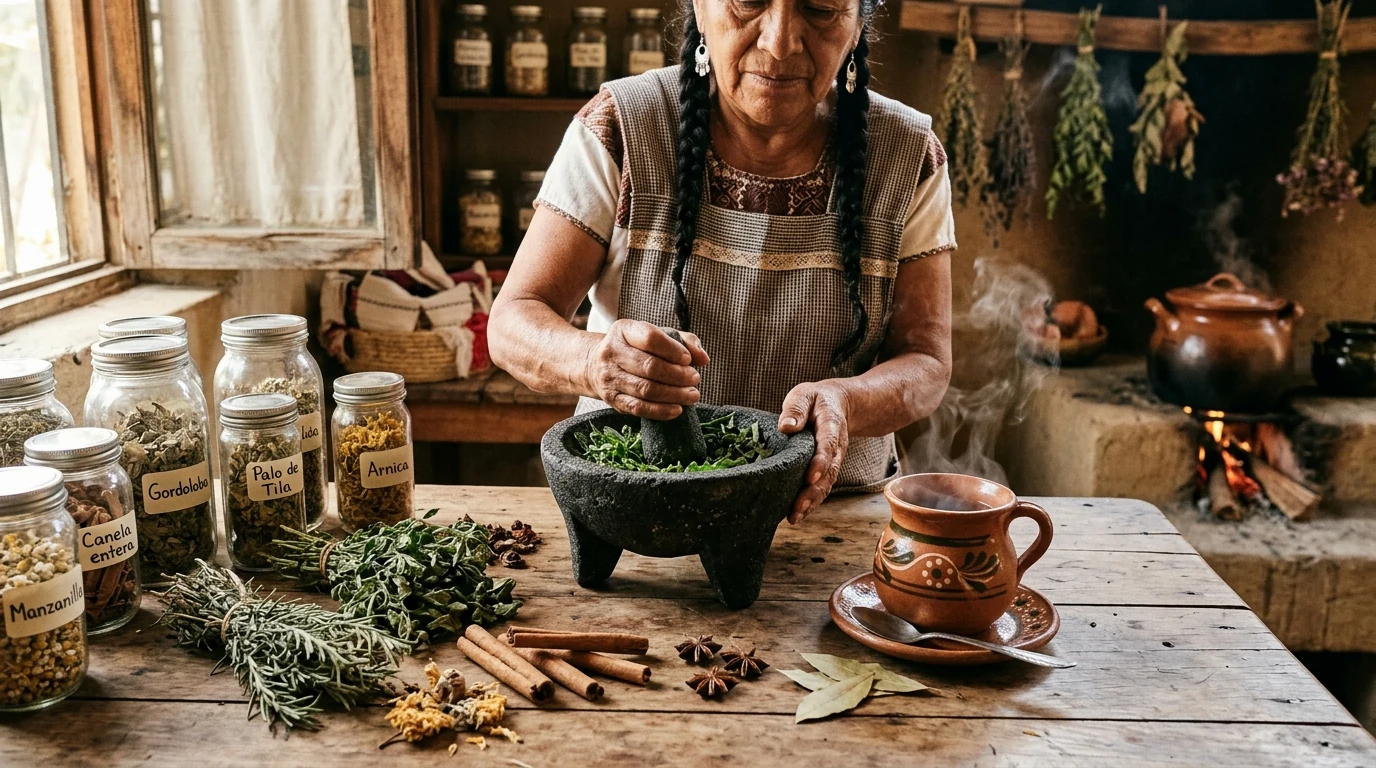
Top Low-Cost Books, PDFs, and Learning Resources Compared
Mastering Mexican herbalism doesn't require a luxury budget. For those seeking a foundation in traditional wisdom, classic texts—often available in affordable paperback or second-hand editions—provide an indispensable ethnographic look at ancestral remedies and regional flora.
For newcomers, modern beginner-friendly guides offer a more structured approach, translating complex botanical data into actionable home remedies. However, if your budget is zero, free digital alternatives are a goldmine; many universities and botanical gardens provide open-access PDFs and digitized archives of Mexican pharmacopeias that are both authoritative and free.
To complement your reading, integrating supplementary digital tools is key to practical application:
- Botanical Identification Apps: Tools like iNaturalist or PictureThis help bridge the gap between a book's description and a real-life plant.
- Online Courses: Platforms like Coursera or specialized herbalism blogs offer low-cost certifications and modular learning.
- Digital Communities: Open forums and social media groups provide peer-to-peer knowledge exchange at no cost.
The most effective learning path combines the rigor of classic literature with the immediacy of modern digital identification tools.
¿Deseas profundizar en Mejores libros de herbolaria mexicana de bajo presupuesto?
Consulta la selección de libros oficiales, manuales de botica y hierbas auténticas disponibles en Amazon con envío prioritario:
Check Prices and Deals on Amazon ↗Frequently Asked Questions about Mexican Herbalism Books
Is it legal to download a herbolaria mexicana libro PDF gratis?
It is legal only when the book is in the public domain, released under a Creative Commons or open-access license, or explicitly offered for free by the author or publisher. Unauthorized downloads violate copyright and may contain inaccurate or unsafe information.
Which free resources are best for beginners in Mexican herbalism?
Beginners should start with public-domain ethnobotanical works, university digital libraries, government health portals, and verified nonprofit sites. These should be paired with a current, clinically reviewed guide to ensure correct plant identification, dosing, and safety.