Mejores libros de herbolaria mexicana con nombres científicos actualizados


Key Summary: For rigorous, updated nomenclature, prioritize the Flora de México and specialized ethnobotanical monographs. Seek texts blending traditional wisdom with peer-reviewed botanical taxonomy to ensure safety and precision. These authoritative guides bridge ancestral Mexican healing with modern scientific standards, offering the most reliable, evidence-based herbal references.
Why Updated Scientific Names Matter in Mexican Herbalism
In the rich landscape of Mexican herbalism, a single plant can carry dozens of common names depending on the region, while one common name might refer to several entirely different species. This linguistic overlap creates a dangerous gap in safety. When botanical taxonomy shifts—as scientists refine the genetic classification of plants—relying on outdated texts can lead to critical errors in identification.
Utilizing references backed by institutions like UNAM (Universidad Nacional Autónoma de México) is not merely an academic preference; it is a safety imperative. Updated scientific names provide a universal language that transcends regional dialects, ensuring that the practitioner and the plant are perfectly aligned.
Precise taxonomic identification is essential to:
- Avoid Toxic Look-alikes: Distinguishing a therapeutic herb from a poisonous species that shares a similar common name.
- Ensure Dosage Accuracy: Different species within the same genus often contain varying concentrations of active compounds.
- Guarantee Efficacy: Confirming you are using the specific botanical variety proven to treat the intended ailment.
By prioritizing updated nomenclature, herbalists transform traditional wisdom into a precise, evidence-based practice.
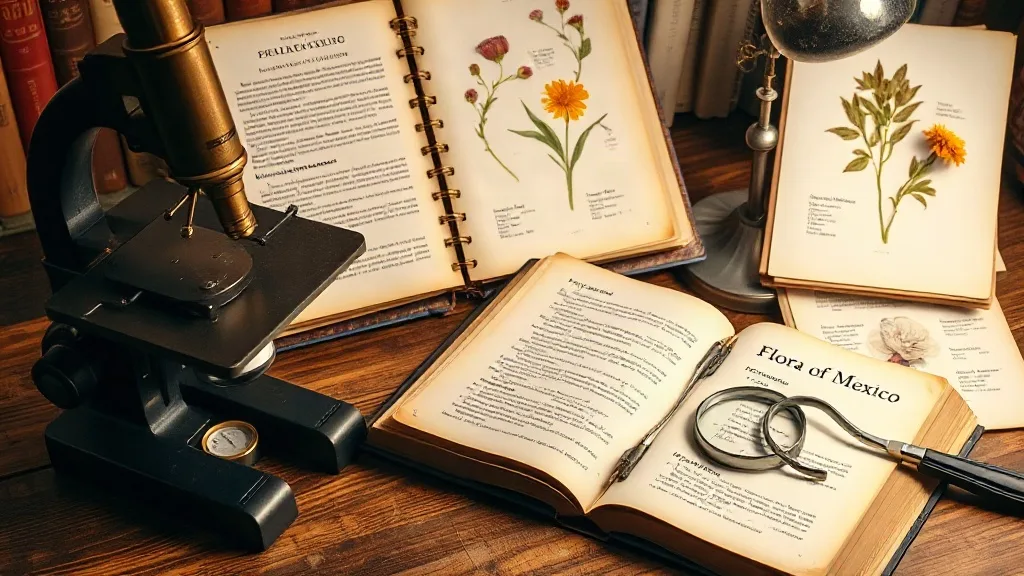
How to Choose a Reliable Mexican Herbalism Book
Navigating the vast landscape of traditional medicine requires a critical eye to distinguish anecdotal folklore from evidence-based botanical science. To ensure you are investing in a safe and accurate resource, prioritize texts that bridge the gap between ancestral wisdom and modern pharmacology.
When evaluating a publication, use the following step-by-step criteria to verify its reliability:
- Authoritative Credentials: Ensure the authors are verified botanists, pharmacologists, or ethnobotanists with academic backing.
- Updated Nomenclature: The text must use current binomial nomenclature (Latin names) to avoid dangerous misidentification of species.
- Pharmacological Detail: Look for the inclusion of active chemical compounds and clear explanations of their therapeutic mechanisms.
- Safety Protocols: A professional guide must explicitly list precise dosage forms, potential drug interactions, and strict contraindications.
- Institutional Validation: Prioritize books that are peer-reviewed or published by recognized Mexican institutions, such as UNAM or the National Institute of Anthropology and History (INAH).
Reliability in herbalism is not found in "secret remedies," but in the transparency of scientific sourcing and the rigor of botanical classification.
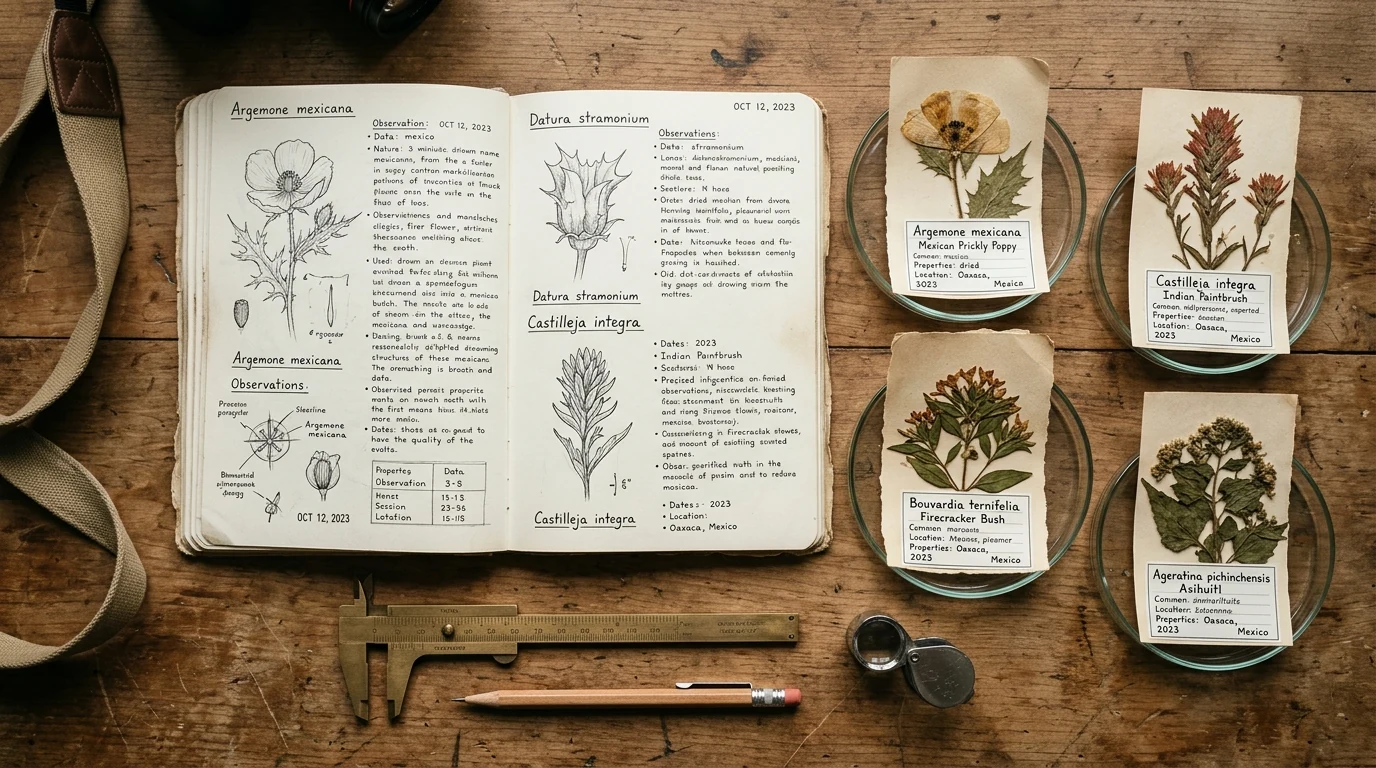
Top Recommended Books and Free UNAM PDF Resources
Navigating the vast world of Mexican herbalism requires a balance between ancestral wisdom and rigorous botanical science. To ensure safety and efficacy, it is essential to utilize resources that provide updated scientific names, preventing the common confusion caused by regional synonyms.
For those seeking authoritative guidance, we recommend a hybrid approach combining classic manuals with modern digital repositories:
- Academic Repositories (UNAM): The UNAM digital libraries offer invaluable free PDF resources. These scholarly papers provide peer-reviewed data on phytochemical properties and regional plant distribution across Mexico, bridging the gap between folk medicine and pharmacology.
- Classic Herbal Manuals: Comprehensive guides focusing on the Mexican flora are indispensable for practical therapeutic guidance. Look for editions that include high-resolution botanical illustrations and cross-referenced taxonomic updates.
- Specialized Pharmacopeias: These titles are critical for understanding precise dosages and contraindications, ensuring that traditional remedies are applied with scientific precision.
Prioritizing resources that integrate updated nomenclature ensures that your botanical practice is not only culturally rich but scientifically sound and safe.
¿Deseas profundizar en Mejores libros de herbolaria mexicana con nombres científicos actualizados?
Consulta la selección de libros oficiales, manuales de botica y hierbas auténticas disponibles en Amazon con envío prioritario:
Check Prices and Deals on Amazon ↗Frequently Asked Questions about Mexican Herbalism Books
Where can I find free UNAM PDFs on Mexican herbalism?
UNAM and its associated institutes often publish open-access botanical and ethnobotanical materials through institutional repositories such as repositorio.unam.mx and Tesis UNAM. Search for terms like 'herbolaria mexicana', 'plantas medicinales', or 'Atlas de las Plantas de la Medicina Tradicional Mexicana' to locate downloadable PDFs and theses.
Why do some Mexican medicinal plants have different scientific names in older books?
Botanical taxonomy is regularly revised as DNA studies and global nomenclature standards change. Older herbal guides may list outdated binomials or synonyms, so cross-checking with current UNAM, Kew Plants of the World Online, or Flora of Mexico references ensures you are using the correct species and safety data.