Mejores libros de herbolaria mexicana clásicos (ediciones antiguas)
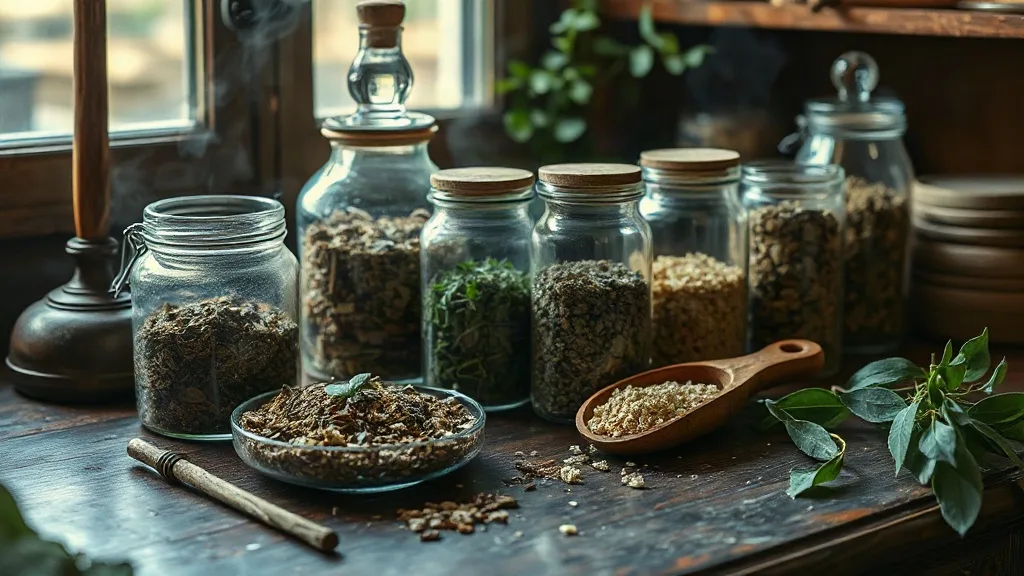

Key Summary: For authentic Mexican herbalism, prioritize the Códice Badiano for indigenous roots and 19th-century pharmacopeias for colonial rigor. These classics blend ancestral wisdom with early botanical science, offering an indispensable, rigorous foundation for anyone seeking the historical essence of Mexico's traditional medicinal heritage.
Why Collect and Study Classic Mexican Herbalism Books?
Collecting vintage Mexican herbals is more than a pursuit of nostalgia; it is an act of cultural preservation. These classic editions serve as vital archives of Indigenous and mestizo wisdom, capturing a sophisticated understanding of biodiversity that often vanishes in modern summaries. Unlike contemporary guides, antique texts preserve pre-modern nomenclature and intricate traditional preparations—specific dosages and ritualistic applications—that have been diluted over time.
In an era of instant information, the risks of relying on unverified online recipes are significant. Digital snippets often lack the rigorous context and ancestral lineage found in scholarly vintage works, leading to potential inaccuracies in plant identification or usage. For the serious practitioner, these books provide a necessary anchor of authenticity.
Beyond the apothecary, these volumes are indispensable tools for a diverse range of experts:
- Historians: To trace the evolution of colonial and post-colonial medicine.
- Ethnobotanists: To document lost plant varieties and traditional ecological knowledge.
- Serious Herbalists: To deepen their practice through primary sources and time-tested methodologies.
By studying these classics, we ensure that the profound botanical legacy of Mexico remains a living, breathing science rather than a forgotten footnote.
Key Classic Works and Authors Every Herbal Library Should Have
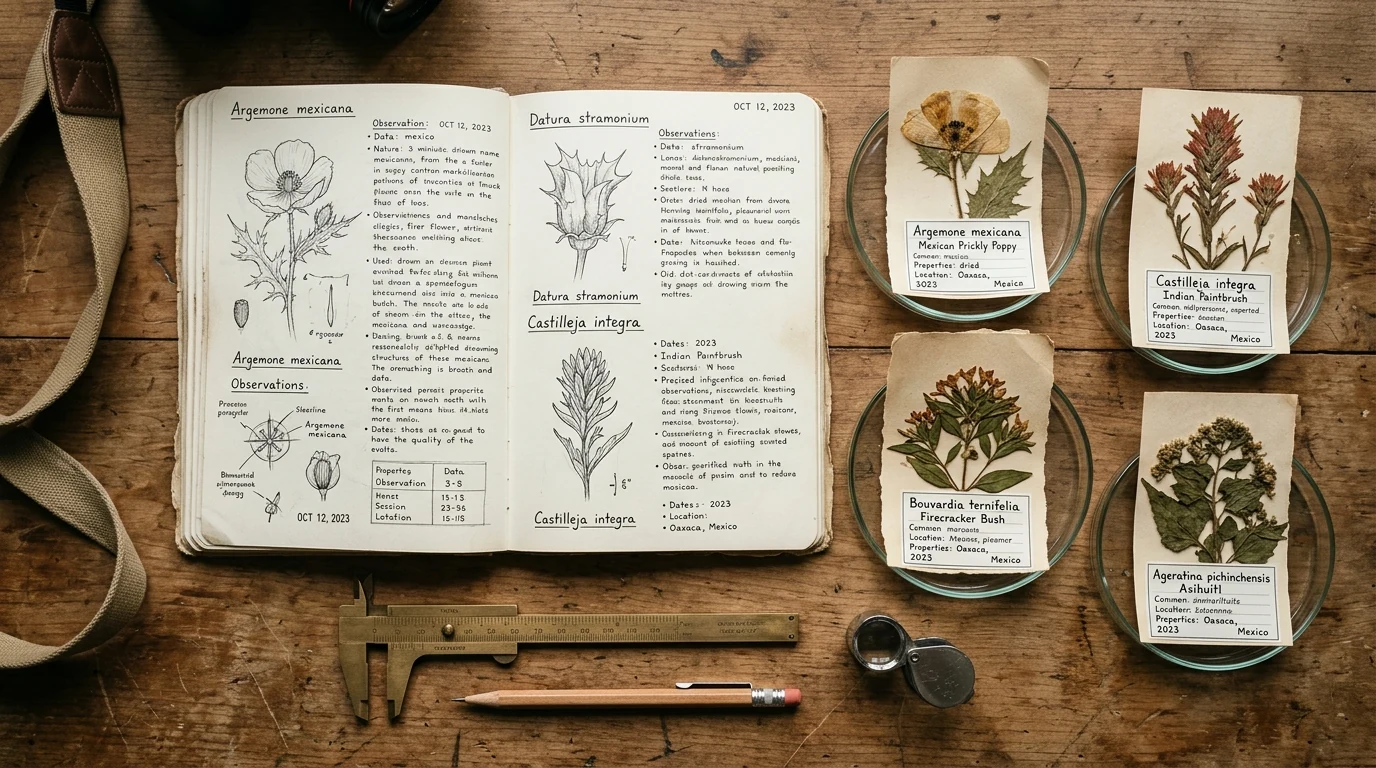
Building a definitive collection of Mexican herbalism requires a strategic journey through the centuries, tracing the evolution of botanical knowledge from colonial encounters to modern scientific rigor. To curate a library of historical significance, start with these landmark pillars:
- The Libellus de Medicinalibus Indorum Herbis (1552): The earliest known herbal of the Americas, essential for understanding indigenous Nahua medicine.
- Francisco Hernández: Seek his comprehensive 16th-century accounts on New Spanish plants, which bridged the gap between Aztec wisdom and European science.
- Maximino Martínez: For mid-20th-century precision, his medicinal floras are indispensable for their taxonomic accuracy and regional depth.
When acquiring these titles, your choice depends on your ultimate objective. If your goal is academic research or daily study, high-quality scholarly facsimiles are superior; they offer legible typography, critical annotations, and preservation of the original layout without the fragility of age. However, for collectors and historians, original antique copies are priceless artifacts that capture the materiality of the era. Whether choosing a reproduction or a rarity, these works transform a simple shelf into a sanctuary of ancestral healing knowledge.
How to Evaluate, Source, and Preserve Vintage Herbal Editions
Acquiring a classic Mexican herbal is a balance between historical investment and scholarly utility. Collectors must first decide between original antiquarian copies—prized for their provenance and tactile history—and modern facsimiles, which offer accessibility and protection of the original source without the prohibitive cost.
When evaluating originals, condition grading is paramount. Focus on the integrity of the binding, the presence of all original plates, and the absence of foxing or acidity. Price ranges vary wildly based on rarity; a first edition may command thousands, while later reprints are more attainable. To ensure authenticity, source through trusted antiquarian dealers or specialized auction houses.
For those seeking knowledge over ownership, institutional digital archives provide invaluable high-resolution access. The Biodiversity Heritage Library and the UNAM digital repositories are gold standards for studying rare botanical texts without risking the physical medium.
To preserve fragile editions, adhere to these conservation essentials:
- Environment: Maintain a stable temperature and low humidity to prevent mold.
- Light: Store books away from direct sunlight to avoid ink fading.
- Handling: Use acid-free archival sleeves and avoid touching pages with bare hands to prevent oil transfer.
¿Deseas profundizar en Mejores libros de herbolaria mexicana clásicos (ediciones antiguas)?
Consulta la selección de libros oficiales, manuales de botica y hierbas auténticas disponibles en Amazon con envío prioritario:
Check Prices and Deals on Amazon ↗Frequently Asked Questions about Mexican Herbalism Books
What makes a Mexican herbal book a "classic" or collectible edition?
A classic Mexican herbal is typically an early or mid-20th-century (or earlier) work that documents traditional Indigenous or mestizo medicinal plant knowledge, uses historical botanical nomenclature, and has influenced later ethnobotanical or medical literature. Collectible value rises with original bindings, intact plates, limited print runs, and documented provenance.
Is it safe to use old herbal manuals for self-medication today?
No. Vintage herbals are best used as historical, cultural, and botanical references. Traditional dosages, plant names, and safety information may be outdated or inaccurate, and some listed plants can be toxic. Always cross-check with modern pharmacological sources and consult a qualified healthcare professional before using any medicinal plant.