Mejores libros de herbolaria indígena de México
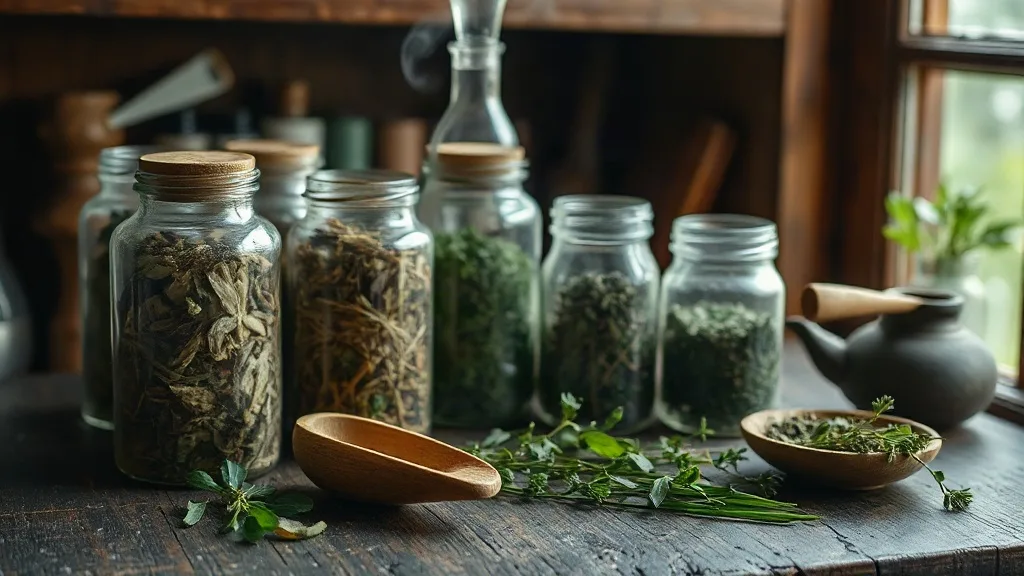
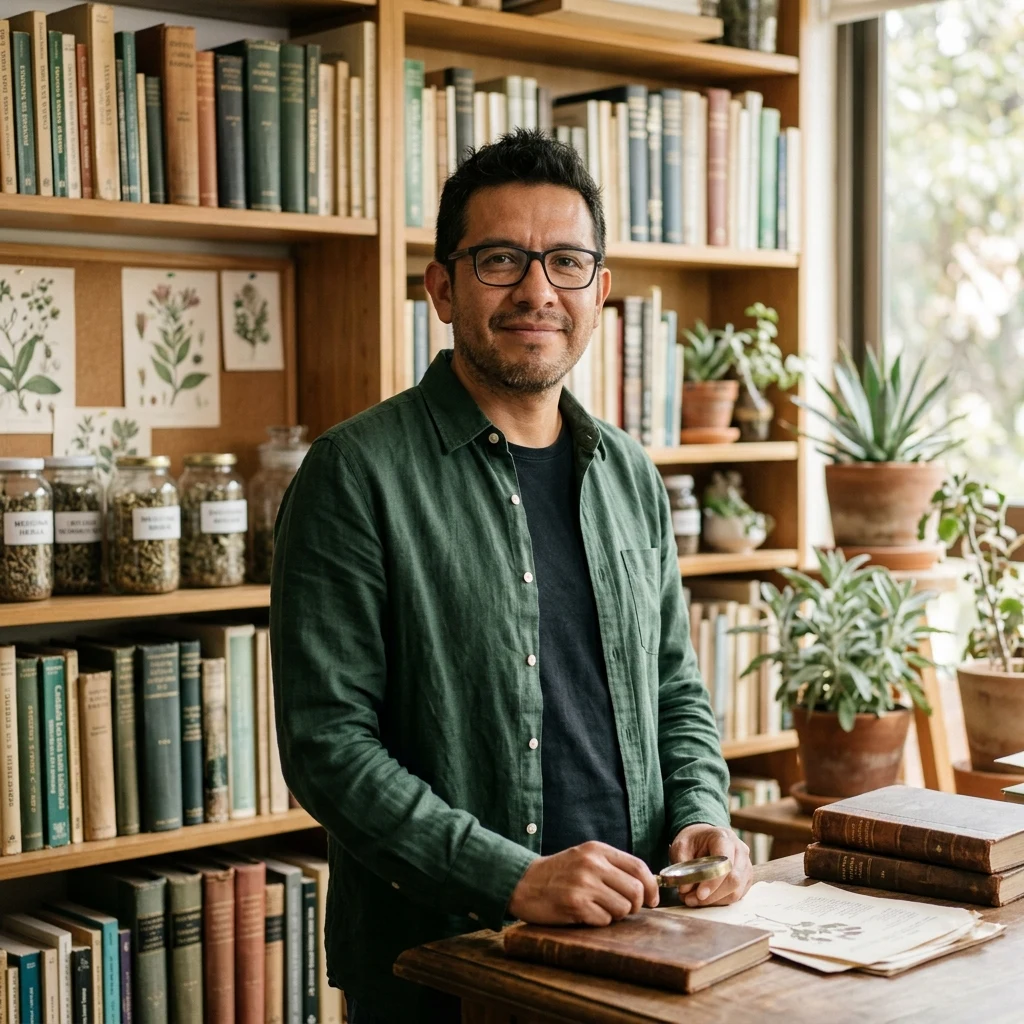
Key Summary: For authentic Mexican indigenous herbalism, prioritize works by ethnobotanists like Juan Carlos Galeana or academic compilations from UNAM. Look for texts blending ancestral wisdom with scientific validation. These sources offer a reliable, respectful, and didactic bridge between traditional healing practices and modern botanical knowledge.
Why are the best books on Mexican indigenous herbalism important?
Exploring the best literature on Mexican indigenous herbalism is not merely an academic exercise; it is a journey into a sophisticated system of ancestral medicine that has sustained millions for millennia. These texts serve as vital bridges between ancient oral traditions and contemporary health practices, preserving a botanical intelligence that is increasingly threatened by modernization and environmental loss.
Understanding these foundations is crucial because indigenous herbalism offers a holistic perspective on wellness, where the plant is not just a chemical compound, but a living entity connected to the spirit and the earth. By studying authoritative guides, readers can:
- Preserve Cultural Heritage: Safeguard the linguistic and medicinal knowledge of groups like the Nahua, Maya, and Zapotec.
- Promote Biodiversity: Recognize the ecological importance of endemic species and the need for their conservation.
- Integrate Holistic Health: Discover complementary therapies that emphasize prevention and the balance between mind, body, and nature.
"To read about Mexican herbalism is to decode the pharmacy of the jungle and the mountain, transforming ancient wisdom into a tool for modern healing."
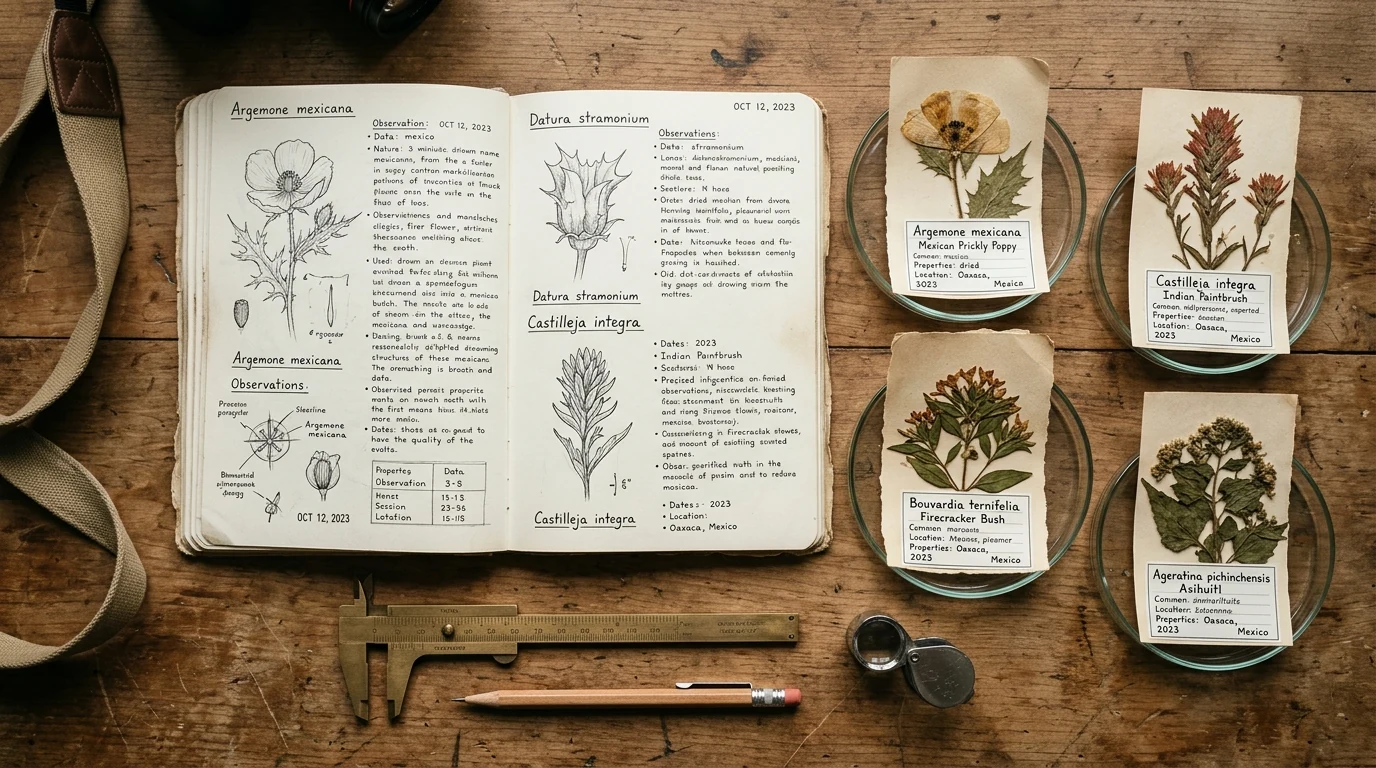
Main Plants, Preparations, and Recommended Methods
To transition from theoretical reading to practical application, the most esteemed texts on Mexican indigenous herbalism emphasize a holistic approach. These guides typically highlight "power plants" such as Damiana for vitality, Arnica for inflammatory relief, and Calendula for skin regeneration, blending ancestral wisdom with botanical precision.
The literature suggests that the efficacy of these plants depends heavily on the method of extraction. To maximize therapeutic properties, the following preparations are most recommended:
- Decoctions: Used for roots and barks to extract dense minerals and alkaloids through boiling.
- Infusions: Ideal for delicate leaves and flowers to preserve volatile oils.
- Tinctures: Alcohol-based extractions for long-term preservation and potent dosing.
- Poultices: Direct topical applications of crushed fresh herbs for localized healing.
"The secret of indigenous medicine lies not only in the plant itself, but in the intention and the respect for the cycle of the earth during its harvest."
By integrating these methods, practitioners can transform a simple library of books into a living pharmacy, ensuring that the ancient legacy of Mexico's biodiversity is applied safely and effectively.
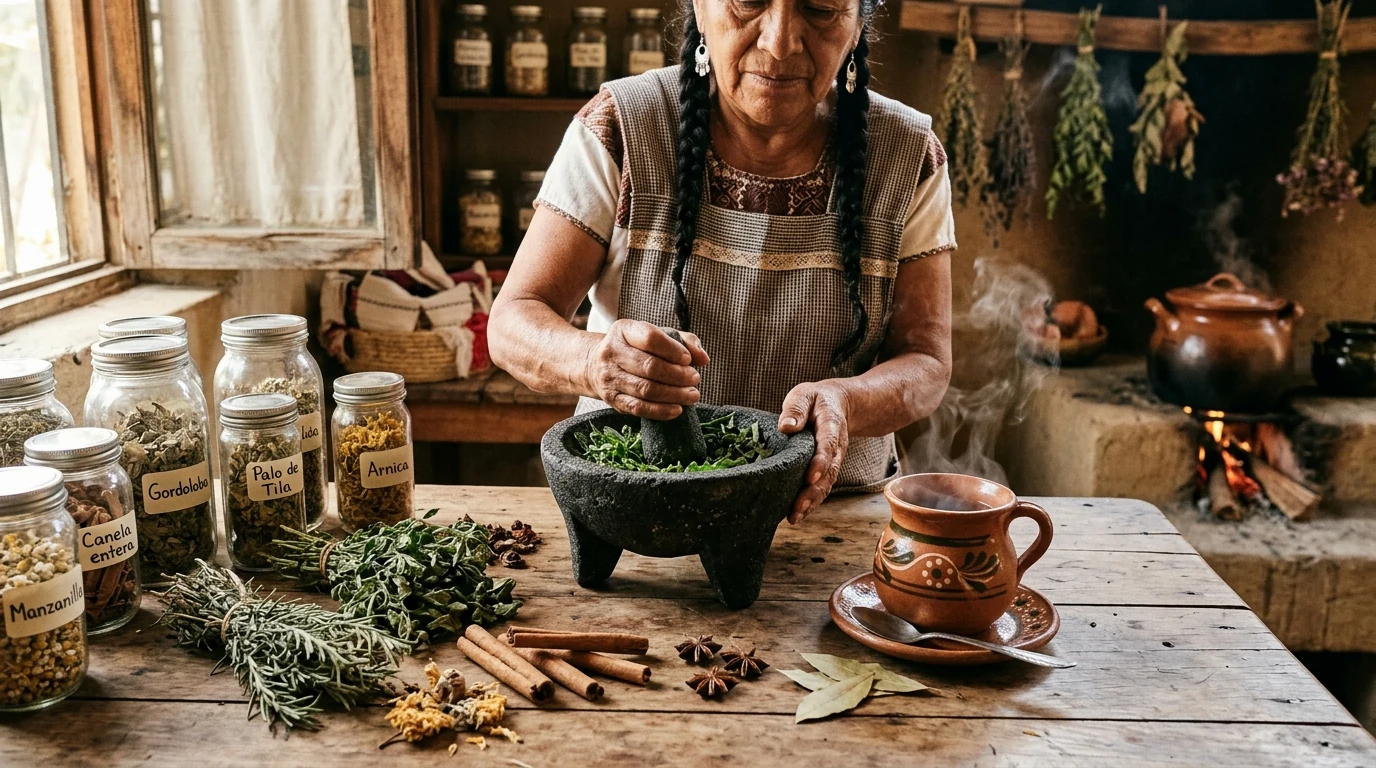
Safety Tips and Recommended Sources
Exploring the profound wisdom of Mexican indigenous herbalism is a rewarding journey, but it must be approached with caution and respect. Traditional medicine is a complex science; therefore, self-diagnosis can be risky. Always remember that natural does not automatically mean harmless. Some botanical species may cause adverse reactions or interfere with pharmaceutical medications.
To ensure a safe and enriching experience, we recommend following these essential guidelines:
- Consult a Professional: Before incorporating any herbal remedy into your routine, seek guidance from a certified healthcare provider or a recognized traditional healer (curandero).
- Verify Identification: Ensure the botanical names are accurate to avoid confusing therapeutic plants with toxic look-alikes.
- Prioritize Ethical Sources: Use literature backed by ethnobotanical research and academic institutions to avoid misinformation.
"The true value of indigenous herbalism lies in the balance between ancestral knowledge and scientific validation."
For those seeking authoritative knowledge, we suggest consulting the archives of the National Institute of Anthropology and History (INAH) and specialized botanical monographs from Mexican universities, which provide the necessary rigor to practice herbolaria safely.
¿Deseas profundizar en Mejores libros de herbolaria indígena de México?
Consulta la selección de libros oficiales, manuales de botica y hierbas auténticas disponibles en Amazon con envío prioritario:
Check Prices and Deals on Amazon ↗Frequently Asked Questions about Mexican Herbalism Books
¿Cuál es el primer paso para mejores libros de herbolaria indígena de méxico?
Comenzar con fuentes verificadas y plantas de uso común seguro.
¿Dónde conseguir información y materiales confiables?
En libros especializados de herbolaria y distribuidores certificados de plantas.