Libros recomendados sobre la manzanilla mexicana
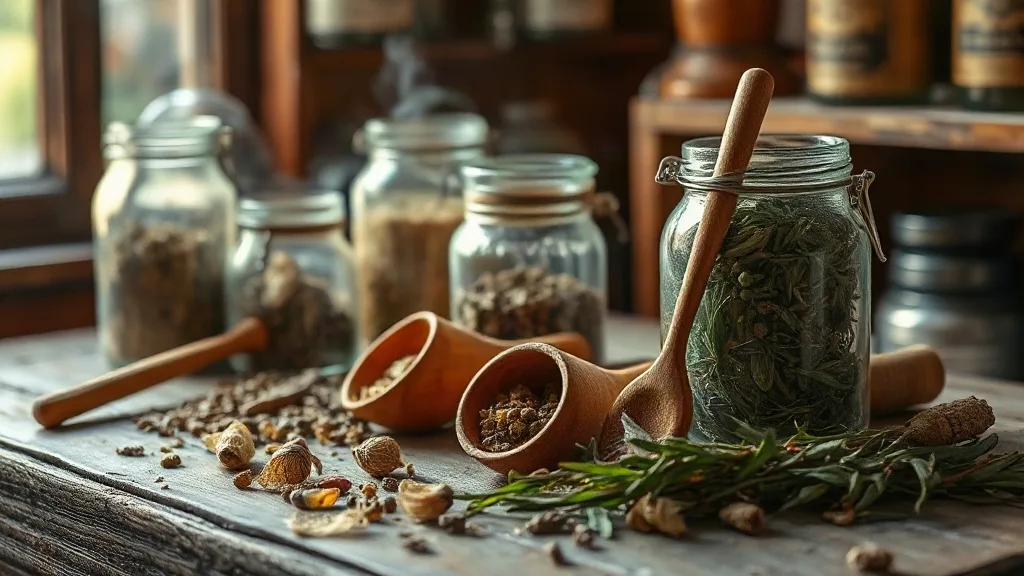

Key Summary: Specific books on Mexican chamomile are rare; instead, consult comprehensive botanical guides on Matricaria chamomilla or Mexican ethnobotany. For rigorous data, prioritize academic journals and pharmacological texts focusing on Mesoamerican flora to ensure scientific accuracy regarding its traditional uses and chemical properties.
Why Reliable Books Matter for Mexican Chamomile
Navigating the world of botanical medicine requires more than intuition; it demands precision. When dealing with Mexican Chamomile (*Manzanilla Mexicana*), the risks of relying on anecdotal evidence or unverified online sources are significant. The primary danger lies in misidentification, as several visually similar species may lack the desired therapeutic properties or, worse, contain toxic alkaloids that can lead to adverse reactions.
Furthermore, the inconsistency of common names creates a linguistic minefield. A plant labeled as "manzanilla" in one region may refer to an entirely different species in another, leading to dangerous errors in application. Without authoritative herbal literature, practitioners face the risk of unsafe dosing, as the concentration of active compounds varies wildly between species and cultivars.
To mitigate these risks, consulting scholarly, peer-reviewed texts is essential. Authoritative books provide:
- Botanical Rigor: Precise Latin nomenclature to eliminate naming confusion.
- Morphological Keys: Detailed guides for accurate field identification.
- Pharmacological Data: Evidence-based dosing guidelines to ensure user safety.
Ultimately, high-quality literature transforms a risky experiment into a safe, professional practice, ensuring that the healing potential of Mexican Chamomile is harnessed without compromise.
Top Recommended Books on Manzanilla Mexicana
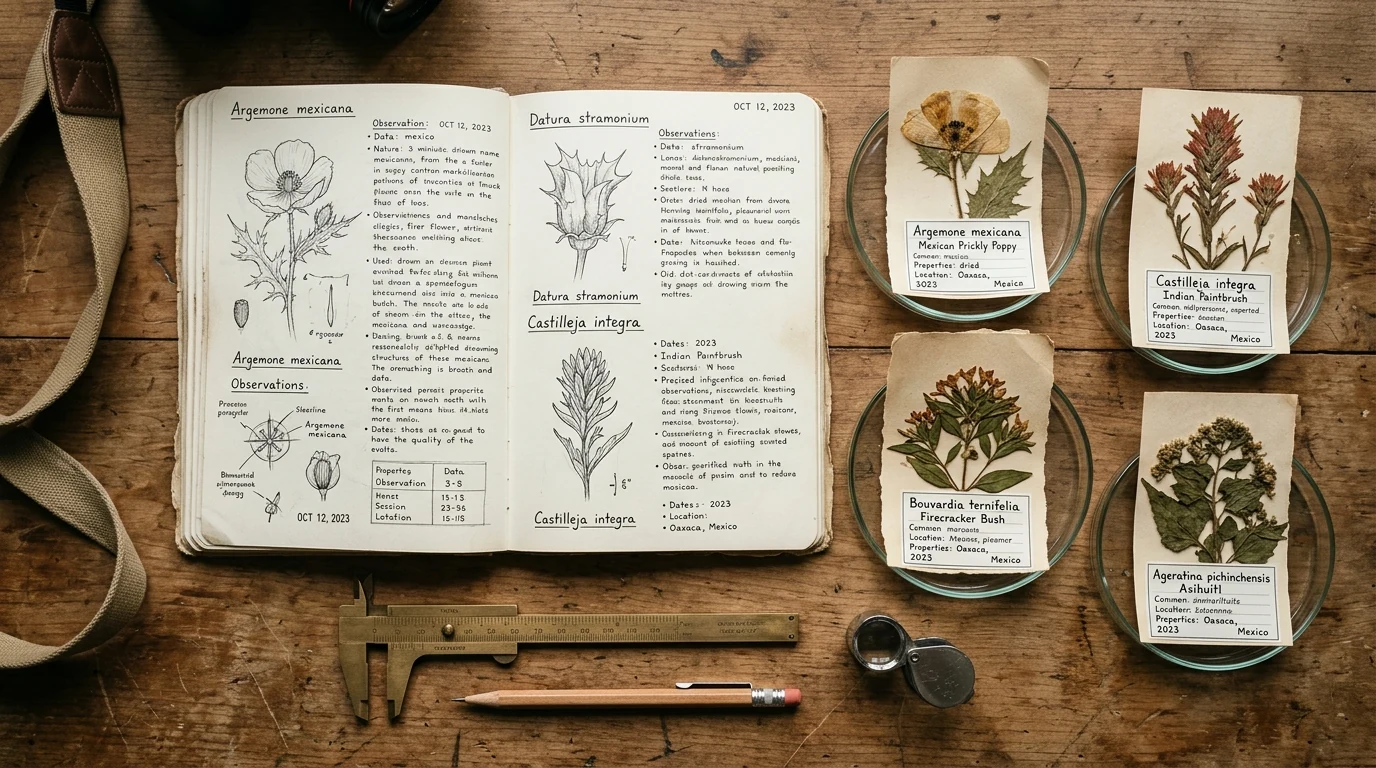
To truly master the application and understanding of Mexican Chamomile, one must delve into literature that bridges the gap between ancestral wisdom and modern pharmacology. Whether you are a botanist, a holistic practitioner, or a home enthusiast, the following curated titles provide a comprehensive framework for utilizing this potent botanical.
- Botanical Guides to Mesoamerican Flora: These essential volumes focus on precise botanical identification, ensuring the correct species is harvested while distinguishing Manzanilla from similar-looking wild daisies.
- Compendiums of Traditional Mexican Medicine: These works explore the cultural heritage and traditional uses of the plant, detailing how indigenous communities have utilized its soothing properties for generations.
- Pharmacognosy and Phytochemistry Manuals: For those seeking scientific rigor, these texts analyze the active compounds—such as chamazulene and bisabolol—explaining the chemical basis for its anti-inflammatory effects.
- The Artisan’s Guide to Herbal Preparations: A practical resource covering diverse preparation methods, from concentrated tinctures to therapeutic infusions, ensuring maximum potency.
- Clinical Herbalism & Safety Handbooks: Crucial reading for establishing safety guidelines, dosage limits, and potential contraindications to ensure a secure therapeutic experience.
How to Choose the Right Book for Your Needs
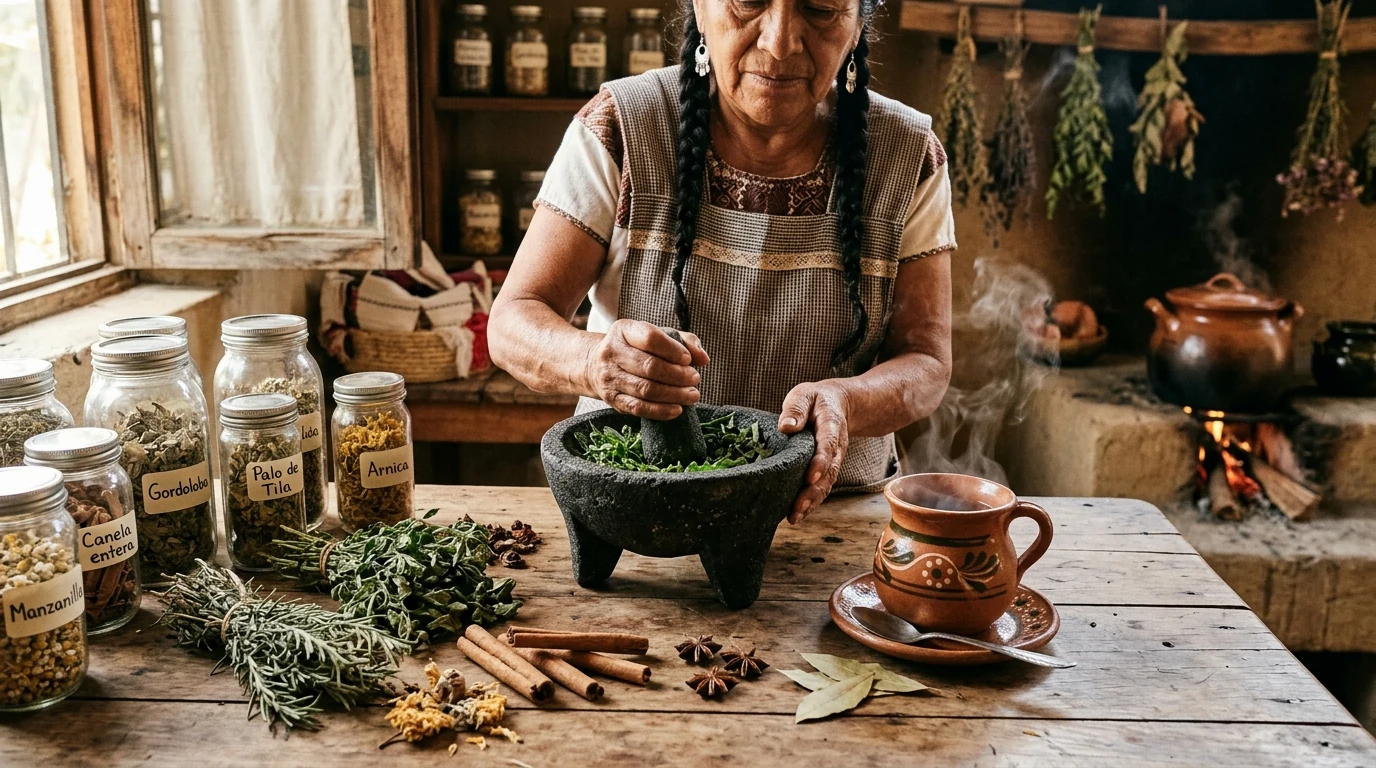
Selecting the ideal resource on Mexican Chamomile depends entirely on your goals, whether you are seeking a gentle introduction to home wellness or a rigorous scientific analysis of its phytochemical properties. To make the right choice, consider the balance between accessibility and technical depth.
- For Casual Readers: Look for guides focused on practical application. These books prioritize easy-to-follow recipes, traditional tea preparations, and general wellness tips without overwhelming you with botanical jargon.
- For Herbalists: Seek comprehensive manuals that bridge the gap between tradition and science. Prioritize texts that detail cultivation, harvesting cycles, and synergistic blending to enhance therapeutic efficacy.
- For Researchers: Opt for academic monographs or pharmacopeias. These provide the scientific depth required, focusing on clinical trials, chemical constituents, and pharmacological interactions.
Next Step: If you are unsure, start with a practitioner's handbook to understand the plant's versatility before diving into specialized botanical research.
¿Deseas profundizar en Libros recomendados sobre la manzanilla mexicana?
Consulta la selección de libros oficiales, manuales de botica y hierbas auténticas disponibles en Amazon con envío prioritario:
Check Prices and Deals on Amazon ↗Frequently Asked Questions about Mexican Herbalism Books
What is manzanilla mexicana and how is it different from other chamomiles?
Manzanilla mexicana refers to several aromatic plants used in Mexican herbalism, most commonly Tagetes lucida (Mexican tarragon or pericón) and related species. It differs from German chamomile (Matricaria chamomilla) and Roman chamomile (Chamaemelum nobile) in botanical identity, flavor, and traditional uses, so correct identification is essential.
Are books about manzanilla mexicana safe to follow for home remedies?
Reputable books provide valuable guidance, but safety depends on accurate plant identification, proper dosage, and individual health conditions. Always cross-reference multiple authoritative sources and consult a qualified herbalist or healthcare professional before using any remedy.