Libros de herbolaria mexicana sobre plantas medicinales para la respiración
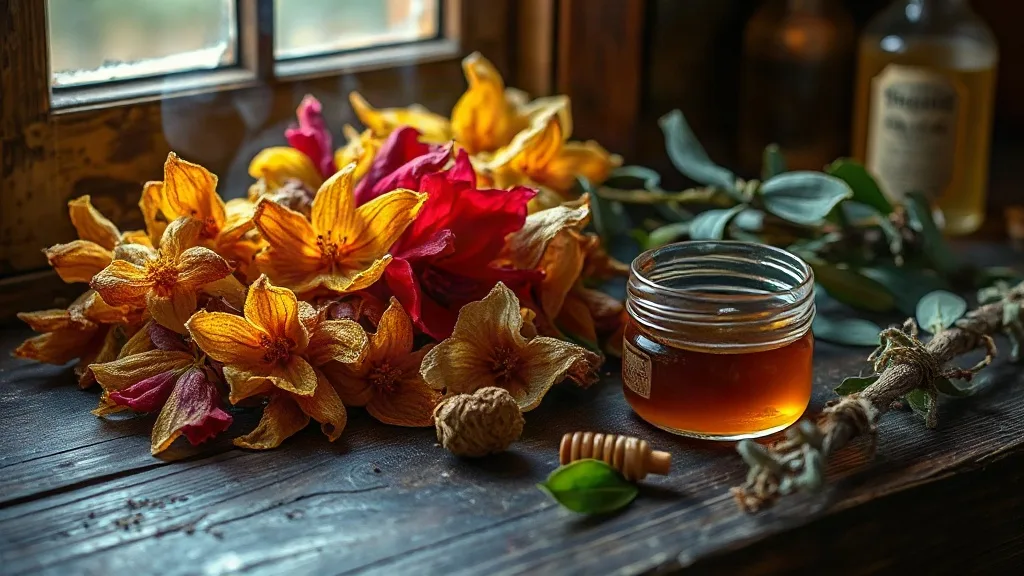

Key Summary: For respiratory health, prioritize authoritative guides like those by the *Instituto Nacional de Herbolaria*. Look for texts focusing on *Eucalyptus* and *Gordolobo*. Ensure the author integrates traditional Mexican knowledge with pharmacological rigor to guarantee safe, effective, and evidence-based botanical treatments for your lungs.
Why Mexican Herbology Still Matters for Respiratory Health
Mexico’s botanical legacy is not merely a collection of folklore; it is a sophisticated system of ancestral knowledge that has evolved over millennia. From the highlands of Oaxaca to the jungles of Yucatán, the use of endemic plants to treat respiratory ailments represents a bridge between cultural heritage and pharmacological potential. In an era where synthetic options often come with systemic side effects, the targeted, holistic approach of Mexican herbology offers a sustainable alternative for lung wellness.
However, the transition from tradition to application requires precision. The potency of a remedy depends entirely on botanical accuracy—distinguishing between a healing species and a toxic look-alike is critical. This is why relying on fragmented anecdotes is insufficient. To safely harness these benefits, readers need authoritative, scientifically backed guides that provide:
- Botanical Verification: Precise Latin nomenclature to ensure the correct species is used.
- Dosage Standardization: Clear guidelines to avoid toxicity and maximize therapeutic efficacy.
- Synergistic Combinations: Understanding how specific herbs interact to clear congestion or soothe inflammation.
Integrating these ancient wisdoms with modern botanical rigor ensures that respiratory health is managed with both heart and science.
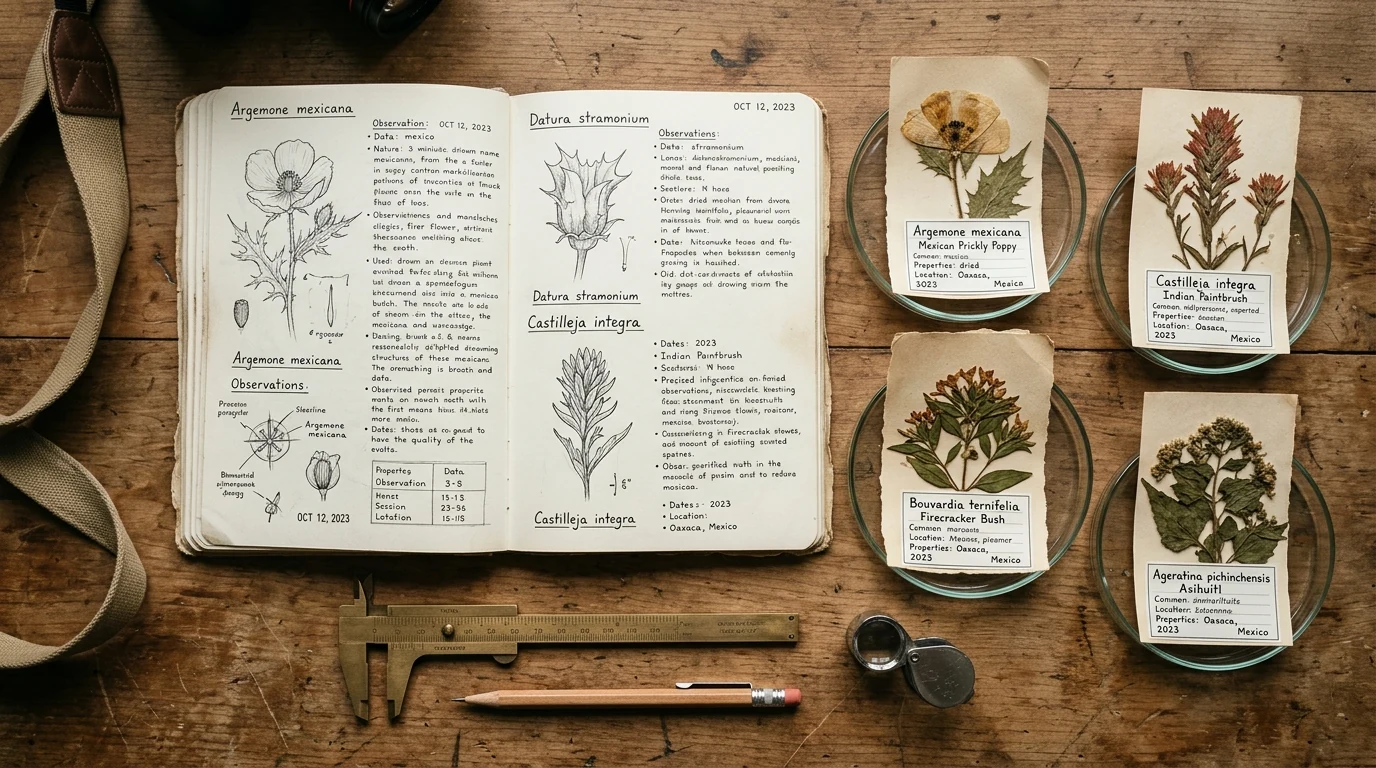
Top Medicinal Plants for the Respiratory System in Mexican Herbal Practice
Mexican herbalism is a vast repository of ancestral knowledge, blending indigenous wisdom with colonial influences to treat respiratory ailments. Specialist literature on Mexican herbology emphasizes a holistic approach, focusing on plants that act as expectorants, antitussives, and anti-inflammatories to clear the airways and soothe the lungs.
Among the most revered species described in authoritative texts are:
- Gordolobo (Mullein): Highly valued for its saponins, it is used to treat chronic bronchitis and asthma by facilitating mucus expulsion.
- Eucalipto (Eucalyptus): Rich in eucalyptol, it serves as a powerful decongestant and antiseptic for the upper respiratory tract.
- Tlaquimaltli (Mexican Oregano): Recognized for its antimicrobial properties, often used to combat seasonal flu and coughs.
According to specialized botanical manuals, the efficacy of these plants depends strictly on the method of preparation. Authors typically recommend decoctions for roots and barks to extract denser compounds, and infusions for leaves and flowers to preserve volatile oils. Dosage is carefully calibrated based on the plant's concentration, often suggesting standardized measurements—such as grams per liter of water—to ensure therapeutic safety and maximum respiratory relief.
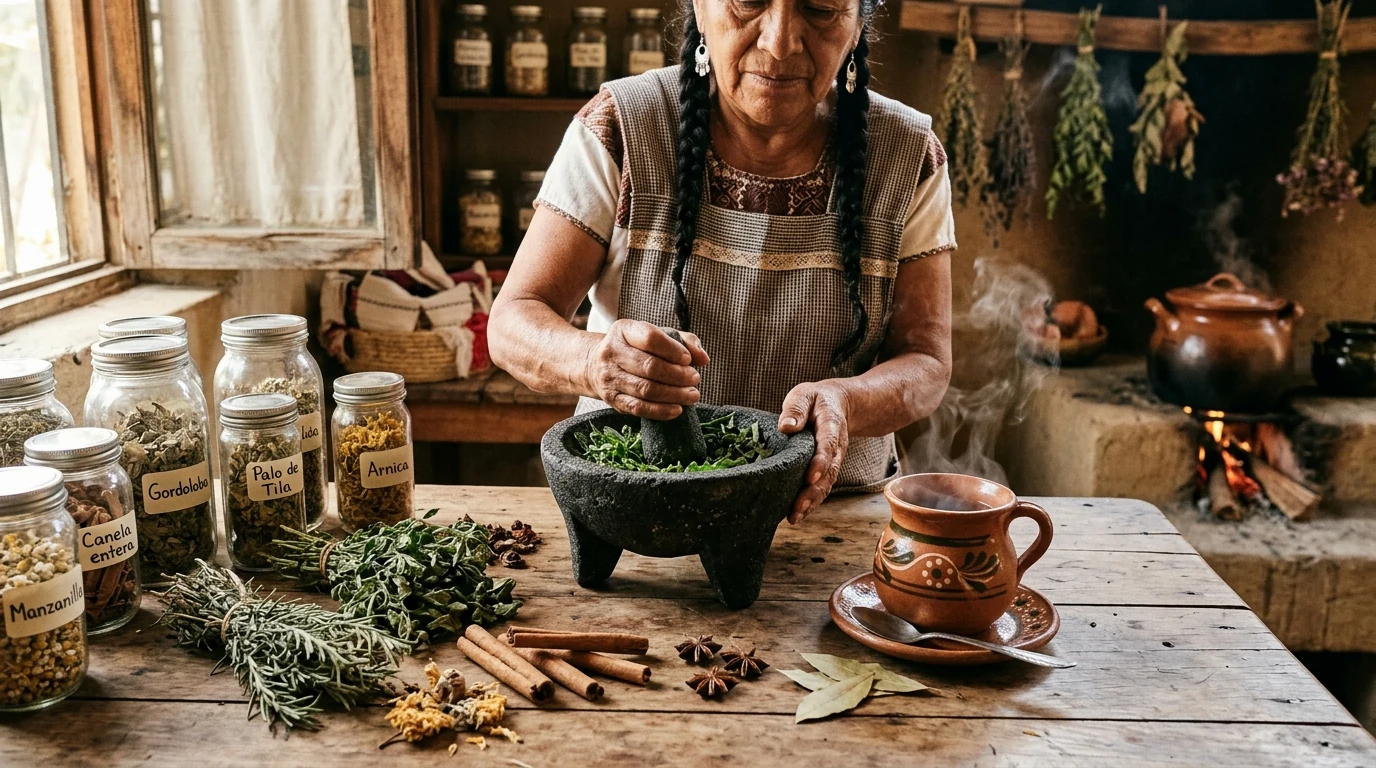
How to Choose a Reliable Mexican Herbology Book
Selecting a trustworthy guide on Mexican herbalism, particularly for respiratory health, requires a balance between ancestral wisdom and scientific rigor. Not all manuals are created equal; a reliable source must transcend simple lists of plants and provide a comprehensive framework for safe application.
When evaluating titles, prioritize authors who integrate botanical identification—including high-resolution imagery or precise Latin nomenclature—to prevent dangerous misidentifications of species. A high-quality text should not only list benefits but also include critical safety warnings, such as contraindications, dosage limits, and potential drug interactions.
To ensure the information is actionable and safe, look for these key criteria:
- Integration with Modern Phytotherapy: The book should bridge the gap between traditional usage and current pharmacological evidence.
- Source Transparency: Preference for authors who cite ethnobotanical studies or recognized Mexican pharmacopeias.
- Specialization: Look for sections specifically dedicated to the respiratory system, detailing the difference between expectorants, demulcents, and anti-inflammatories.
"The gold standard in Mexican herbology is a text that respects the tradition of the curandero while adhering to the safety standards of modern botany."
¿Deseas profundizar en Libros de herbolaria mexicana sobre plantas medicinales para la respiración?
Consulta la selección de libros oficiales, manuales de botica y hierbas auténticas disponibles en Amazon con envío prioritario:
Check Prices and Deals on Amazon ↗Frequently Asked Questions about Mexican Herbalism Books
What are the most trusted Mexican herbology books for respiratory plants?
Look for titles authored by ethnobotanists, clinical herbalists, or recognized Mexican healers that include botanical identification, preparation methods, dosage, and safety profiles for respiratory plants such as eucalyptus, mullein, and Mexican arnica.
Are medicinal plants for breathing safe to use without a doctor?
Some plants can support respiratory wellness, but they may interact with medications or worsen certain conditions. Always consult a healthcare professional and use reputable herbology books only as educational references.