Libros de herbolaria mexicana sobre plantas medicinales para la digestión
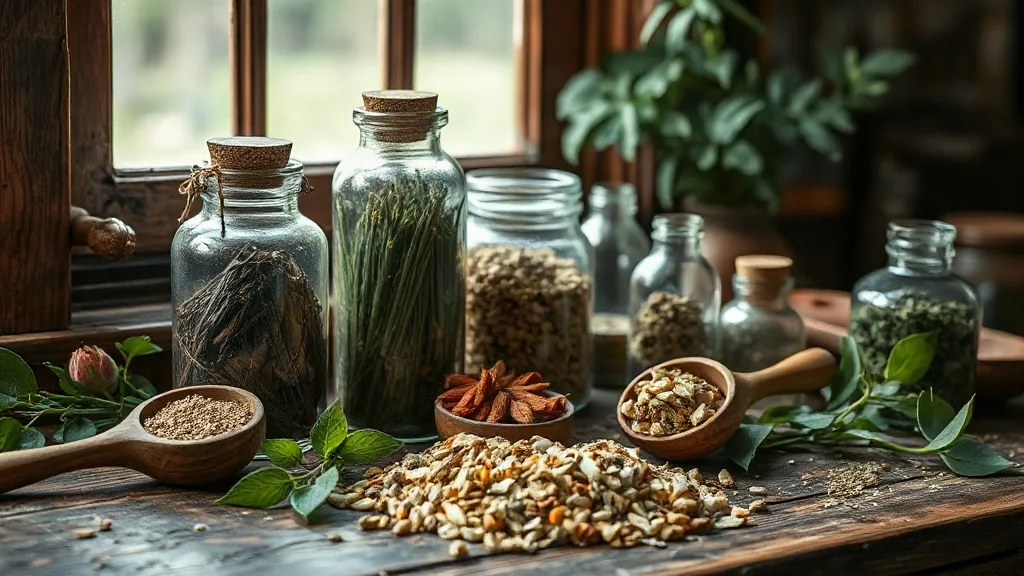

Key Summary: For Mexican herbalism focused on digestion, prioritize titles by recognized ethnobotanists or the *Farmacopea Herbolaria de México*. Look for evidence-grounded guides highlighting plants like *estafiate* or *guayaba*. Always cross-reference traditional uses with clinical data to ensure safety and efficacy for gastrointestinal health.
Why Mexican Herbalism Still Matters for Digestive Health
For centuries, Mexican herbalism has served as a sophisticated blueprint for wellness, blending ancestral wisdom with a profound understanding of biodiversity. In an era of processed diets and chronic stress, this traditional knowledge remains vital, offering a holistic alternative to manage common digestive complaints that often resist quick-fix synthetic solutions.
Modern phytotherapy validates what traditional healers have known for generations: specific botanical compounds can modulate the gastrointestinal system with precision. By integrating the teachings found in authoritative books on Mexican medicinal plants, we can address specific ailments through targeted natural actions:
- Bloating and Gas: Carminative herbs like estafiate help expel gas and soothe intestinal spasms.
- Indigestion: Bitter principles found in native flora stimulate bile production and optimize nutrient absorption.
- Irregularity: Gentle laxative and prebiotic plants support peristalsis and restore a healthy microbiome balance.
"The synergy between traditional Mexican botany and modern science transforms simple plants into powerful therapeutic tools for restoring digestive harmony."
Ultimately, embracing these herbal traditions is not about rejecting modernity, but about enriching it with time-tested remedies that treat the root cause of digestive distress.
Key Medicinal Plants and How to Use Them Safely
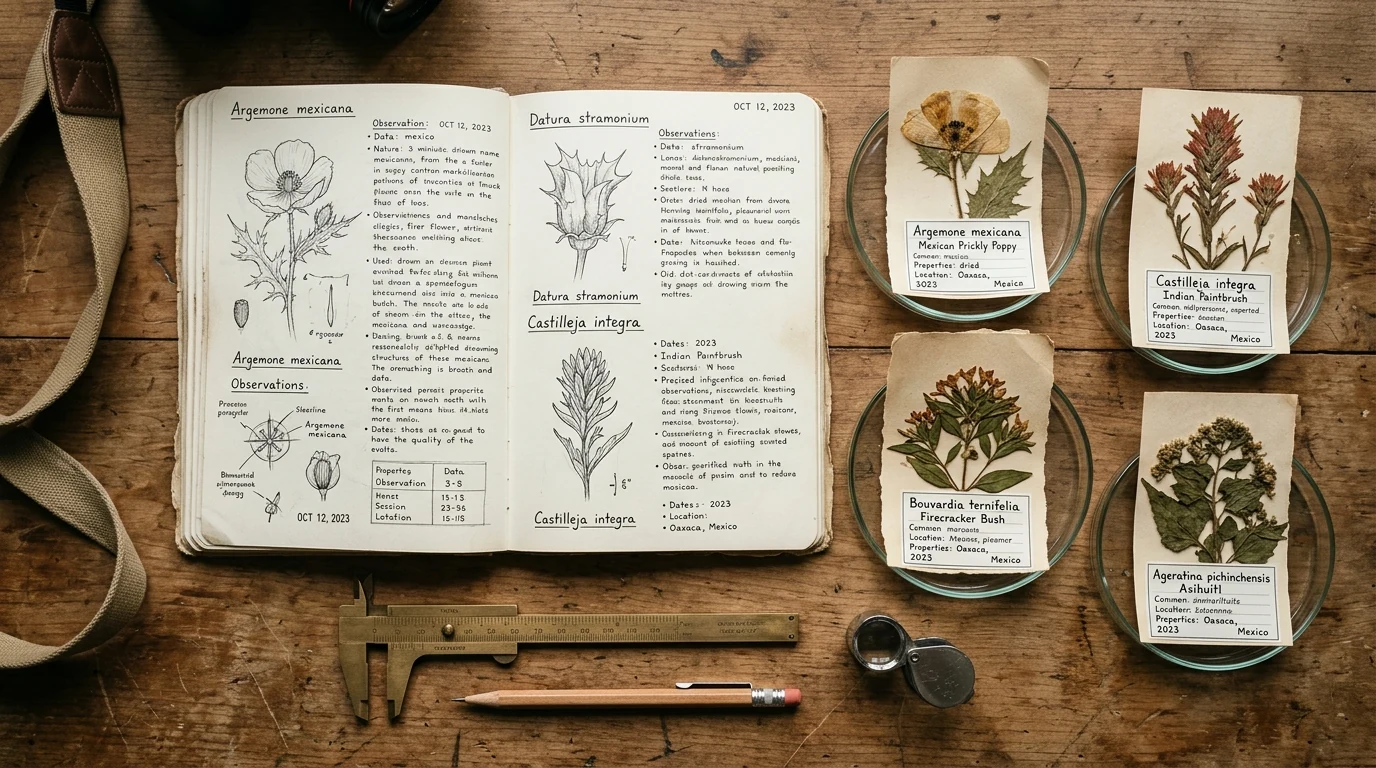
Mexican herbalism offers a sophisticated pharmacopeia for digestive wellness. To harness these botanicals effectively, one must balance traditional wisdom with precise pharmacological caution. Below are the primary profiles for gastrointestinal support:
- Damiana (Turnera diffusa): Recognized by its small yellow flowers and lanceolate leaves. Rich in flavonoids and saponins, it is used to soothe stomach spasms.
Usage: Steep 1-2 grams of dried leaves in hot water. Avoid during pregnancy.
- Mexican Mint (Mentha spicata): Identified by its aromatic, serrated green leaves. Its active menthol compounds relax the smooth muscles of the GI tract.
Usage: Infuse a handful of fresh leaves in boiling water. Use sparingly if suffering from GERD.
- Chamomile (Matricaria chamomilla): Distinguished by daisy-like blooms. Containing apigenin, it reduces inflammation and gas.
Usage: Brew 1 tablespoon of dried flowers per cup. Caution is advised for those with ragweed allergies.
When integrating these herbs, always prioritize botanical verification to avoid toxic look-alikes. Start with low dosages to monitor individual sensitivity and consult a healthcare provider if you are taking synthetic medications to prevent adverse herb-drug interactions.
Top Books on Mexican Herbalism for Digestion: A Curated Comparison
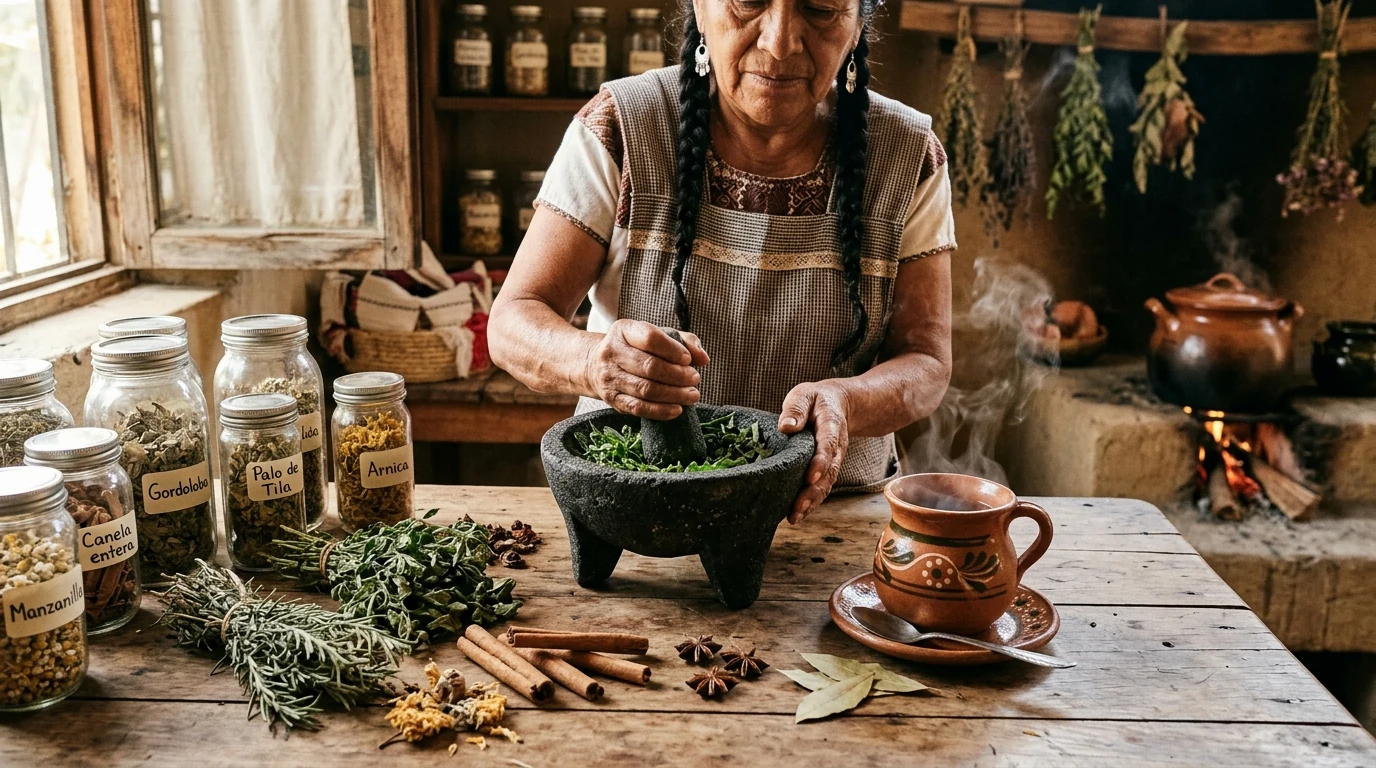
Navigating the vast landscape of Mexican ethnobotany requires a guide that balances ancestral wisdom with botanical precision. When seeking relief for digestive ailments—from soothing gastritis to optimizing metabolic function—the right resource depends entirely on your current level of expertise and goals.
- For the Absolute Beginner: Look for introductory guides focused on "Remedios Caseros." These titles are ideal for those seeking quick, accessible recipes for digestive teas and infusions using common market herbs like chamomile and mint.
- For the Aspiring Practitioner: Comprehensive encyclopedias of Mexican Materia Medica are essential. These works provide deep dives into the pharmacology of native species, offering detailed dosages and contraindications for treating complex gastrointestinal issues.
- For the Medicinal Gardener: Specialized manuals on the cultivation of endemic species are best. These resources bridge the gap between botany and healing, teaching you how to grow potent digestive bitters and carminatives in your own backyard.
Choosing the right book ensures that your journey into Mexican herbalism is not only effective for your digestive health but safe and grounded in authentic cultural tradition.
¿Deseas profundizar en Libros de herbolaria mexicana sobre plantas medicinales para la digestión?
Consulta la selección de libros oficiales, manuales de botica y hierbas auténticas disponibles en Amazon con envío prioritario:
Check Prices and Deals on Amazon ↗Frequently Asked Questions about Mexican Herbalism Books
Are Mexican medicinal plants for digestion safe to use at home?
Many are safe when used correctly, but safety depends on accurate identification, proper dosage, and individual health conditions. Always consult a qualified healthcare provider before use, especially during pregnancy or when taking medications.
What should I look for in a Mexican herbalism book about digestion?
Look for clear botanical identification, evidence-based dosage guidance, preparation instructions, safety warnings, and references to traditional use backed by modern research.