Libros de herbolaria mexicana sobre plantas medicinales para la circulación
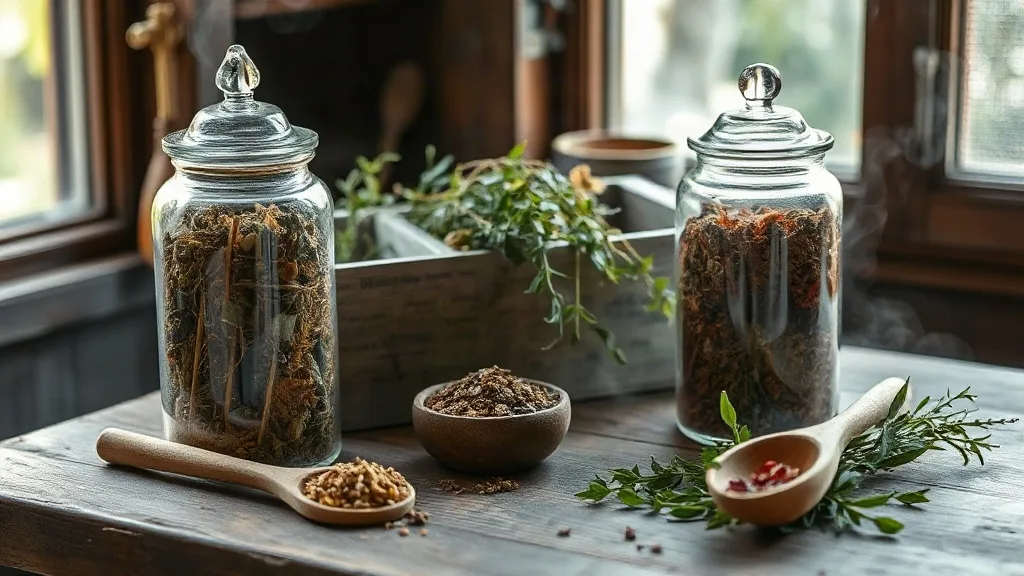

Key Summary: For circulation, prioritize authoritative guides like those from the UNAM or specialized Mexican ethnobotany texts. Look for evidence-based manuals that balance ancestral wisdom with modern safety protocols, ensuring you verify dosages and contraindications to safely integrate traditional Mexican botanicals into your cardiovascular wellness routine.
Why Blood Circulation Matters and What Mexican Herbalism Offers
Efficient blood circulation is the cornerstone of vitality. It acts as the body’s internal logistics system, delivering essential oxygen and nutrients to organs while flushing out metabolic waste. When circulation falters, the body experiences fatigue, inflammation, and a diminished capacity for cellular repair, affecting everything from cognitive function to joint mobility.
Mexico’s rich botanical heritage offers a sophisticated approach to supporting this system. Rooted in ancestral wisdom and validated by contemporary ethnobotany, Mexican herbalism utilizes potent plants—such as Cúrcuma and various native berries—to optimize blood flow, reduce viscosity, and strengthen vascular walls.
A Note on Integrative Health: While herbal guides provide invaluable tools for wellness, they are designed to complement, not replace, professional medical treatment. Herbal support is most effective when used as a preventative measure or a supportive therapy under clinical supervision.
By integrating these traditional remedies, you can achieve a synergistic balance between modern science and nature, focusing on:
- Enhancing peripheral circulation to reduce limb numbness.
- Supporting cardiovascular elasticity and heart health.
- Reducing systemic inflammation through natural antioxidants.
Key Medicinal Plants for Circulation in Mexican Herbal Literature
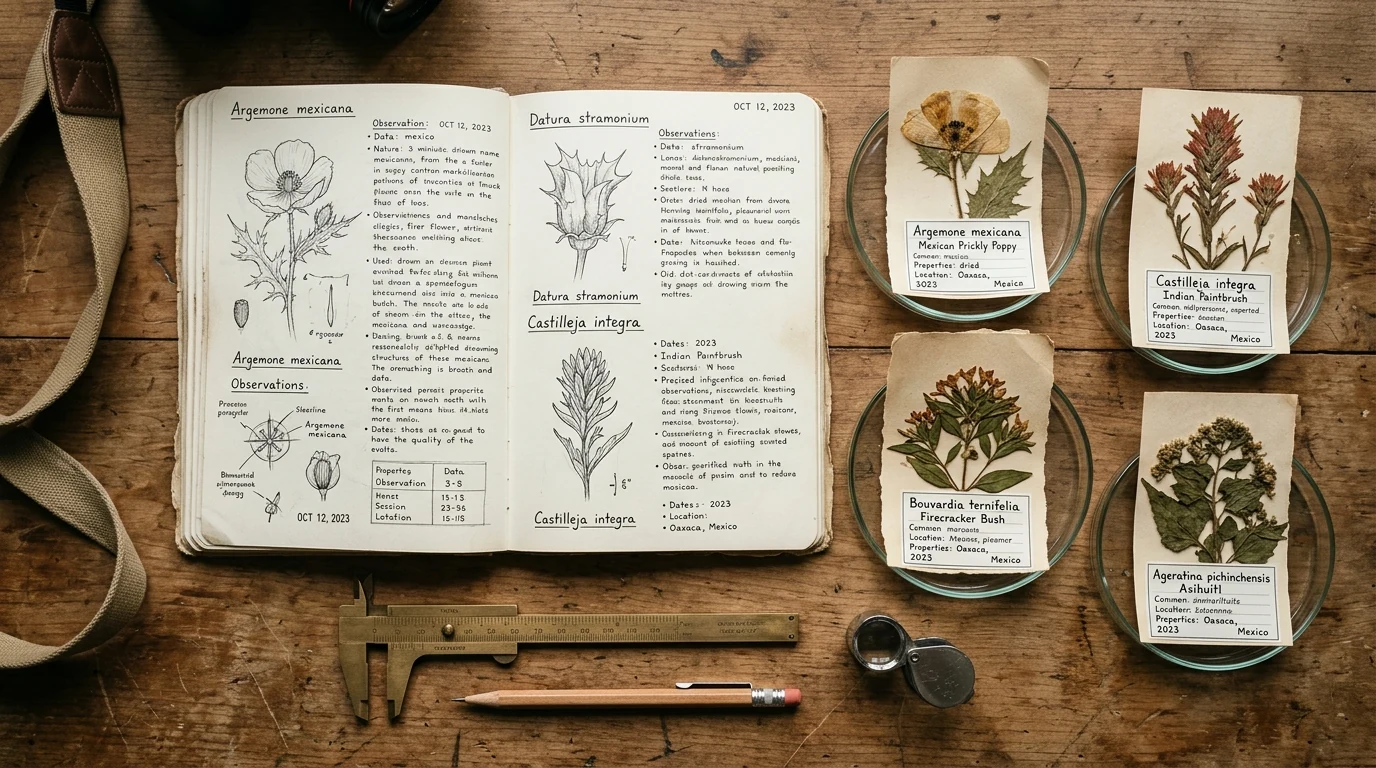
Mexican herbal literature extensively documents a rich pharmacopeia dedicated to enhancing blood flow and treating vascular insufficiencies. Central to these texts are plants that act as vasodilators and venous tonics, blending ancestral wisdom with phytochemical evidence.
Among the most revered species are Castillo (Horse Chestnut) and Higuera (Fig leaf), though the Mexican Ginkgo and various Arnica species are frequently cited for reducing inflammation and stimulating peripheral circulation. These plants typically contain active compounds such as flavonoids, saponins, and terpenes, which strengthen capillary walls and inhibit platelet aggregation.
To ensure efficacy and safety, traditional literature recommends the following preparation method for a circulatory infusion:
- Selection: Use dried leaves or roots from a certified organic source to avoid contaminants.
- Dosage: Measure one teaspoon of the herb per 250ml of filtered water.
- Infusion: Bring water to a boil, remove from heat, and steep the herb for 5 to 10 minutes.
- Administration: Strain and consume warm, typically twice daily, avoiding intake immediately before sleep.
Note: Always consult a healthcare provider before starting herbal treatments, as these plants may interact with anticoagulant medications.
Comparing the Best Books and How to Choose the Right One
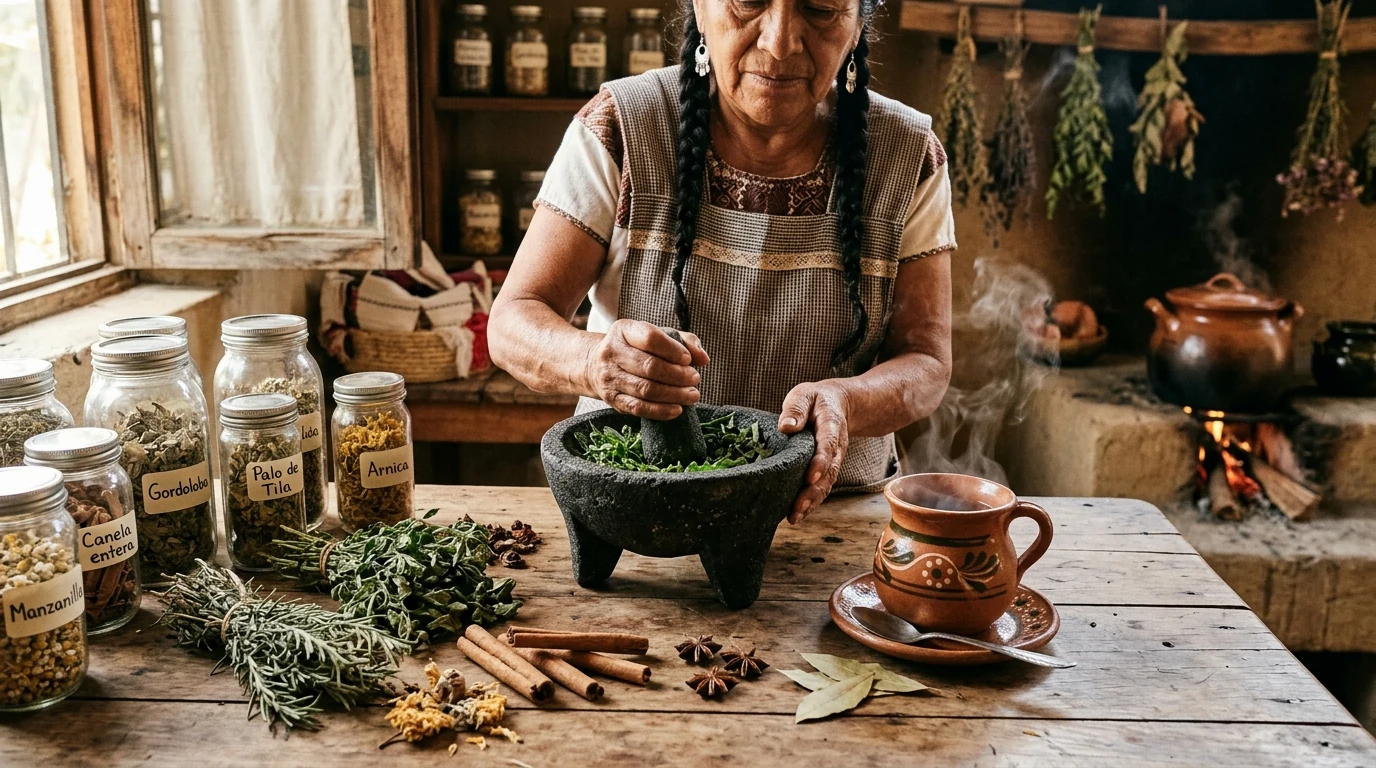
Navigating the vast landscape of Mexican herbalism requires a discerning eye, especially when seeking remedies for circulatory health. While many guides offer general folklore, the most reliable resources distinguish themselves through a rigorous balance of ancestral wisdom and pharmacological precision.
When comparing top-tier titles, evaluate them based on these four critical pillars:
- Botanical Accuracy: Ensure the book provides scientific Latin names to avoid dangerous misidentifications of species.
- Depth of Research: Look for authors who bridge the gap between traditional indigenous use and modern clinical studies.
- Dosage Guidance: A high-quality resource will offer specific measurements and preparation methods rather than vague suggestions.
- Safety Focus: Prioritize books that explicitly list contraindications and potential drug interactions, particularly for circulation-boosting herbs.
Pro Tip: The ideal resource for circulatory health is one that treats herbalism as a complementary science. If a book promises "miracle cures" without mentioning safety precautions or professional consultation, it is likely an unreliable source.
By selecting a guide that prioritizes safety and botanical rigor, you transform a simple reading experience into a secure pathway toward holistic wellness.
¿Deseas profundizar en Libros de herbolaria mexicana sobre plantas medicinales para la circulación?
Consulta la selección de libros oficiales, manuales de botica y hierbas auténticas disponibles en Amazon con envío prioritario:
Check Prices and Deals on Amazon ↗Frequently Asked Questions about Mexican Herbalism Books
What are the best Mexican herbalism books for blood circulation?
The best titles combine botanical identification, traditional uses, dosage guidance, and safety data for circulation-supporting plants such as ginkgo, hawthorn, garlic, hibiscus, and Mexican native herbs; look for books authored by ethnobotanists, clinical herbalists, or recognized Mexican traditional medicine institutions.
Are Mexican medicinal plants for circulation safe to use?
Many are traditionally regarded as safe when used correctly, but they can interact with blood thinners, blood pressure medications, or heart conditions; always consult a healthcare professional and follow the dosage and contraindications provided in reputable herbalism books.