Libros de herbolaria mexicana sobre plantas medicinales para el sistema reproductivo
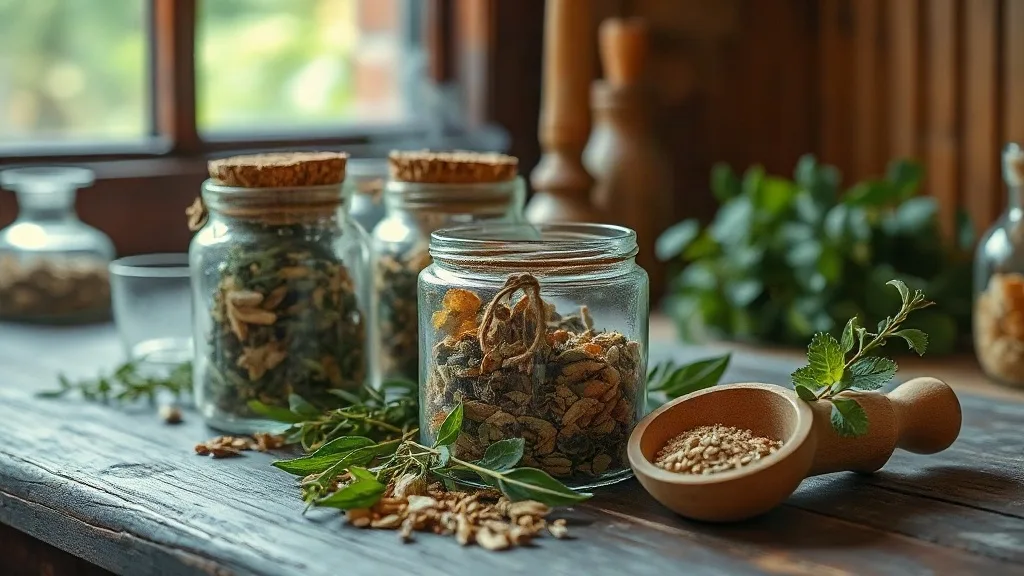

Key Summary: For authoritative guidance on Mexican herbalism for reproductive health, prioritize works by ethnobotanists and certified herbalists. Look for titles focusing on *traditional midwifery* and *native flora*. Always cross-reference traditional uses with pharmacological evidence to ensure safety and efficacy in reproductive care. Consult a specialist.
Why Mexican Herbalism Remains Relevant for Women’s Reproductive Wellness
Mexican herbalism is not merely a collection of home remedies; it is a profound ancestral legacy. Rooted in a synthesis of Indigenous wisdom—primarily Mayan and Aztec—and Spanish influence, this tradition views women’s reproductive health through a holistic lens, emphasizing the balance between the body, spirit, and the natural environment.
Despite its cultural richness, a significant gap exists between traditional folk practice and clinical phytotherapy. While "grandmother’s wisdom" provides a starting point, the lack of standardized dosages and scientific validation in oral traditions can lead to safety concerns. This tension creates a critical need for reliable, evidence-based guidance.
Today, modern women are returning to these roots to reclaim autonomy over their wellness, seeking alternatives to synthetic interventions for menstrual regulation, fertility, and menopause. However, the shift toward safety requires curated knowledge. This is why comprehensive books on Mexican herbalism are essential; they bridge the divide by providing:
- Botanical Accuracy: Ensuring the correct species are used to avoid toxicity.
- Clinical Context: Aligning traditional uses with modern pharmacological understanding.
- Safe Protocols: Offering precise guidelines for infusions, tinctures, and topical applications.
Key Medicinal Plants for the Female Reproductive System and How Traditional Texts Use Them
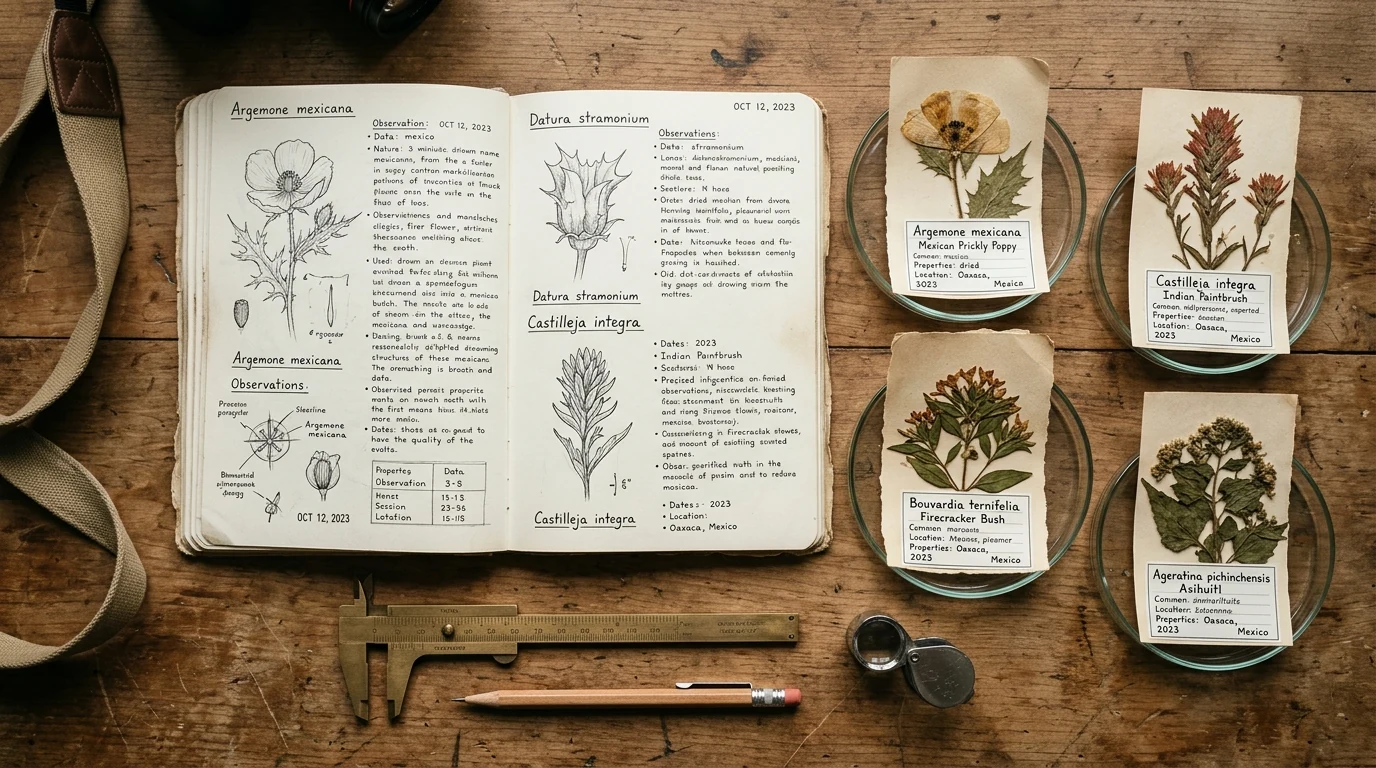
Mexican herbalism offers a profound legacy of botanical wisdom, meticulously documented in traditional texts to support female reproductive health. These guides emphasize a holistic approach, blending specific plant properties with ancestral preparation methods to balance the body's natural rhythms.
- Damiana (Turnera diffusa): Renowned as a tonic for the reproductive system, it is traditionally used in infusions to alleviate fatigue and enhance libido.
- Rue (Ruta graveolens): Often cited for its emmenagogue properties to regulate menstrual cycles, though texts warn of its high potency.
- Mexican Oregano (Lippia graveolens): Used primarily in teas for its anti-inflammatory and antimicrobial effects during pelvic discomfort.
- Chaste Tree (Vitex agnus-castus): While integrated into broader pharmacopeias, it is highlighted for balancing hormonal fluctuations and easing PMS symptoms.
Safety First: Traditional dosages vary; however, caution is paramount. Many of these plants can interact with hormonal contraceptives or medications. It is essential to consult a certified healthcare professional or a qualified herbalist before beginning any treatment, especially during pregnancy or breastfeeding.
How to Choose the Right Mexican Herbalism Book for Your Needs
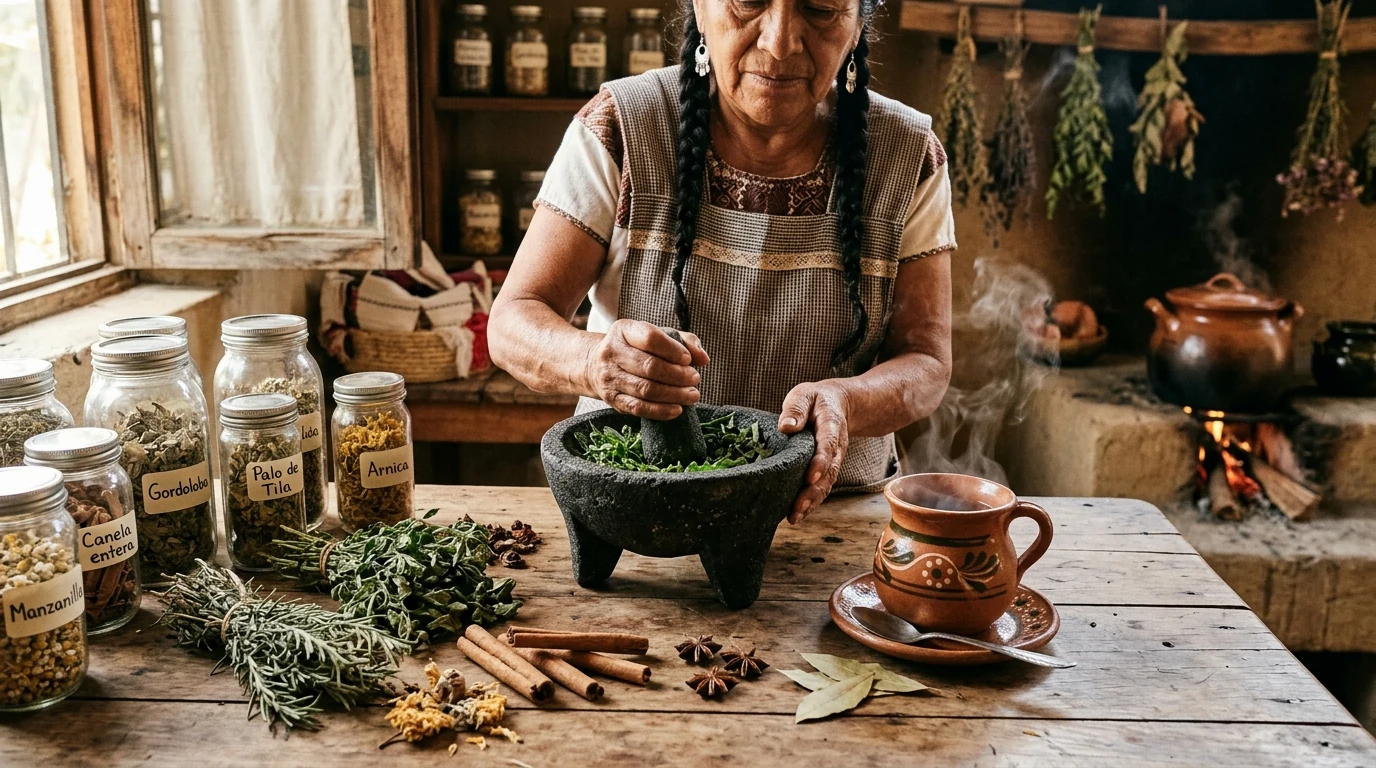
Selecting the ideal guide for reproductive health requires balancing traditional wisdom with scientific rigor. Because the reproductive system is highly sensitive, your choice should depend on your current level of expertise and your intended application of the knowledge.
To ensure you select a reliable resource, evaluate potential titles based on these critical criteria:
- Author Credentials & Botanical Accuracy: Prioritize books written by certified ethnobotanists or experienced practitioners who provide precise Latin binomials to avoid dangerous plant misidentification.
- Safety & Contraindications: A high-quality manual must include explicit safety warnings, specifically regarding pregnancy, lactation, and hormonal interactions.
- Chemical Composition: For advanced learners, look for texts that detail active compounds (such as alkaloids or flavonoids) to understand how a plant affects the endocrine system.
- Practicality: Beginners should seek books rich in step-by-step recipes for infusions, tinctures, and poultices.
Quick Guide: Choose introductory guides for home wellness, botanical monographs for academic study, and clinical references if you are integrating Mexican herbalism into a professional healthcare practice.
¿Deseas profundizar en Libros de herbolaria mexicana sobre plantas medicinales para el sistema reproductivo?
Consulta la selección de libros oficiales, manuales de botica y hierbas auténticas disponibles en Amazon con envío prioritario:
Check Prices and Deals on Amazon ↗Frequently Asked Questions about Mexican Herbalism Books
Are Mexican medicinal plants for women’s health safe to use without a doctor?
Some plants have a long history of traditional use, but hormonal and reproductive health is complex. Always choose books that include botanical identification, dosage ranges, contraindications, and active-compound information, and consult a qualified healthcare provider before use, especially during pregnancy, breastfeeding, or if taking medications.
What should I look for in a Mexican herbalism book about reproductive health?
Look for clear botanical names and photos, evidence-based safety notes, traditional preparation methods, dosage guidance, and references to scientific studies or ethnobotanical research. The best books also warn against toxic plants and explain when professional medical care is needed.