Libros de herbolaria mexicana sobre plantas medicinales para el cabello
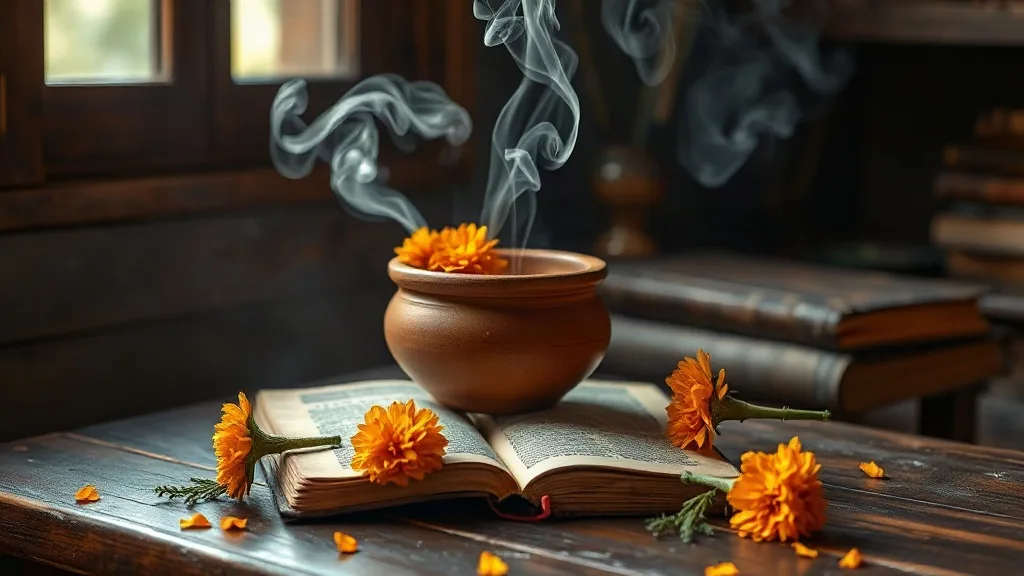

Key Summary: For authentic Mexican herbalism, prioritize academic botanical guides and ethnobotanical archives over commercial manuals. Look for texts focusing on *Aloe vera* and *Rosmarinus* within Mesoamerican traditions. Ensure the authors are certified botanists to guarantee rigorous, safe, and effective natural treatments for hair health.
Why Mexican Herbalism Still Matters for Healthy Hair
Mexican herbalism is not merely a collection of folk remedies; it is a sophisticated legacy of ethnobotanical knowledge passed down through generations. Rooted in the synergy between indigenous wisdom and colonial botanical studies, this tradition views hair health as a reflection of internal balance and systemic vitality. From the strengthening properties of romero to the scalp-soothing effects of sábila, the Mexican pharmacopeia offers a holistic alternative to synthetic treatments.
However, in an era of viral "DIY" trends, the nuance of this ancestral science is often lost. Relying on unverified online recipes can be risky, as they frequently overlook critical factors such as plant potency, correct extraction methods, and contraindications.
"True botanical healing requires precision and context—elements that only rigorous documentation can provide."
To truly harness these benefits, readers must turn to authoritative books on Mexican herbalism. Reliable literature ensures:
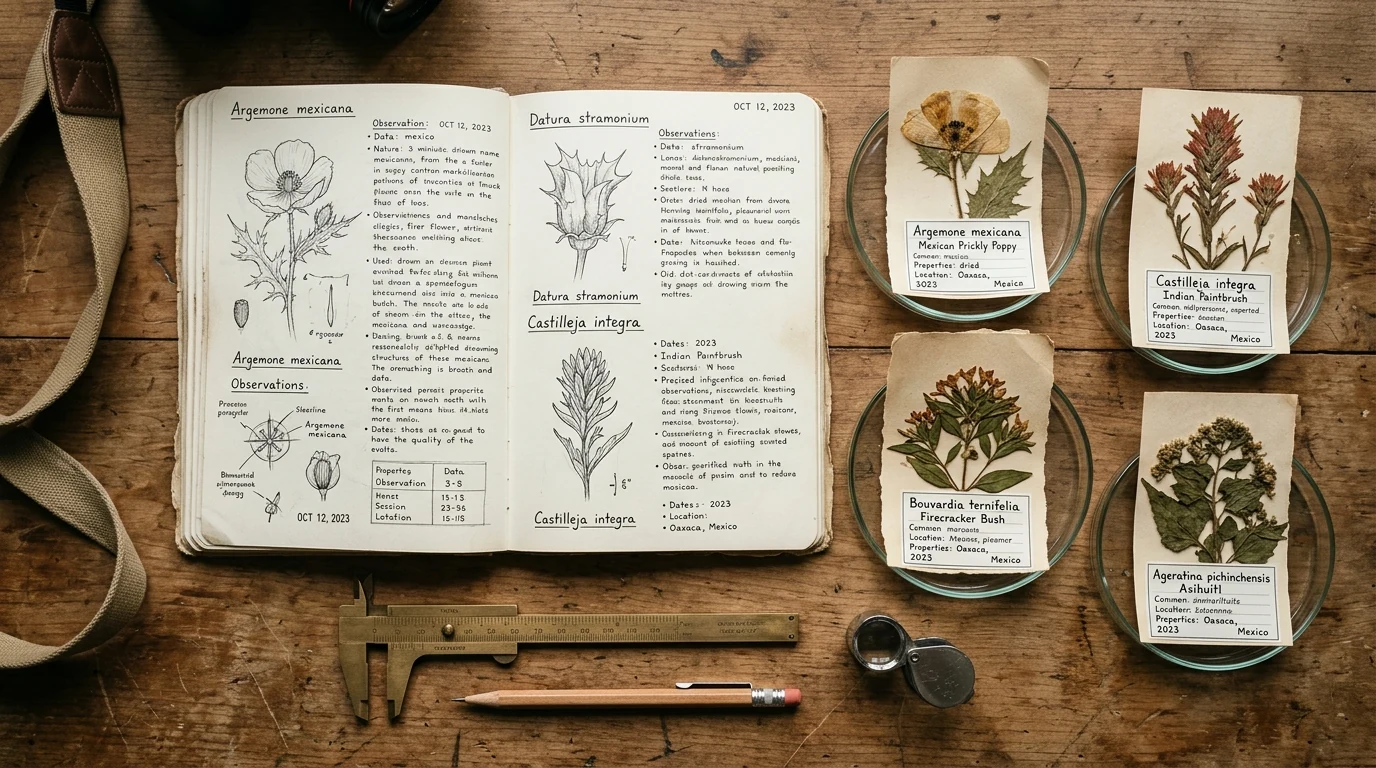
- Botanical Accuracy: Precise identification of species to avoid toxic look-alikes.
- Standardized Dosages: Safe concentrations for topical applications.
- Cultural Context: An understanding of the ritual and seasonal timing that optimizes plant efficacy.
Top Medicinal Plants for Hair and How to Use Them Safely
Mexico’s rich botanical heritage offers powerful natural alternatives for hair care, blending ancestral wisdom with therapeutic properties. From the highlands to the coasts, specific plants have been revered for centuries to stimulate growth, combat dandruff, and restore shine.
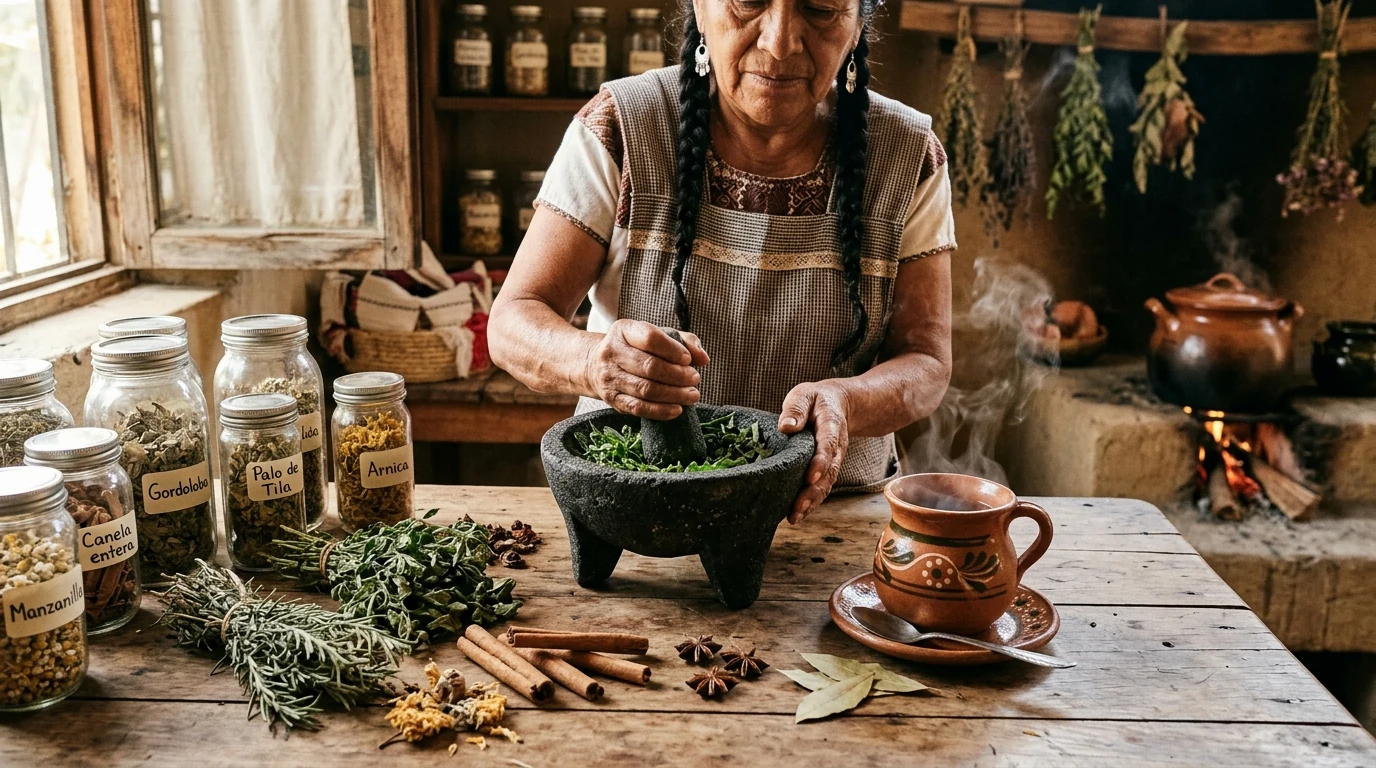
- Rosemary (Romero): Renowned for stimulating circulation. Prepare as a concentrated infusion (tea) and apply to the scalp as a daily tonic.
- Aloe Vera (Sábila): A hydrating powerhouse. Use the raw gel directly from the leaf as a soothing pre-shampoo mask.
- Jojoba: Ideal for sebum regulation. Apply the pure oil to the ends or mix it into your conditioner.
- Nettle (Ortiga): Rich in minerals to prevent hair loss. Use as a rinse after washing.
- Calendula: Perfect for sensitive scalps. Infuse in oil to calm inflammation.
Safety First: Always perform a patch test on your forearm to rule out allergic reactions. Avoid applying concentrated essential oils directly to the skin without a carrier oil, and consult a specialist if you are pregnant or nursing.
For those seeking a deeper dive into these remedies, Mexican herbalism books provide the precise dosages and traditional rituals necessary to harness these plants effectively and safely.
Comparing the Best Herbalism Books and Choosing the Right One
Navigating the vast landscape of Mexican herbalism requires a balance between ancestral wisdom and botanical precision. When seeking the ideal guide for medicinal plants specifically for hair health—such as treating alopecia or scalp inflammation—the "best" book depends entirely on your current expertise and goals.
To make an informed choice, evaluate your options based on these four critical pillars:
- Botanical Accuracy: Ensure the text uses binomial nomenclature (Latin names) to avoid dangerous misidentifications of native species.
- Safety Guidance: High-quality manuals prioritize contraindications and dosage, especially for potent extracts used in scalp treatments.
- Depth of Knowledge: Academic texts offer pharmacological evidence, while traditional guides provide holistic, ritualistic approaches to hair care.
- Practical Recipes: Look for clear, step-by-step instructions for infusions, oils, and tinctures tailored for topical application.
Pro Tip: Beginners should opt for illustrated guides with safety warnings, while advanced practitioners will benefit from comprehensive pharmacopeias that delve into the chemical properties of Mexican flora.
By matching these criteria to your experience level, you can transition from simple curiosity to the confident, safe application of Mexico's rich botanical heritage.
¿Deseas profundizar en Libros de herbolaria mexicana sobre plantas medicinales para el cabello?
Consulta la selección de libros oficiales, manuales de botica y hierbas auténticas disponibles en Amazon con envío prioritario:
Check Prices and Deals on Amazon ↗Frequently Asked Questions about Mexican Herbalism Books
What are the best Mexican herbalism books for hair care?
The best titles combine botanical identification, traditional preparation methods, and clear safety guidance. Look for books written by recognized ethnobotanists or traditional medicine specialists that focus on Mexican flora and include practical hair-care recipes.
Are medicinal plants for hair safe for everyone?
Many plants are generally safe when used correctly, but individual reactions, allergies, and medical conditions vary. Always perform a patch test, follow recommended dosages, and consult a healthcare professional before using herbal treatments, especially during pregnancy or with scalp conditions.