Libros de herbolaria mexicana para jardineros aficionados
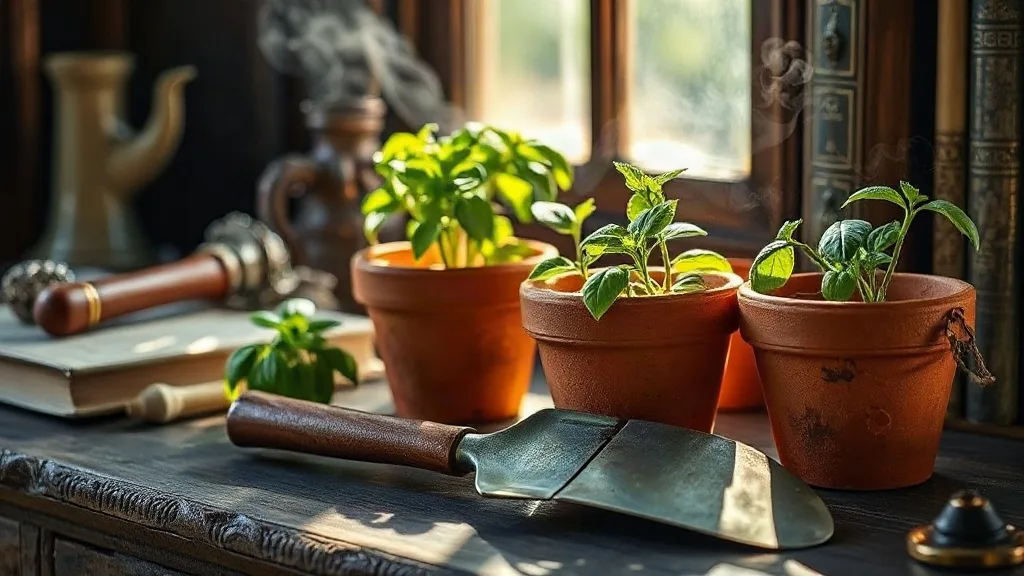
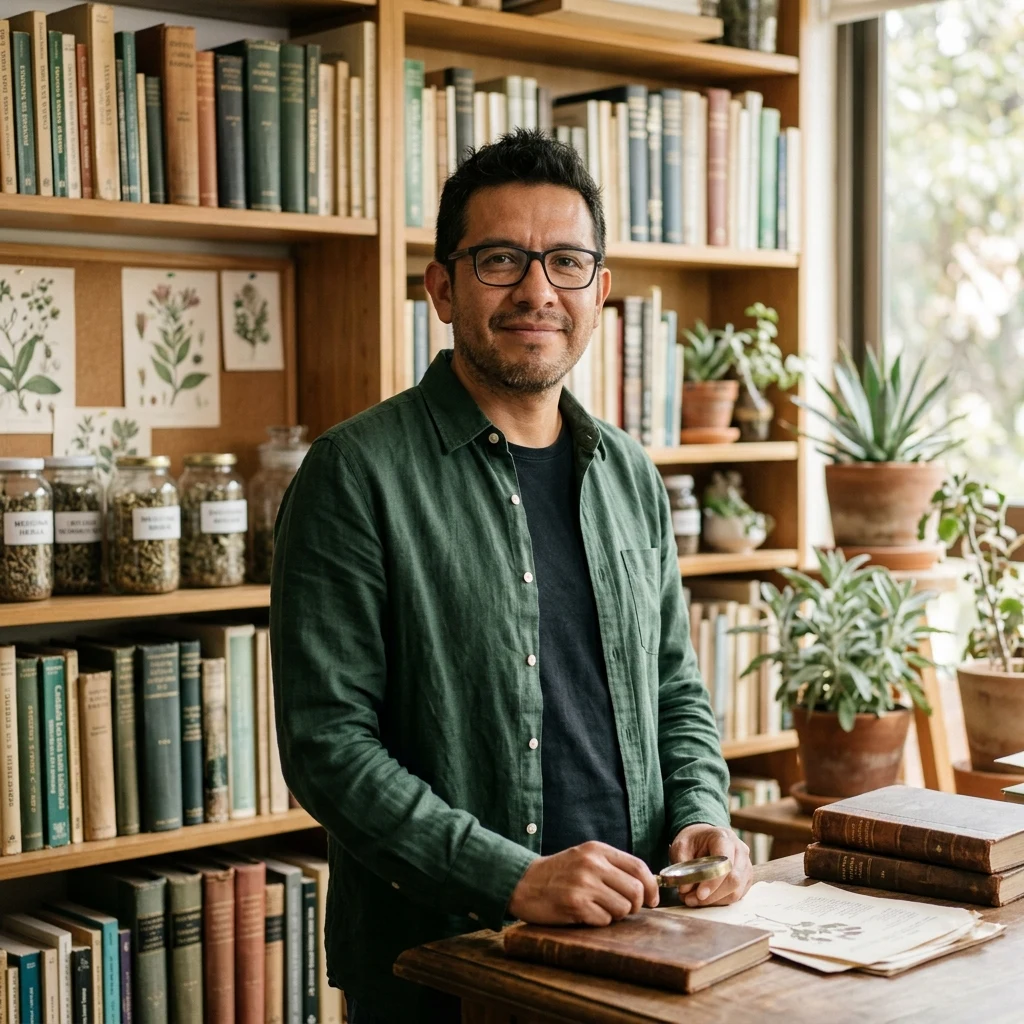
Key Summary: For amateur gardeners, prioritize the Flora de México series or specialized guides on endemic medicinal plants. Look for titles combining botanical rigor with practical cultivation tips. These resources ensure you grow authentic Mexican species while respecting biodiversity and traditional herbal knowledge through a scientific lens.
Why Mexican Herbalism Belongs in the Amateur Gardener’s Library
Integrating Mexican herbalism into a home garden is more than a botanical experiment; it is an act of cultural preservation and ecological stewardship. For the amateur gardener, these traditional guides bridge the gap between simple landscaping and a living pharmacy, transforming a backyard into a sanctuary of biodiversity. By prioritizing native species, gardeners not only support local pollinators but also cultivate a deeper, rooted connection to wellness practices that have thrived for millennia.
However, transitioning from ornamental gardening to herbalism requires a mindful approach. The journey involves a learning curve that balances enthusiasm with caution:
- Botanical Precision: Accurate identification is paramount to distinguish therapeutic plants from toxic look-alikes.
- Ecological Synergy: Understanding the specific soil and climate needs of Mesoamerican flora ensures sustainable growth.
- Safety First: Traditional knowledge is a complement to, not a replacement for, professional medical advice.
"To plant a medicinal garden is to cultivate a legacy of healing, blending the wisdom of the ancestors with the patience of the modern grower."
By embracing these texts, gardeners evolve from mere hobbyists into custodians of a vibrant, ancestral heritage.
Top Recommended Books and the Herbs You Can Actually Grow at Home
Embarking on a journey into Mexican herbalism requires a blend of ancestral wisdom and practical guidance. For beginners, we recommend starting with "The Mexican Herbalist" and "Traditional Medicine of Mexico," both of which bridge the gap between ethnobotany and home gardening. These titles are ideal for novices as they categorize plants by therapeutic use and environmental needs, making the transition from reader to grower seamless.
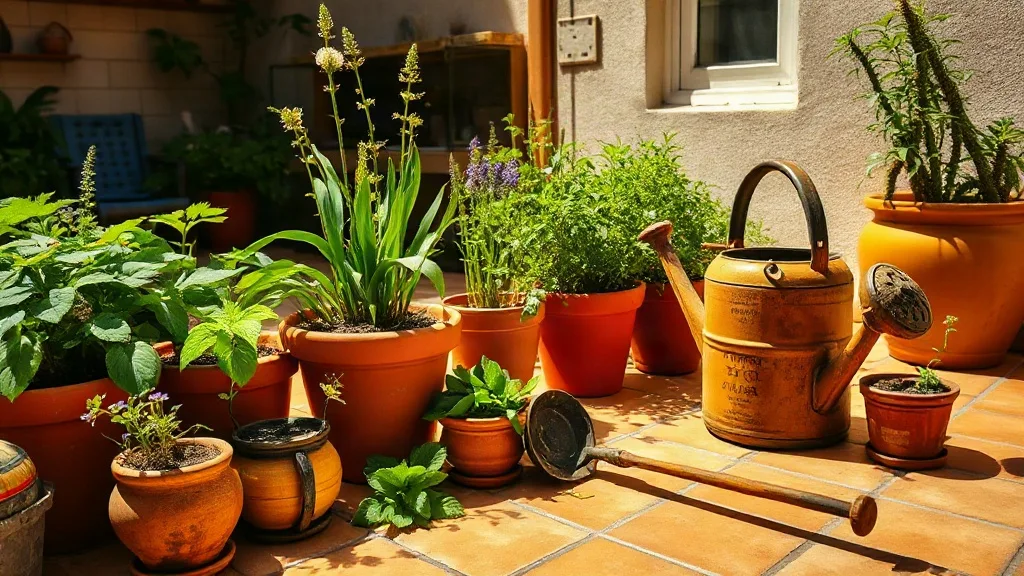
Focus on accessible species highlighted in these texts that thrive in domestic settings, such as Epazote, Mexican Mint (Oregano Mexicano), and Damiana. To start your own sanctuary, follow these essential steps:
- Seed Starting: Use a nutrient-rich organic potting mix. Sow seeds shallowly and maintain consistent moisture using a spray bottle to avoid displacing the soil.
- Propagation via Cuttings: For herbs like Mint or Basil, place a 4-inch stem cutting in filtered water until roots emerge, then transplant into a sunny pot.
- Light and Care: Ensure at least 6 hours of sunlight. Use terracotta pots to allow soil aeration, preventing root rot in humid climates.
"The secret to a thriving Mexican herb garden lies in mimicking the natural warmth and drainage of its native highlands."
How to Choose the Right Guide and Use Herbs Safely
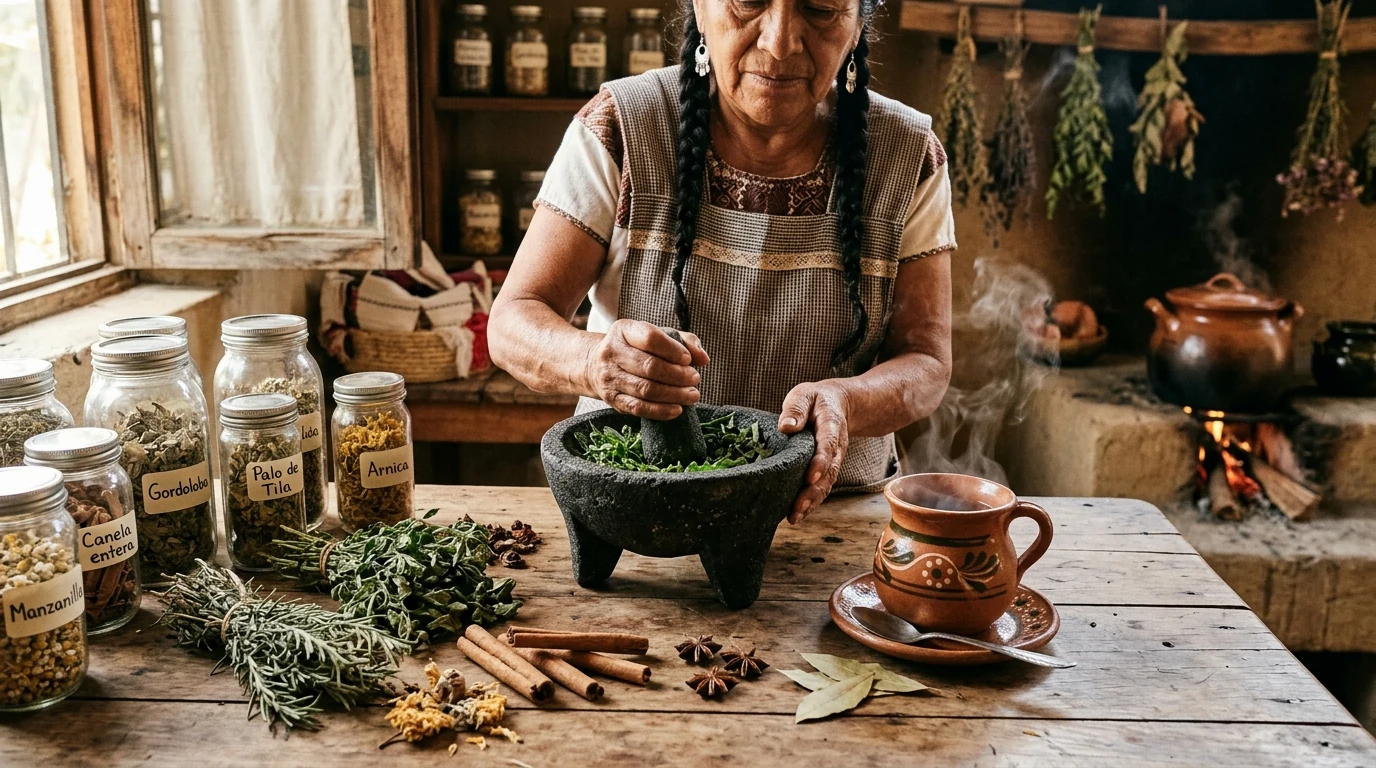
Selecting the ideal herbal guide is the difference between a thriving medicinal garden and a costly mistake. For the amateur gardener, not all books are created equal. When browsing, prioritize titles that balance botanical accuracy with practical application. Look for guides that provide high-resolution photographs or detailed botanical illustrations rather than generic sketches, as precise identification is the first rule of safety.
A high-quality resource should go beyond a simple list of plants, offering depth in three critical areas:
- Identification: Detailed descriptions of leaves, stems, and flowering patterns to avoid toxic look-alikes.
- Dosage: Clear guidelines on preparation methods (infusions, tinctures) and appropriate quantities.
- Contraindications: Explicit warnings regarding drug interactions and specific health conditions.
Safety First: Herbalism is a powerful tool, but it is not a substitute for clinical medicine. Always consult a certified healthcare professional before introducing new herbs into your wellness routine, especially if you are pregnant, nursing, or taking prescription medications.
By choosing a guide rooted in scientific rigor and ethical practice, you ensure your journey into Mexican herbolaria is both enriching and secure.
¿Deseas profundizar en Libros de herbolaria mexicana para jardineros aficionados?
Consulta la selección de libros oficiales, manuales de botica y hierbas auténticas disponibles en Amazon con envío prioritario:
Check Prices and Deals on Amazon ↗Frequently Asked Questions about Mexican Herbalism Books
What is Mexican herbalism, and why should amateur gardeners learn about it?
Mexican herbalism is the traditional and modern use of native and naturalized plants for wellness, flavor, and home remedies. For amateur gardeners, it offers a way to grow culturally meaningful, pollinator-friendly herbs while learning safe, evidence-informed uses.
Are Mexican herbalism books safe for complete beginners?
Many beginner-friendly titles are safe when they focus on identification, cultivation, and culinary or mild traditional uses. However, readers should avoid self-treating serious conditions and should consult reliable botanical references or healthcare professionals before consuming medicinal herbs.