Libros de herbolaria mexicana para estudiantes de nutrición
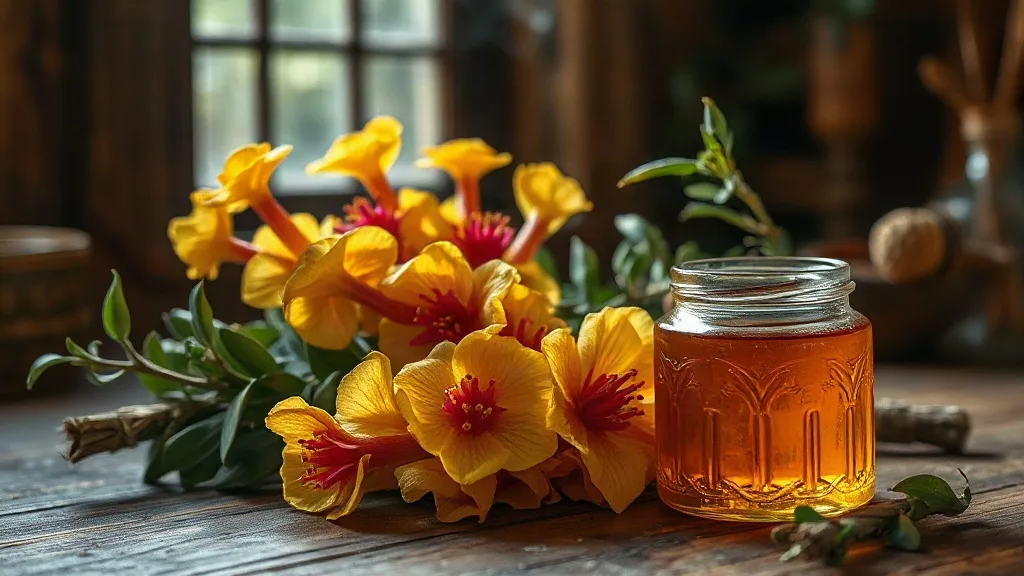

Key Summary: For nutrition students, prioritize texts blending ethnobotany with pharmacology. Seek titles like "Plantas Medicinales de México" that offer botanical rigor and clinical evidence. Focus on resources that bridge traditional Mexican herbalism with evidence-based nutritional science to ensure safe, professional, and academically sound therapeutic applications.
Why Nutrition Students Should Study Mexican Herbalism
Integrating Mexican herbalism into nutrition education is not merely an exploration of tradition, but a strategic expansion of clinical competence. Mexico possesses one of the world's richest ethnobotanical heritages, where ancestral knowledge of plant-based healing intersects with modern biochemistry. For nutrition students, understanding this legacy provides a holistic perspective on how bioactive compounds—such as alkaloids, flavonoids, and terpenes—interact with human metabolism to modulate health.
Studying specialized literature on Mexican herbolaria allows future nutritionists to bridge the gap between traditional practices and evidence-based science. This knowledge is critical for several reasons:
- Clinical Safety: Identifying potential herb-drug interactions to ensure patient safety.
- Nutraceutical Innovation: Discovering native plants with potent antioxidant, anti-inflammatory, or glycemic-regulating properties.
- Cultural Competence: Validating the dietary habits of patients who rely on traditional remedies, fostering a stronger therapeutic alliance.
"The synergy between modern nutrition and traditional herbalism transforms a standard diet plan into a comprehensive therapeutic strategy rooted in biodiversity and science."
By mastering the science of Mexican plants, students evolve from simple dietary planners into informed practitioners capable of guiding patients toward safe, effective, and culturally resonant wellness.
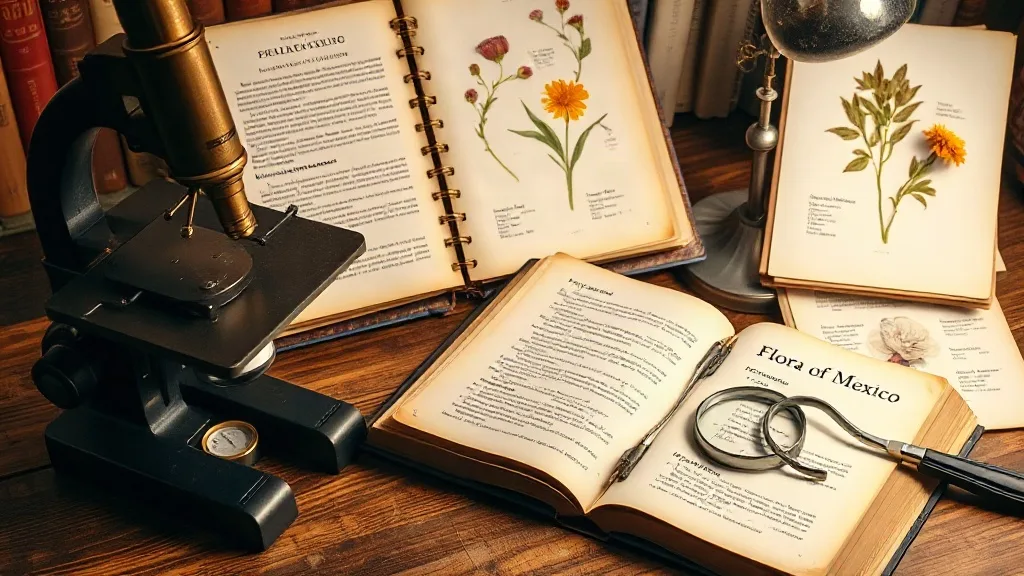
Top Mexican Herbalism Books for Nutrition Students
For nutrition students, integrating traditional Mexican herbalism into clinical practice requires a rigorous balance between ancestral wisdom and pharmacological evidence. Mastering botanical identification and dosage principles is essential to ensure patient safety and therapeutic efficacy when recommending phytotherapy as a complementary nutritional strategy.
To build a professional foundation, the following titles are indispensable for academic and clinical growth:
- "Herbolaria Mexicana" (Various Academic Editions): Essential for precise botanical identification and understanding the chemical constituents of native flora, allowing students to correlate active compounds with metabolic pathways.
- "Manual de Fitoterapia" (Regional Focus): A critical resource for learning therapeutic uses and standardized dosage principles, bridging the gap between traditional infusions and clinical prescriptions.
- "Plantas Medicinales de México": This comprehensive guide supports clinical learning by documenting the synergistic effects of herbs on nutrient absorption and systemic inflammation.
Integrating these texts allows future nutritionists to transition from basic dietary planning to a holistic approach, leveraging Mexico's biodiversity to optimize patient health through evidence-based botanical interventions.
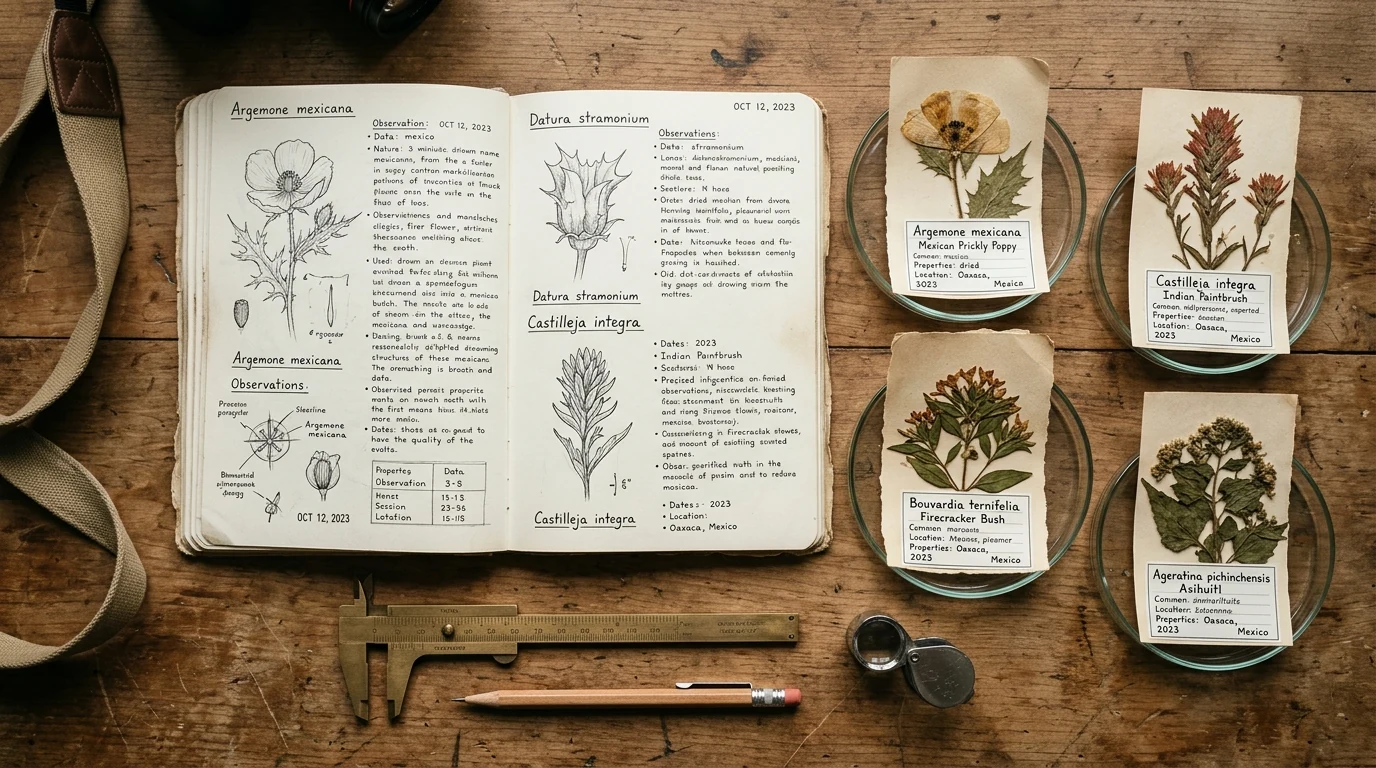
How to Choose and Use These Books in Your Studies
Selecting the right herbal resource depends on your current academic stage and clinical goals. To maximize your learning, categorize your library into three strategic levels:
- Beginner: Focus on introductory guides that categorize plants by therapeutic properties and common names. These are ideal for building a foundational vocabulary and understanding basic botanical identification.
- Intermediate: Transition to texts that explore pharmacognosy and biochemical interactions. These resources are essential for understanding how Mexican herbs interact with macronutrients and metabolic pathways.
- Reference: Invest in comprehensive pharmacopeias and peer-reviewed compendiums. These serve as the gold standard for verifying dosages, contraindications, and toxicity levels.
Pro Tip: To integrate these into your professional practice, always cross-reference traditional herbal knowledge with your current coursework in biochemistry and pathology.
When conducting research or designing nutritional plans, use these books to complement evidence-based protocols. By blending ancestral Mexican wisdom with clinical nutrition, you can offer holistic, culturally relevant interventions that enhance patient adherence and therapeutic outcomes in a professional healthcare setting.
¿Deseas profundizar en Libros de herbolaria mexicana para estudiantes de nutrición?
Consulta la selección de libros oficiales, manuales de botica y hierbas auténticas disponibles en Amazon con envío prioritario:
Check Prices and Deals on Amazon ↗Frequently Asked Questions about Mexican Herbalism Books
What is Mexican herbalism (herbolaria mexicana)?
Mexican herbalism is a traditional healing practice that uses native plants for therapeutic purposes, combining Indigenous, Spanish, and modern botanical knowledge.
Can nutrition students safely use herbalism books in clinical practice?
Books are a valuable starting point, but students should always cross-reference plant safety, dosages, and contraindications with peer-reviewed sources and professional guidance before clinical application.