Libros de herbolaria mexicana para estudiantes de medicina tradicional
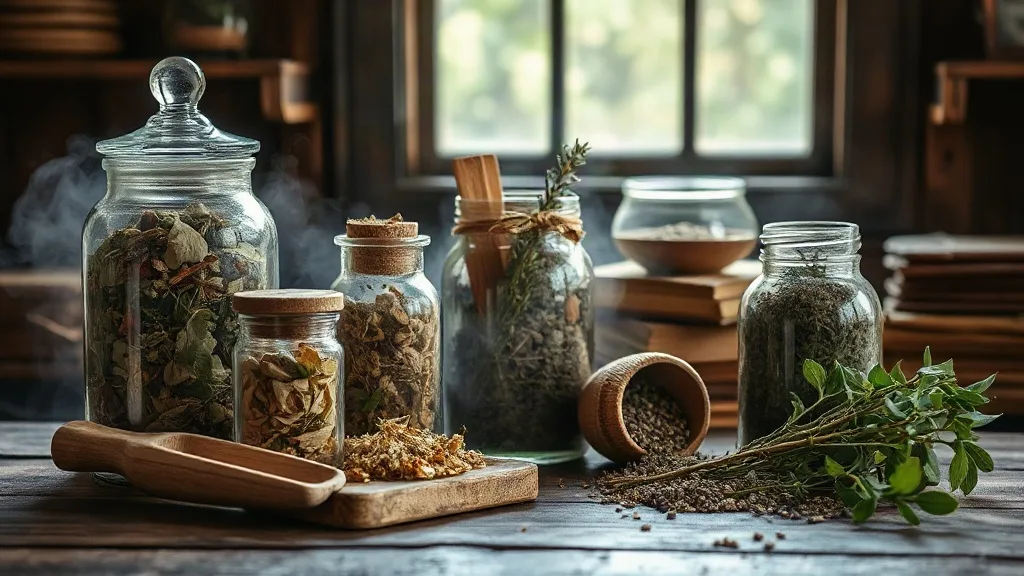

Key Summary: For students of traditional medicine, prioritize the Pharmacopeia of Traditional Mexican Medicine for clinical rigor. Complement this with works by botanists like Rzedowski to bridge ancestral wisdom with modern phytotherapy, ensuring a balanced approach that honors indigenous heritage while maintaining strict academic and pharmacological standards.
Why Students of Traditional Medicine Need Specialized Mexican Herbalism Books
While folk herbalism is often passed down through oral tradition and ancestral intuition, the transition to formal study requires a rigorous academic framework. There is a significant gap between knowing that a plant "works" and understanding why it works. For students of traditional medicine, relying solely on anecdotal evidence is insufficient; they require specialized texts that bridge the divide between empirical wisdom and clinical safety.
Comprehensive Mexican herbalism books provide the essential technical scaffolding that oral tradition lacks, focusing on five critical pillars:
- Botanical Identification: Precise taxonomic classification to avoid dangerous look-alikes.
- Ethnobotanical Context: Understanding the cultural lineage and traditional application of species.
- Active Compounds: Analysis of the phytochemicals responsible for therapeutic effects.
- Precise Dosage: Standardized guidelines to ensure efficacy and avoid toxicity.
- Safety and Contraindications: Critical data on herb-drug interactions and patient risk factors.
Ultimately, specialized literature transforms a practitioner from a casual enthusiast into a skilled clinician, ensuring that the rich legacy of Mexican botany is applied with scientific precision and professional responsibility.
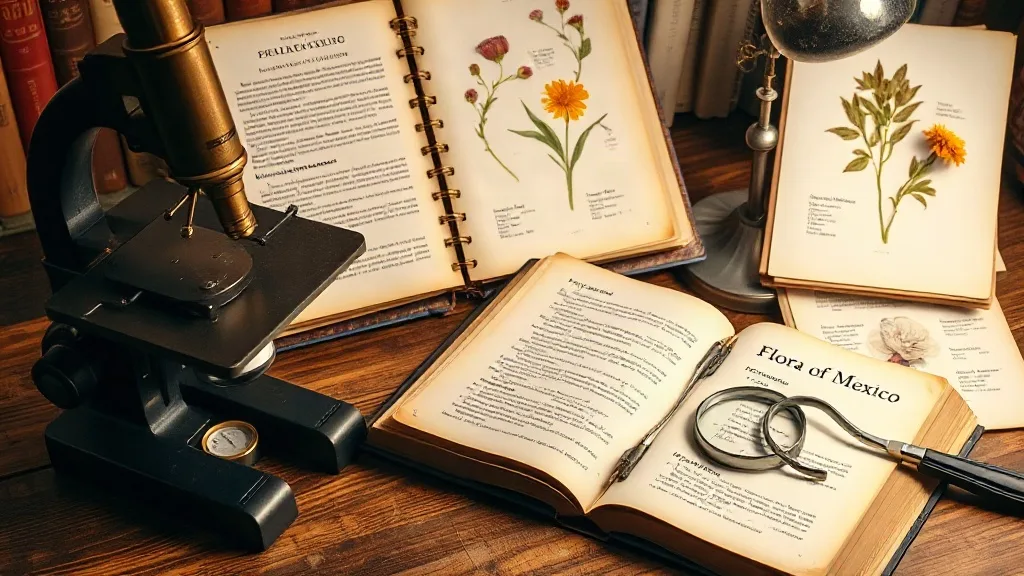
Key Plants, Active Principles, and Safe Study Steps Every Student Should Master
Mastering Mexican herbalism requires a rigorous balance between ancestral wisdom and pharmacological precision. For students of traditional medicine, focusing on cornerstone species such as Arnica (anti-inflammatory), Damiana (nervine/aphrodisiac), and Calendula (cicatrizant) provides a foundational understanding of the region's therapeutic biodiversity.
Beyond simple identification, students must analyze the phytochemical active principles—such as alkaloids, flavonoids, and saponins—that drive biological responses. Understanding these compounds is critical to avoiding toxicity and ensuring precise dosing.
To study each plant responsibly, we recommend following this systematic methodology:
- Botanical Verification: Confirm the scientific name and variety to avoid dangerous substitutions.
- Phytochemical Analysis: Identify the primary active principles and their mechanism of action.
- Contraindication Mapping: Document potential drug interactions and patient-specific risks.
- Preparation Standardization: Study the optimal extraction method (infusion, tincture, or poultice) to preserve potency.
"The bridge between tradition and science is built with evidence; a true herbalist treats the patient, not just the symptom, with pharmacological rigor."
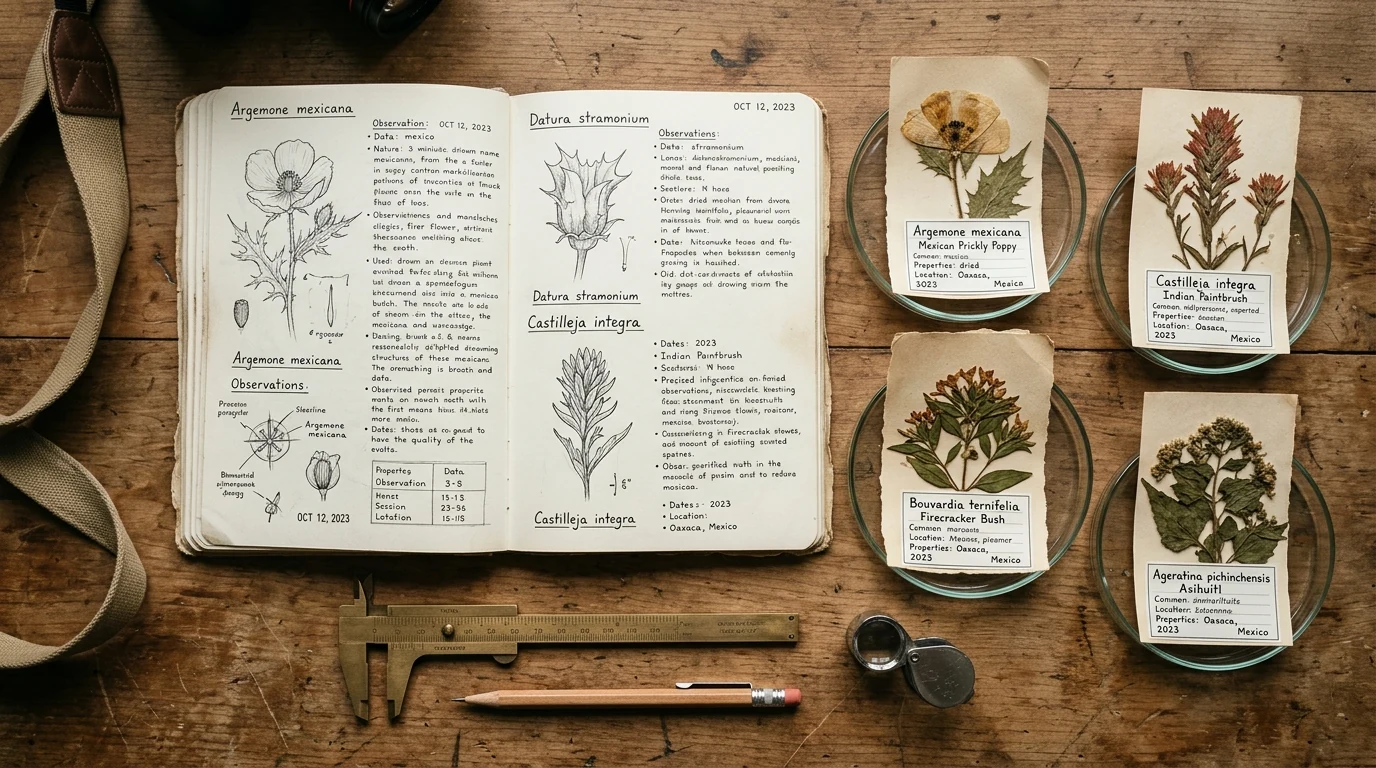
Top Recommended Books and Resources Compared by Level and Focus
Navigating the vast landscape of Mexican herbalism requires a structured approach to avoid information overload. Depending on your current expertise in traditional medicine, the ideal resource shifts from foundational botanical identification to complex pharmacological interactions and clinical applications.
- Beginner: Foundational Knowledge. Focus on comprehensive guides and illustrated herbals. These resources prioritize the identification of native species and basic traditional uses, providing a safe entry point for students to understand the synergy between nature and wellness.
- Intermediate: Therapeutic Application. Transition toward texts that categorize plants by systemic action (e.g., respiratory or digestive). At this level, resources integrate traditional wisdom with basic anatomy, teaching students how to formulate remedies based on specific patient profiles.
- Advanced: Clinical Integration. High-level guides focus on phytochemistry, toxicology, and evidence-based comparisons. These resources are essential for practitioners seeking to integrate traditional Mexican medicine with contemporary clinical standards, ensuring safety and efficacy in complex treatments.
Pro Tip: Complement your reading with digital databases and local ethnobotanical field studies to bridge the gap between theoretical literature and living ancestral practice.
¿Deseas profundizar en Libros de herbolaria mexicana para estudiantes de medicina tradicional?
Consulta la selección de libros oficiales, manuales de botica y hierbas auténticas disponibles en Amazon con envío prioritario:
Check Prices and Deals on Amazon ↗Frequently Asked Questions about Mexican Herbalism Books
What makes a Mexican herbalism book suitable for traditional medicine students?
A suitable book combines accurate botanical identification, ethnobotanical context, clear descriptions of active principles, safe dosage guidelines, contraindications, and practical therapeutic applications aligned with both traditional and modern phytotherapy.
How can students integrate Mexican herbalism with modern phytotherapy safely?
Students should use reputable texts as references, verify plant species with botanical keys, follow documented dosages, respect contraindications, cross-check with clinical research, and consult experienced herbalists or healthcare professionals before applying remedies.