Libros de herbolaria mexicana para coleccionistas de libros antiguos
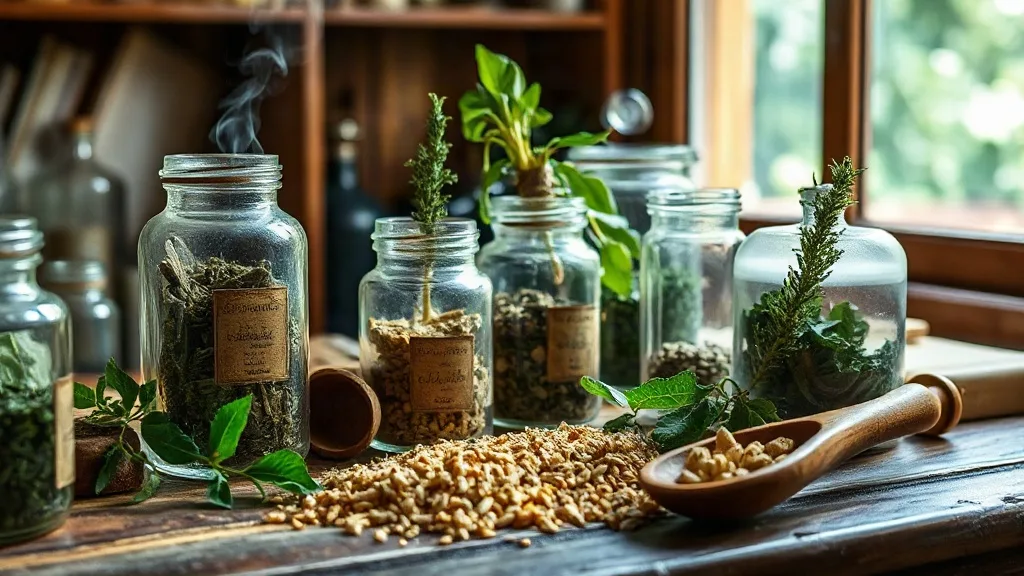
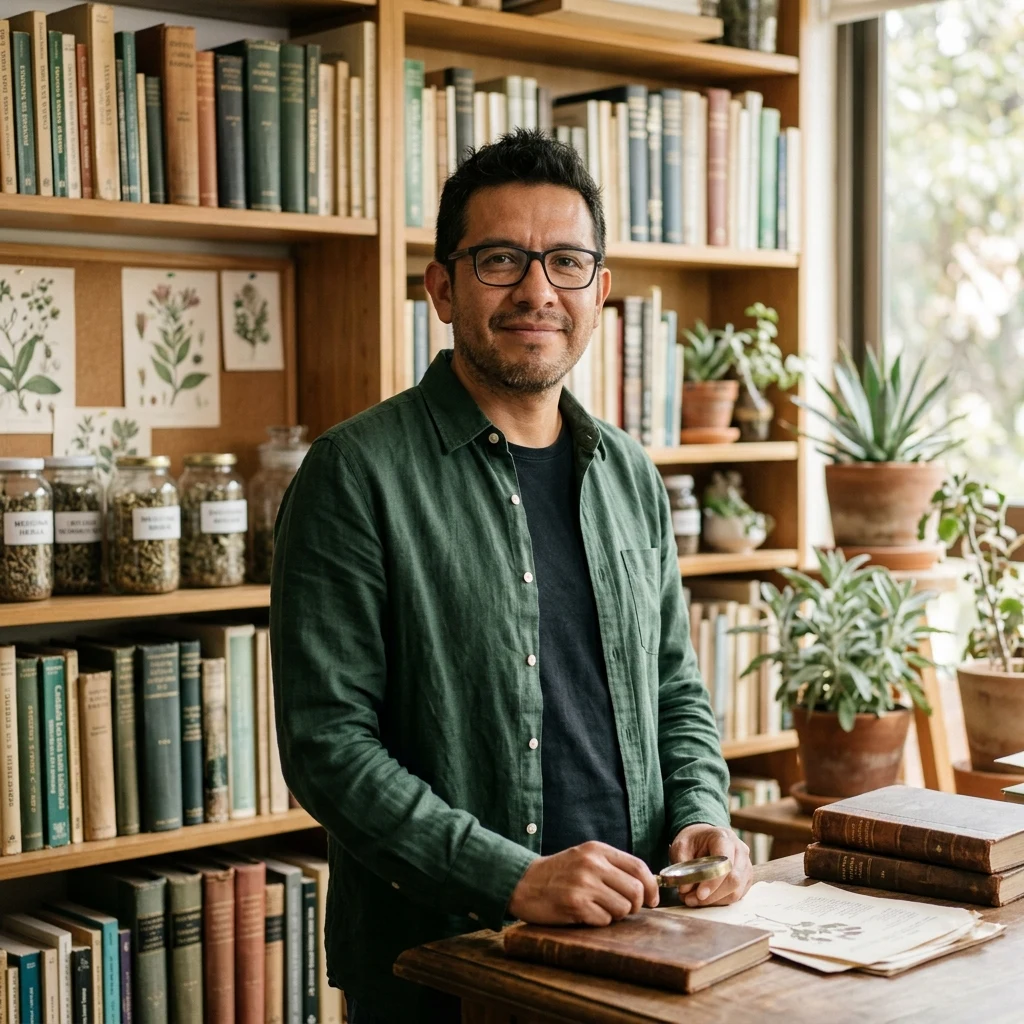
Key Summary: For collectors, prioritize 16th-century codices and colonial herbals like the Libellus de Medicinalibus Indorum Herbis. Seek rare, leather-bound botanical treatises from the Spanish Golden Age. Focus on authenticated first editions and meticulously illustrated manuscripts to ensure both historical rigor and significant investment value.
Why Antique Mexican Herbal Books Matter to Collectors
Collecting antique Mexican herbals is more than a pursuit of rare paper; it is an act of preserving a sophisticated intersection of indigenous wisdom and colonial science. These volumes serve as vital archives, documenting the transition from ancestral Aztec botanical knowledge to the formalized pharmacological studies of the Spanish Empire.
For the discerning bibliophile, these works represent a unique niche due to several intersecting values:
- Cultural Synthesis: They capture the "mestizaje" of knowledge, blending Nahuatl classifications with European Latinate systems.
- Scientific Provenance: Many early herbals provided the foundational data for modern botany and pharmacology, making them essential for historians of science.
- Artistic Rarity: From hand-colored plates to intricate colonial typography, the aesthetic quality of these books elevates them to works of art.
"To own a Mexican herbal is to hold a map of the New World's biodiversity as it was first decoded by the human mind."
Because many of these texts were produced in limited quantities or lost to time, they offer a high degree of scarcity and investment potential, appealing to those who value intellectual heritage as much as material rarity.
Landmark Titles and Authors Every Collector Should Know
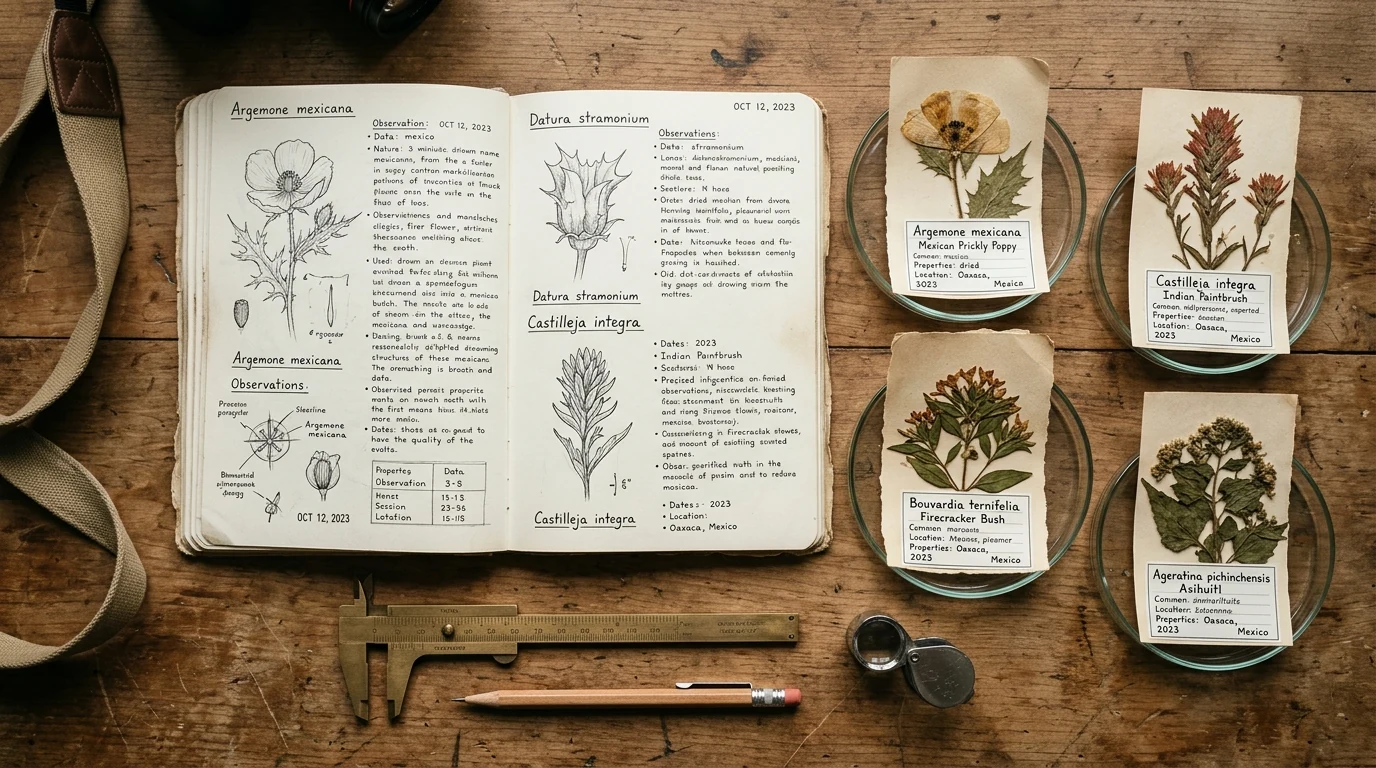
Building a serious collection of Mexican herbalism requires a discerning eye for works that bridge the gap between indigenous wisdom and colonial science. The foundation of any prestigious library begins with the Códice Badiano (1552), the earliest known herbal of the Americas; while originals are museum pieces, early scholarly facsimiles are highly prized for their botanical precision.
Collectors should prioritize the following pillars of Mexican pharmacopeia:
- Francisco Hernández: Look for 16th-century accounts of his expeditions. His systematic classification of New World plants remains the gold standard for early colonial botany.
- The 19th Century Naturalists: Seek out editions from the 1800s that integrate European taxonomic systems with local Mexican flora, often characterized by hand-colored lithographs.
- Modern Traditionalists: Mid-20th century monographs that documented oral traditions before their disappearance are now considered essential cultural archives.
Collector's Tip: When identifying authentic editions, examine the binding and paper grain. Genuine period pieces often feature handmade rag paper and specific colonial typography. Always verify the provenance to ensure the work is a primary source rather than a later commercial reprint.
How to Evaluate, Preserve, and Source Rare Herbal Volumes
Acquiring antique Mexican herbals requires a discerning eye for both botanical accuracy and bibliographic integrity. When evaluating a volume, prioritize provenance—the documented history of ownership—which validates authenticity and adds cultural value. Examine the binding for structural stability and the plates for crispness; hand-colored engravings are highly prized, provided they haven't suffered from foxing or pigment degradation.
To ensure a sound investment, consider these critical evaluation factors:
- Condition: Check for acidity in the paper and the presence of original leather or vellum.
- Completeness: Verify that all botanical folds and indices are intact.
- Pricing Channels: Source through reputable antiquarian booksellers or specialized auctions rather than unverified marketplaces to avoid sophisticated forgeries.
Preservation Tip: Store your volumes in a climate-controlled environment with stable humidity (40-50%) and use acid-free archival sleeves to prevent further oxidation of the pages.
For professional authentication and conservation guidelines, consult the International League of Antiquarian Booksellers (ILAB) or specialized botanical archives. Investing in a professional appraisal is recommended for high-value colonial-era manuscripts to secure their long-term legacy.
¿Deseas profundizar en Libros de herbolaria mexicana para coleccionistas de libros antiguos?
Consulta la selección de libros oficiales, manuales de botica y hierbas auténticas disponibles en Amazon con envío prioritario:
Check Prices and Deals on Amazon ↗Frequently Asked Questions about Mexican Herbalism Books
Which antique Mexican herbal books are most sought after by collectors?
Titles such as the *Floresta medicinal* by Ignacio Castillo, *Cuatro libros de la naturaleza* by Francisco Hernández, and 19th-century pharmacopoeias and botanical plate books are highly prized for their historical role in documenting native medicinal plants and early scientific illustration.
How can I tell if an old herbal book is a valuable first edition?
Check the title page for the original publisher, date, and edition statement; examine the binding, paper, and any hand-colored plates; verify provenance and previous ownership; and cross-reference bibliographies such as those from the Hunt Institute or national Mexican library catalogs.