Libros de herbolaria mexicana para centros de salud comunitarios
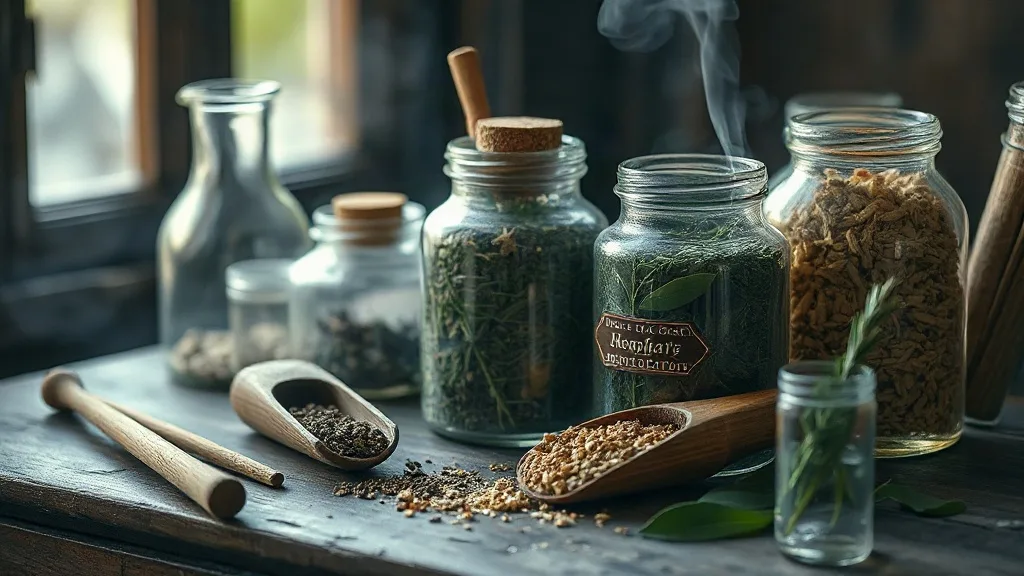

Key Summary: For community health centers, prioritize the Flora de México and official pharmacopeias. Focus on evidence-based manuals that blend ancestral knowledge with clinical rigor. Ensure selected texts are accessible, culturally sensitive, and emphasize safety, dosage, and sustainable harvesting to provide reliable, integrative primary care.
Why Community Health Centers Need Trusted Mexican Herbalism References
In many underserved communities, traditional Mexican herbalism is not merely a cultural preference but the primary system of healthcare. However, a significant clinical gap exists between these ancestral practices and the standardized protocols of primary care. When patients utilize botanical remedies without provider guidance, the risk of undetected drug-herb interactions increases, and valuable opportunities for integrative healing are lost.
To bridge this divide, community health centers require accessible, evidence-informed references that translate traditional wisdom into clinical language. These resources are essential for fostering cultural competence, allowing practitioners to:
- Validate patient experiences, building deeper trust and therapeutic rapport.
- Screen for safety and efficacy using scientifically vetted botanical data.
- Integrate traditional wellness strategies into comprehensive primary care plans.
"True healthcare equity is achieved when clinical medicine respects and integrates the cultural health legacies of the people it serves."
By equipping clinics with trusted herbalism literature, health centers move beyond simple tolerance toward a model of integrative care that honors heritage while ensuring patient safety.
Key Criteria and Recommended Books for Safe Herbal Practice
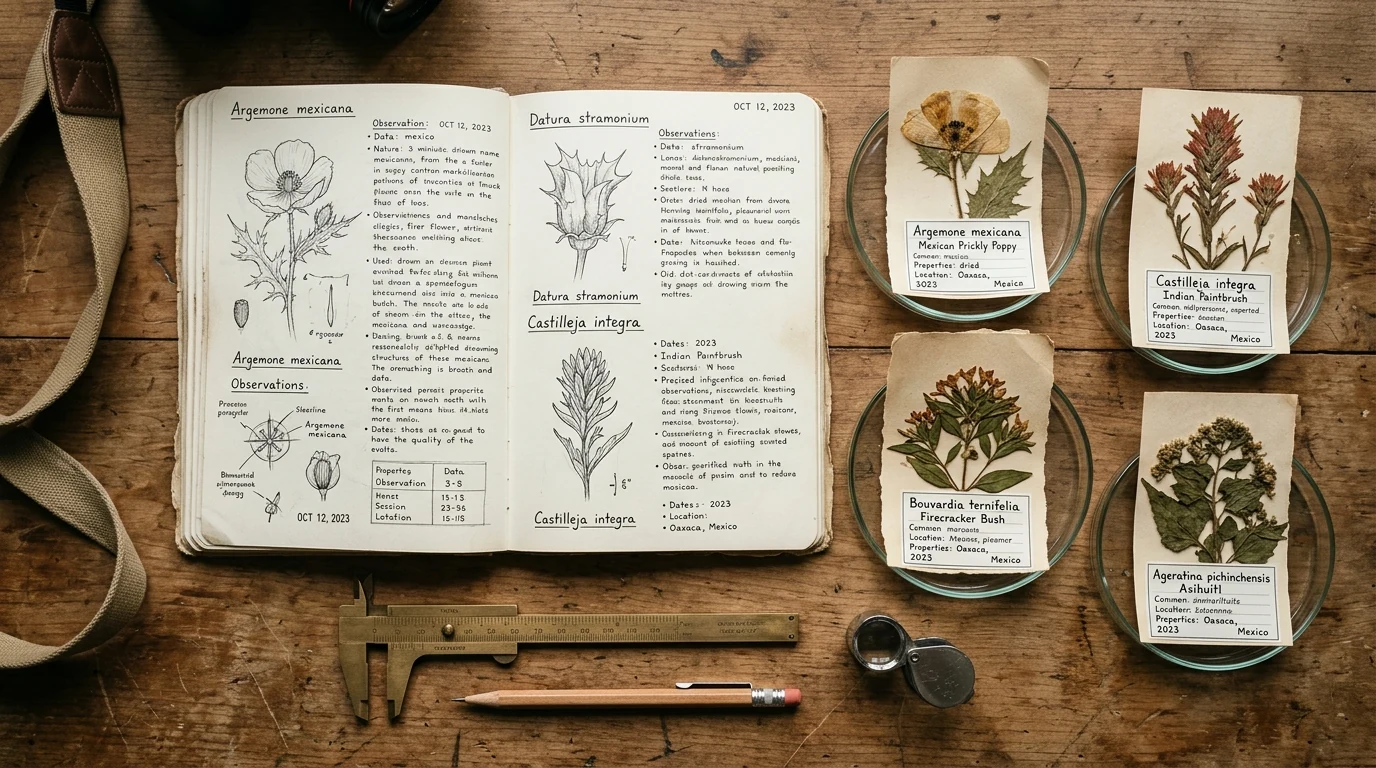
Integrating traditional botanical knowledge into a community health setting requires a rigorous approach to safety and standardization. To ensure clinical reliability, a professional guide must move beyond anecdotal evidence and provide precise botanical identification (including Latin binomials) to prevent toxic substitutions. Furthermore, a reliable resource must detail active compounds, standardized dosing protocols, and a comprehensive list of contraindications and potential drug-herb interactions to protect patient safety.
For health center teams seeking to bridge ancestral wisdom with evidence-based practice, the following references are highly recommended for their academic rigor and cultural depth:
- "Herbolaria Mexicana" (Various Authors/Institutional Guides): Essential for understanding the regional distribution and traditional uses of endemic species.
- "The Mexican Pharmacy" (Specialized Botanical Compendiums): Ideal for clinicians needing precise pharmacological data on Mexican flora.
- UNAM Botanical Monographs: These provide the gold standard for scientific validation and taxonomic accuracy within the Mexican context.
Selecting guides that prioritize safety over folklore ensures that herbal interventions complement conventional medicine without compromising patient health.
Integrating Herbal Knowledge into Patient Care and Education
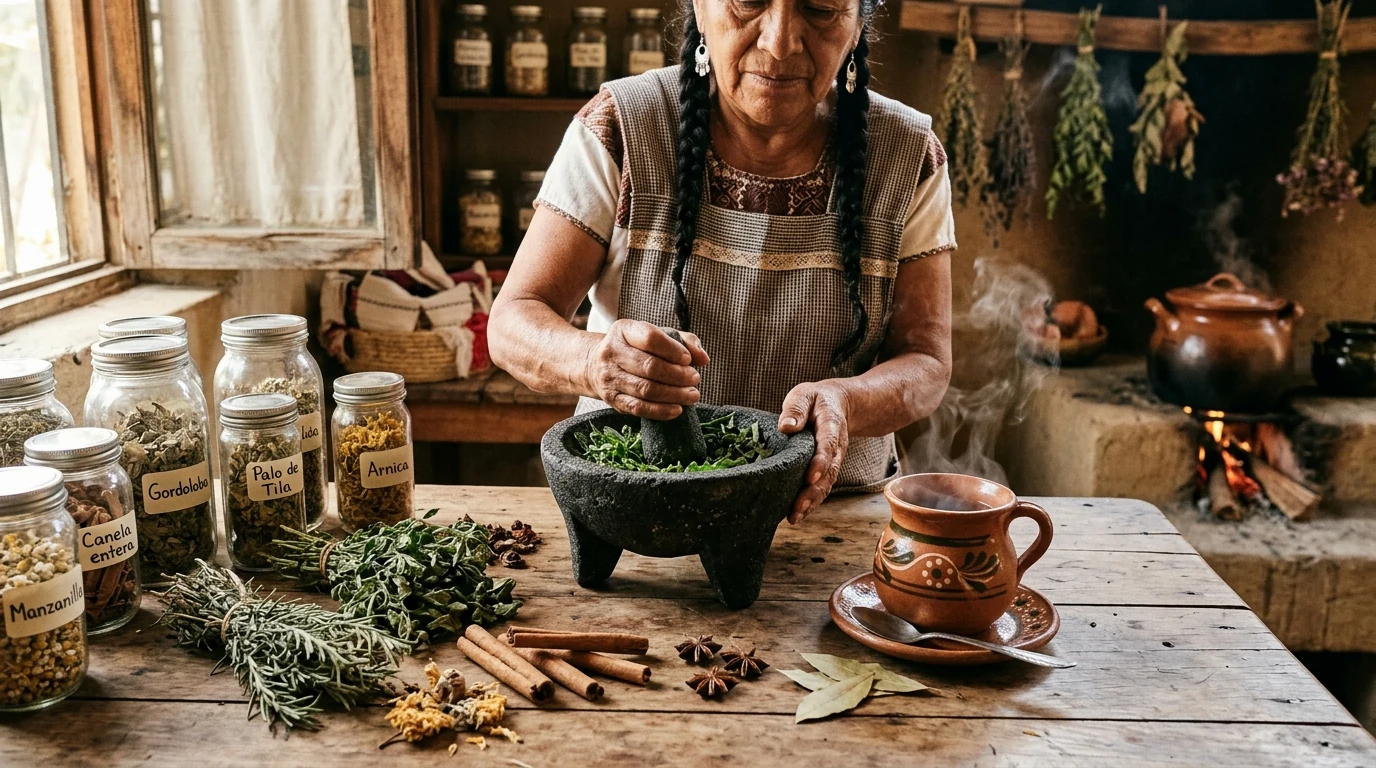
Bridging the gap between traditional Mexican herbalism and clinical practice requires a structured, respectful approach. By utilizing these specialized guides, healthcare providers can transform anecdotal patient reports into actionable clinical data, ensuring patient safety while honoring cultural heritage.
To effectively integrate this knowledge into community health workflows, follow these strategic steps:
- Patient Counseling: Use the books as visual and educational aids to validate the patient's cultural practices, encouraging open dialogue about the specific plants and dosages being used.
- Precise Documentation: Record herbal intake in medical charts using the botanical names provided in the texts to avoid confusion between common regional names.
- Risk Mitigation: Cross-reference herbal entries with pharmacological databases to identify potential herb-drug interactions, preventing adverse reactions.
- Collaborative Care: Establish a communication bridge between clinicians and traditional healers, using the guides as a common technical language to coordinate holistic treatment plans.
Integrating traditional knowledge does not mean replacing evidence-based medicine, but rather expanding the clinician's toolkit to provide culturally competent, patient-centered care.
¿Deseas profundizar en Libros de herbolaria mexicana para centros de salud comunitarios?
Consulta la selección de libros oficiales, manuales de botica y hierbas auténticas disponibles en Amazon con envío prioritario:
Check Prices and Deals on Amazon ↗Frequently Asked Questions about Mexican Herbalism Books
What should a community health center look for in a Mexican herbalism book?
Look for clear botanical identification, evidence-based dosing, documented active compounds, safety warnings, contraindications, and guidance on integrating traditional use with modern primary care.
How can health centers ensure Mexican herbs are used safely by patients?
Health centers should maintain an updated herbal reference, screen for drug-herb interactions, document patient use, train staff on red-flag symptoms, and coordinate care with clinicians and trained traditional healers.