Libros de herbolaria mexicana para bibliotecas escolares
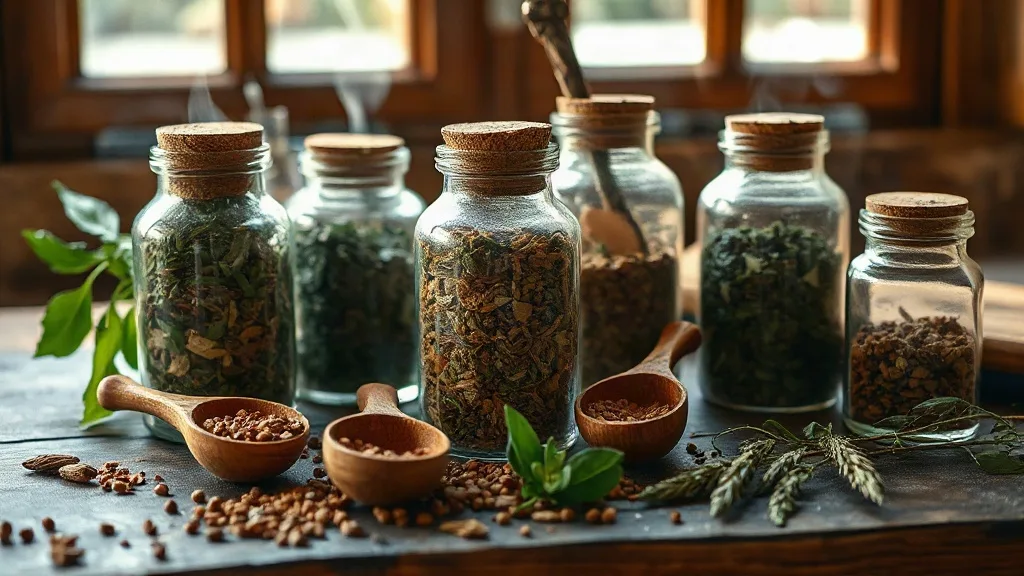
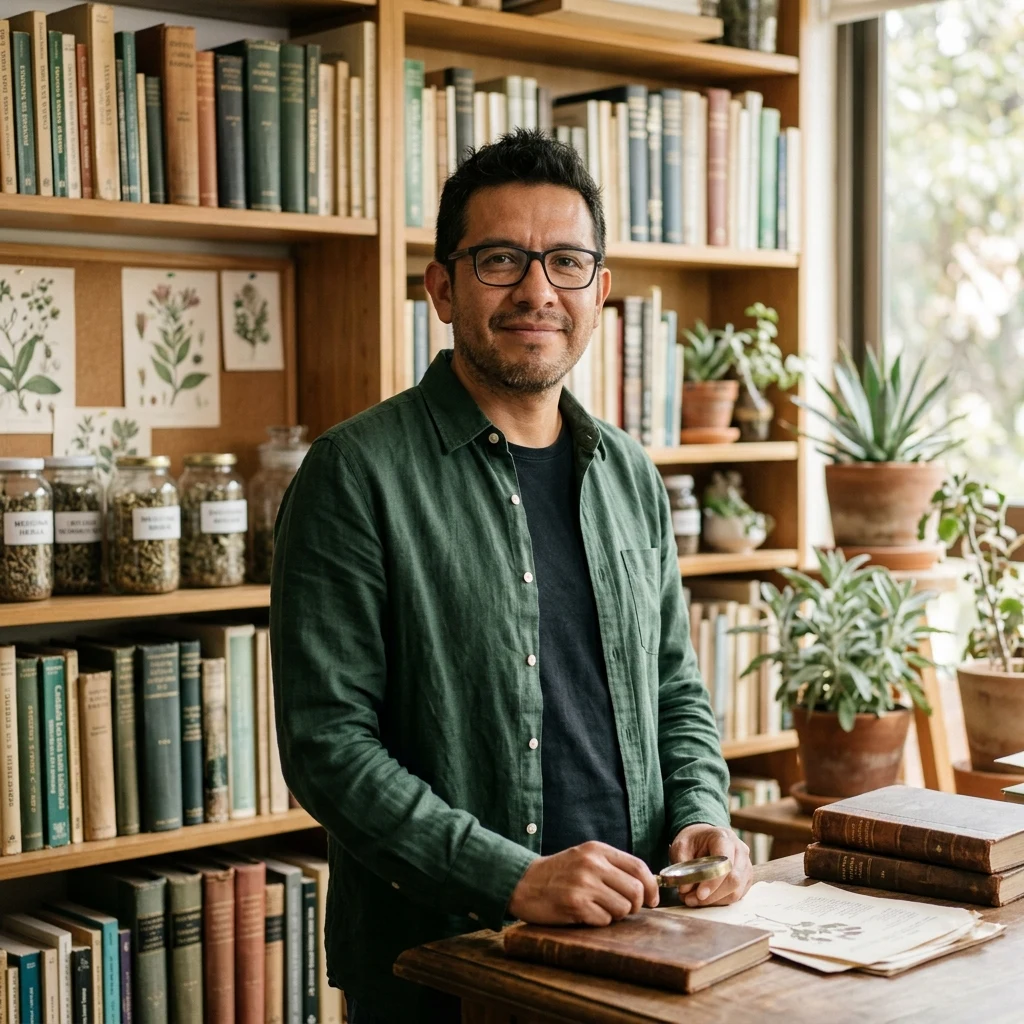
Key Summary: Prioritize illustrated, expert-vetted guides that blend ancestral Mexican ethnobotany with modern safety standards. Focus on titles emphasizing conservation and cultural heritage over self-medication. These resources transform school libraries into vibrant hubs for ecological awareness, bridging traditional indigenous wisdom with age-appropriate, scientific botanical learning.
Why School Libraries Need Curated Mexican Herbalism Collections
There is a surging interest among students and local communities in reclaiming traditional Mexican medicine, a practice deeply woven into the cultural fabric of many families. This curiosity represents a unique pedagogical opportunity to bridge the gap between ancestral wisdom and formal education. By integrating curated herbalism collections, school libraries provide essential, culturally relevant resources that enrich both STEM curricula—through botany and pharmacology—and social studies, by validating indigenous knowledge systems.
However, the accessibility of unverified information online poses a significant risk. Without guided, age-appropriate materials, students may encounter misinformation or be tempted toward unsafe self-medication. A curated collection ensures that exploration is grounded in safety and academic rigor.
- Cultural Validation: Empowers students of Mexican heritage by recognizing their community's intellectual contributions.
- Interdisciplinary Learning: Connects biology, history, and ethics through the study of medicinal plants.
- Safe Exploration: Replaces unreliable internet sources with vetted, expert-led literature that emphasizes caution and professional guidance.
Ultimately, providing these resources transforms the library into a hub of inclusive discovery, where tradition and science coexist to foster a holistic understanding of health and heritage.
How to Select the Right Mexican Herbalism Books for Your Students
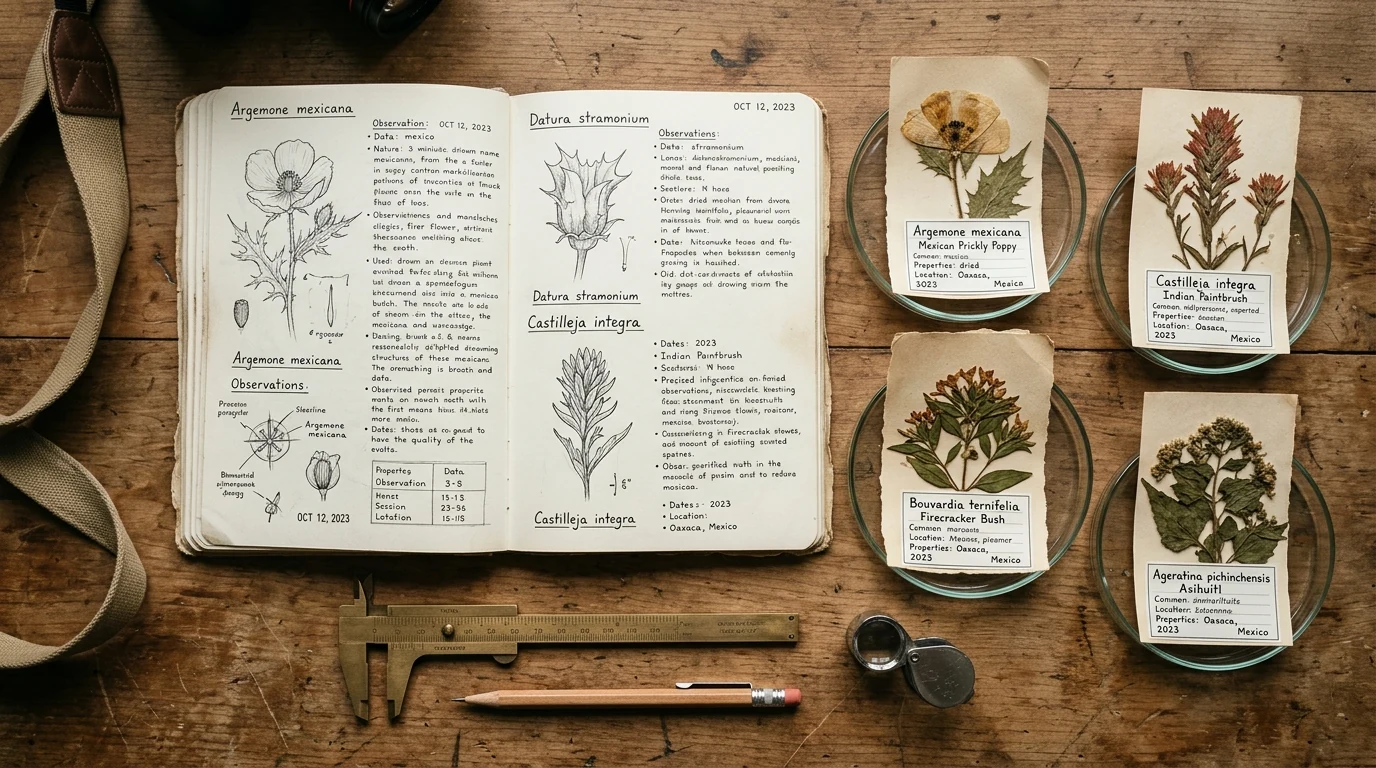
Curating a collection on Mexican herbalism requires a delicate balance between botanical science and cultural heritage. To ensure your library provides resources that are both educational and safe, use the following selection checklist to vet potential titles:
- Author Credentials & Accuracy: Verify that authors are recognized botanists, ethnobotanists, or certified practitioners. Cross-reference plant identifications to ensure botanical accuracy.
- Safety First: Prioritize books that include clear, prominent safety disclaimers regarding toxicity, dosage, and medical contraindications.
- Ethical Representation: Ensure the text treats Indigenous knowledge with respect and reciprocity, avoiding appropriation and acknowledging the traditional custodians of this wisdom.
- Regional Relevance: Select books that focus on plants native to Mexico or those easily identifiable within your specific geographic region.
- Pedagogical Fit: Assess the reading level and structure to ensure they align with your curriculum and the students' cognitive development.
Pro Tip: Look for multidisciplinary works that bridge the gap between ancestral tradition and modern pharmacology to foster critical thinking in your students.
Top Recommended Titles and Resources for School Libraries
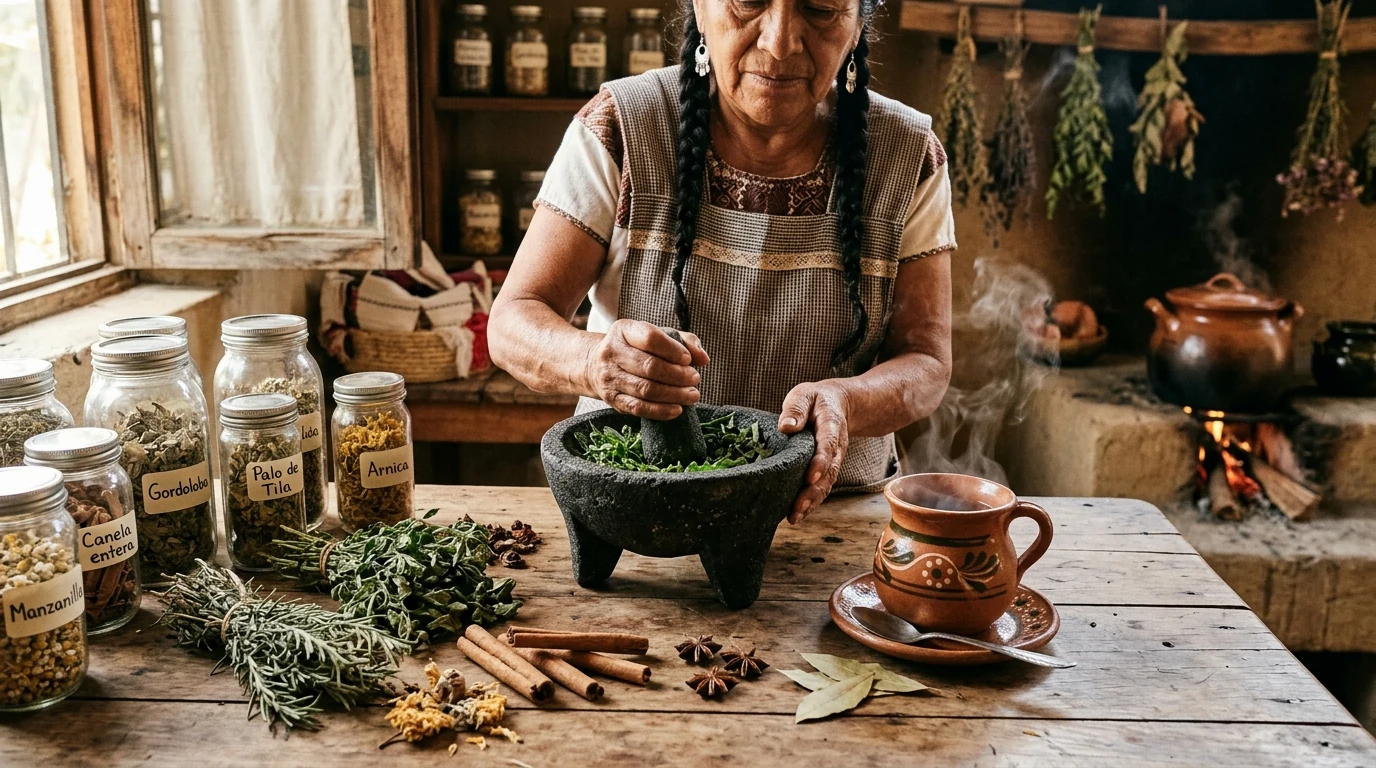
Curating a collection on Mexican herbalism requires a balance between ancestral wisdom and scientific rigor. To foster a comprehensive learning environment, libraries should diversify their acquisitions across four key pillars:
- Illustrated Field Guides: Essential for visual identification of endemic species and understanding local biodiversity.
- Ethnobotanical Histories: Texts that explore the intersection of indigenous knowledge and colonial influence, providing critical cultural context.
- Cultural Atlases: Resources that map the geographic distribution of medicinal plants across Mexico's diverse ecosystems.
- Hands-on Projects: Practical manuals for creating school herbariums or sustainable medicinal gardens.
To acquire these titles, we recommend partnering with academic publishers specializing in Latin American botany and sourcing curated bundles from certified botanical institutions. For maximum impact, these resources should be displayed in a dedicated "Nature & Wellness" hub. To ensure student safety, always position these works alongside trusted health references and pharmacological guides, creating a curated dialogue between traditional practice and modern evidence-based medicine.
¿Deseas profundizar en Libros de herbolaria mexicana para bibliotecas escolares?
Consulta la selección de libros oficiales, manuales de botica y hierbas auténticas disponibles en Amazon con envío prioritario:
Check Prices and Deals on Amazon ↗Frequently Asked Questions about Mexican Herbalism Books
What makes a Mexican herbalism book appropriate for a school library?
It should be authored or reviewed by recognized botanists or ethnobotanists, include clear safety disclaimers, match the students' reading level, present traditional knowledge respectfully, and support science, health, or social-studies curricula without promoting unsupervised medicinal use.
How can teachers use these books without encouraging unsafe self-medication?
Present the books as cultural, historical, and botanical resources; focus on plant identification, traditional knowledge, and ecological roles rather than dosage or treatment; pair readings with supervised garden, herbarium, or cooking activities; and always direct health questions to qualified professionals.