Comparativa: libros de herbolaria mexicana para terapeutas vs jardineros
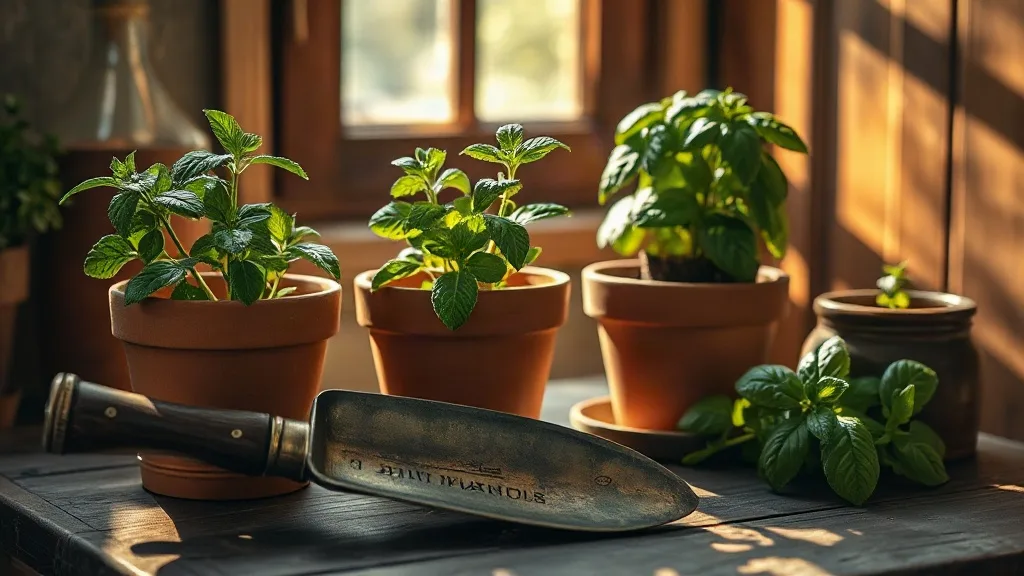
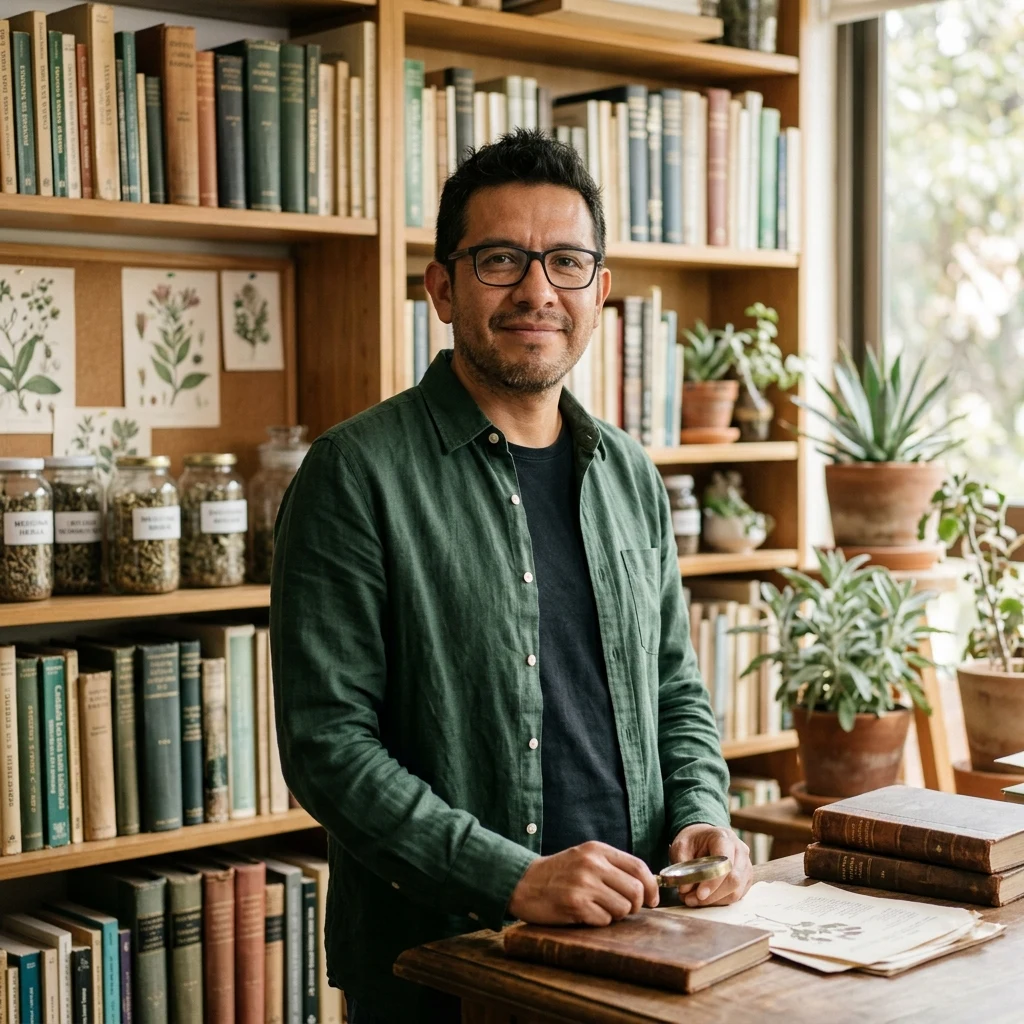
Key Summary: Choose therapist-focused guides for clinical dosages, pharmacology, and therapeutic applications. For gardeners, prioritize manuals on cultivation, soil health, and botanical identification. While both cover Mexican flora, the former emphasizes healing efficacy, whereas the latter focuses on sustainable growth and species preservation. Select based on your goal.
Why Your Purpose Changes the Right Book Choice
When diving into the vast world of Mexican herbalism, the "best" book isn't defined by its popularity, but by your specific objective. While both therapists and gardeners share a passion for plants, their technical needs are fundamentally different. Choosing a resource that doesn't align with your goal can lead to gaps in critical knowledge or unnecessary complexity.
If your goal is clinical application, you need a therapist-oriented guide. These texts prioritize the pharmacological and safety aspects of the plant, focusing on:
- Botanical Identification: Precise taxonomy to avoid toxic look-alikes.
- Active Compounds: The chemistry behind the healing properties.
- Dosage & Safety: Contraindications and precise therapeutic windows.
- Clinical Application: How to administer the plant for specific health outcomes.
Conversely, if your passion is stewardship, a gardener-oriented book is essential. These resources shift the focus from the pharmacy to the earth, detailing the lifecycle of the species through:
- Cultivation: Soil composition, pH levels, and nutrient requirements.
- Climate Adaptation: Understanding Mexican microclimates and sunlight needs.
- Propagation: Techniques for seeding, cuttings, and sustainable growth.
- Harvesting: The optimal timing to preserve the plant's vitality.
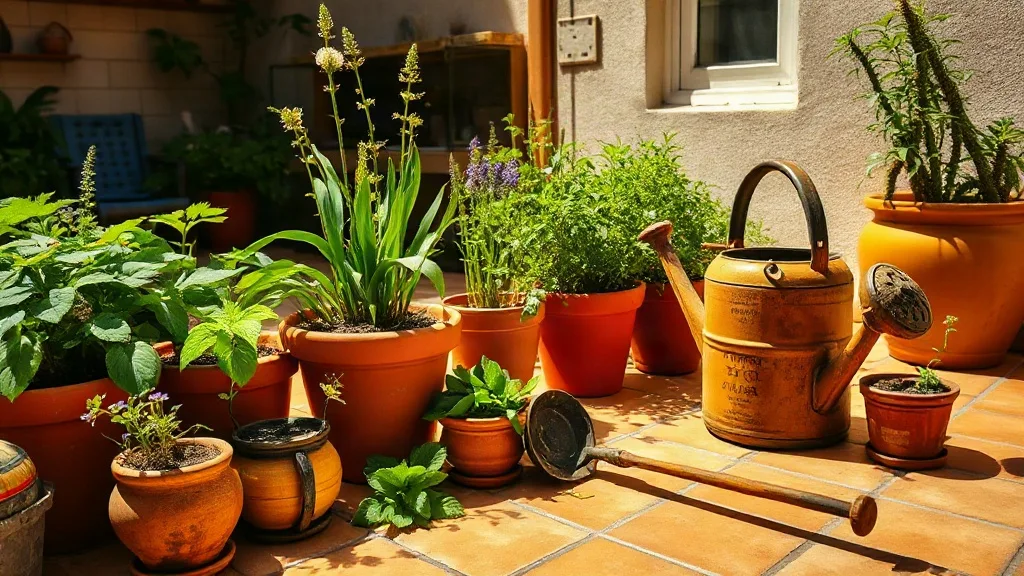
Essential Medicinal Plants Every Mexican Herbal Library Should Cover
A comprehensive guide to Mexican herbalism must bridge the gap between botanical cultivation and clinical application. To build a truly functional library, certain cornerstone species are non-negotiable, as they represent the intersection of ancestral wisdom and pharmacological efficacy.
- Arnica & Valeriana: Essential for managing inflammation and sleep disorders.
- Damiana & Passionflower: Key for treating anxiety and hormonal balance.
- Cuachalalate: A powerhouse for gastric mucosal repair.
However, the utility of the information depends entirely on the reader's objective. The requirements for a practitioner differ fundamentally from those of a cultivator:
For the Therapist: The focus must be clinical. High-quality resources should prioritize precise preparation methods (tinctures vs. infusions), standardized dosages, and critical contraindications to ensure patient safety.
For the Gardener: The focus is biological. Essential data includes growing conditions (soil pH, sunlight, and humidity), propagation techniques, and the exact harvest timing to maximize the concentration of active compounds.
Whether documenting the therapeutic potency of Passionflower or the soil needs of Damiana, a superior herbal library serves both the healer's precision and the grower's patience.
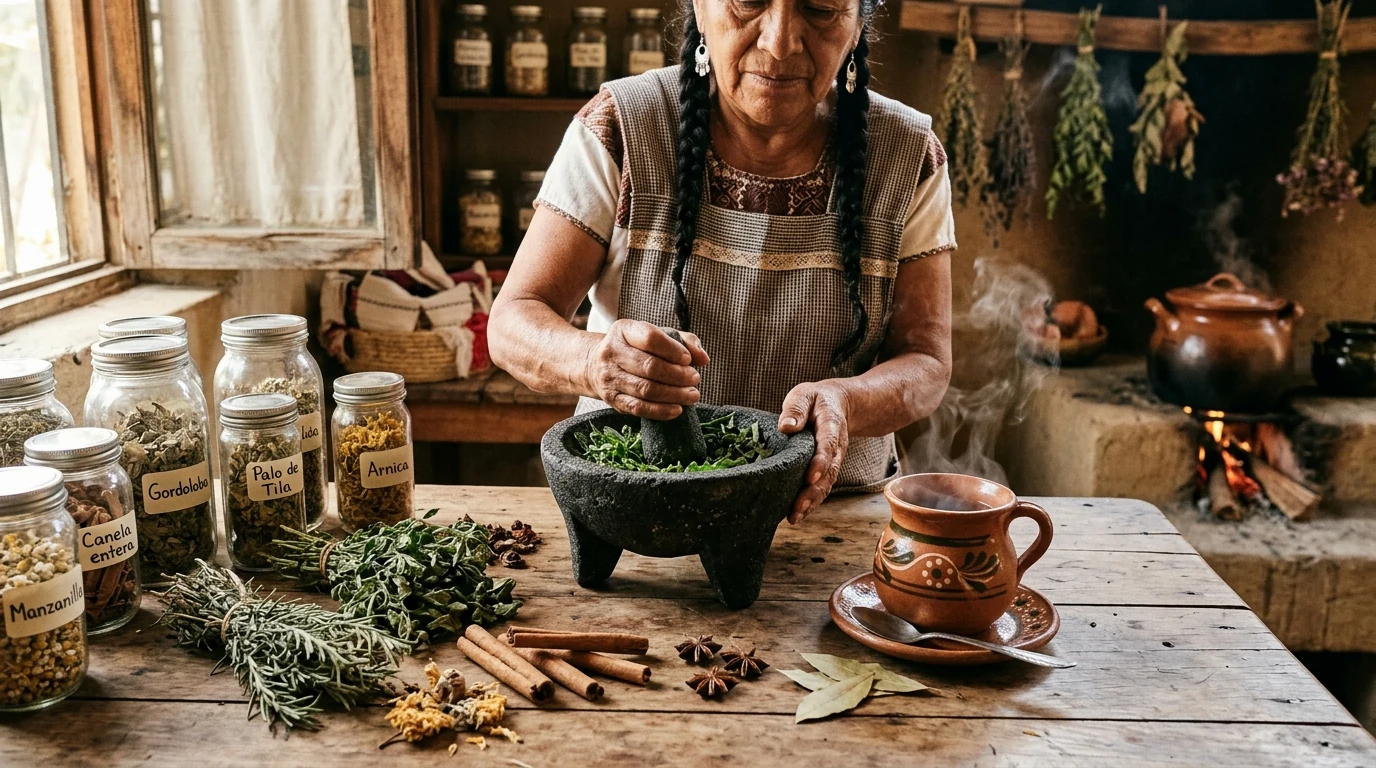
Side-by-Side Comparison: Therapist Editions vs Gardener Field Guides
Choosing the right herbal resource depends entirely on your objective: clinical application or botanical cultivation. While both categories cover Mexican traditional medicine, their structural priorities differ significantly to serve distinct user needs.
- Therapist Editions: These resources prioritize scientific rigor and pharmacological safety. They focus heavily on dosage, contraindications, and detailed safety warnings to prevent adverse drug interactions. The content is geared toward therapeutic efficacy and patient wellness.
- Gardener Field Guides: These manuals emphasize cultivation detail, focusing on soil pH, propagation techniques, and seasonal care. Their primary strength lies in high-quality illustrations and botanical sketches designed for accurate species identification in the wild.
Pro Tip: For those seeking accessible knowledge, many academic repositories and cultural archives offer free PDFs of Mexican traditional medicine books, providing a bridge between ancestral wisdom and modern botanical study.
Ultimately, a therapist requires a pharmacopeia to ensure patient safety, whereas a gardener needs a field guide to ensure plant vitality. For a comprehensive practice, integrating both perspectives is the gold standard for mastering Mexican herbolaria.
¿Deseas profundizar en Comparativa: libros de herbolaria mexicana para terapeutas vs jardineros?
Consulta la selección de libros oficiales, manuales de botica y hierbas auténticas disponibles en Amazon con envío prioritario:
Check Prices and Deals on Amazon ↗Frequently Asked Questions about Mexican Herbalism Books
What is the main difference between Mexican herbalism books for therapists and those for gardeners?
Therapist-focused books emphasize botanical identification, active compounds, safe dosage, preparations, and clinical contraindications. Gardener-focused books emphasize cultivation, soil, climate, propagation, harvesting, and plant maintenance.
Are free PDFs of Mexican traditional medicine books reliable for therapeutic use?
Free PDFs can be useful for reference and historical context, but they should not replace peer-reviewed, professionally edited books or guidance from a qualified health practitioner when used for therapeutic purposes.