Comparativa: libros de herbolaria mexicana para niños
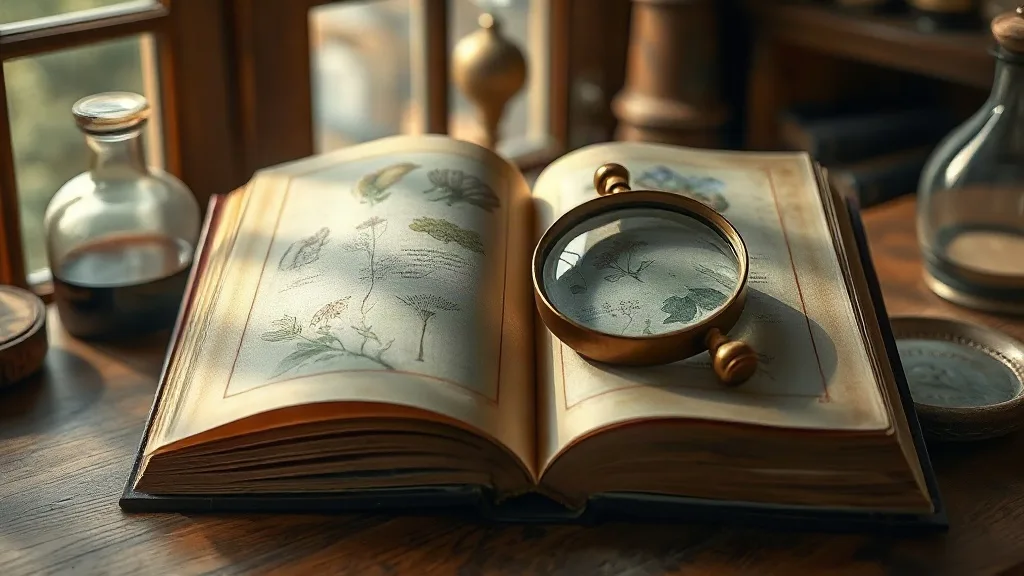
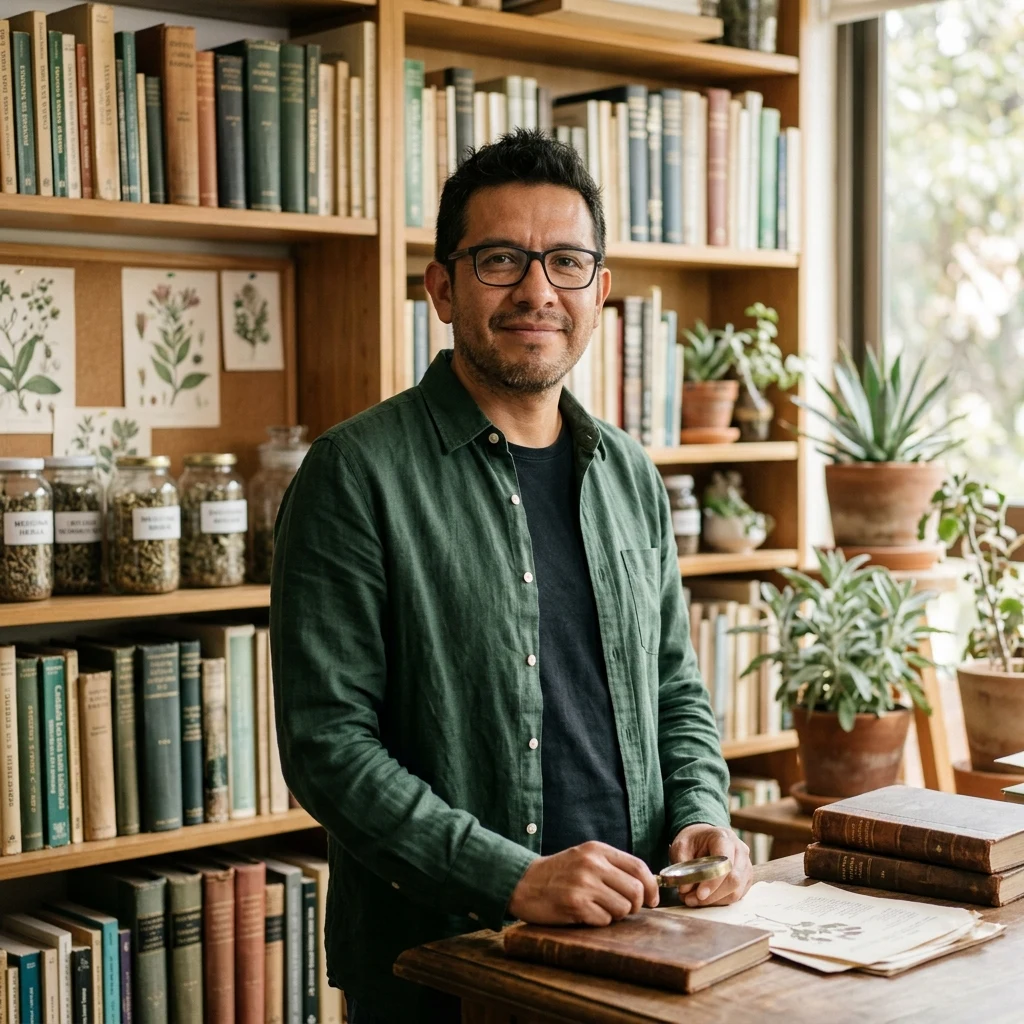
Key Summary: For children, the best Mexican herbalism books balance scientific rigor with vibrant illustrations. Prioritize titles that emphasize safety, cultural heritage, and interactive identification. While some focus on folklore, the top choices integrate botanical accuracy, making them accessible, educational, and inspiring tools for young nature lovers.
Why Teach Mexican Herbalism to Children Safely
There is a burgeoning global interest in reconnecting children with the ancestral wisdom of Mexican herbalism. Beyond simple gardening, introducing kids to ethnobotany fosters a deep respect for biodiversity and preserves a rich cultural heritage that views nature as a source of healing and balance.
However, this exploration comes with significant responsibilities. The line between a beneficial tea and a toxic reaction can be thin, and the risks of unsupervised self-medication are real. Traditional knowledge, while powerful, must be filtered through a lens of modern safety to prevent accidents or adverse reactions in developing bodies.
To bridge this gap, there is an urgent need for trusted, age-appropriate resources. The ideal educational approach should:
- Blend Tradition with Science: Integrating indigenous knowledge with contemporary botanical safety standards.
- Prioritize Supervision: Emphasizing that plant medicine is a collaborative activity between child and guardian.
- Encourage Critical Thinking: Teaching children how to identify plants accurately before considering their uses.
By utilizing curated guides, we can transform curiosity into a safe, lifelong appreciation for the natural pharmacy of Mexico.
Key Medicinal Plants and Safe Practices for Children
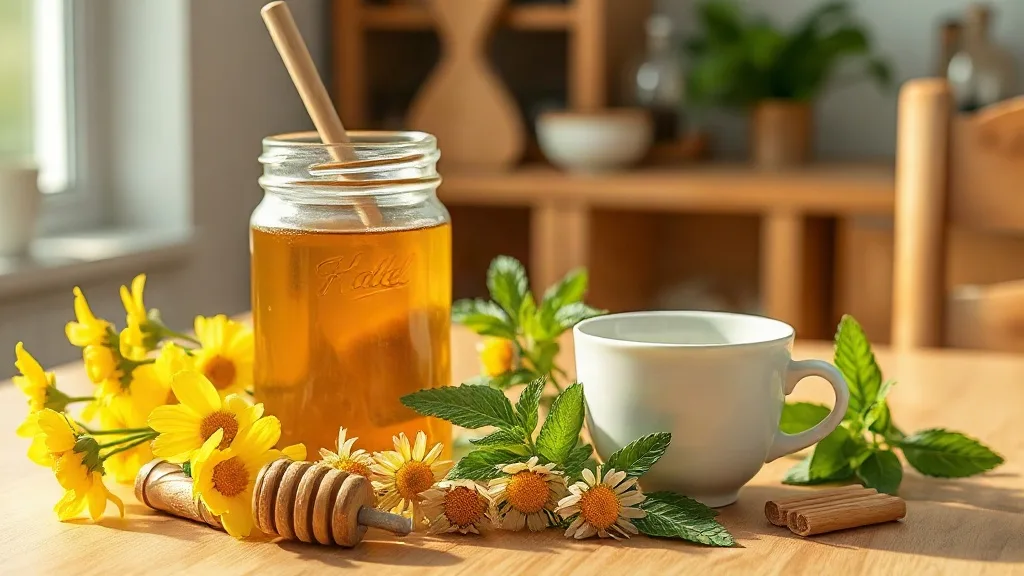
Integrating Mexican herbalism into a child's wellness routine requires a balance of ancestral wisdom and modern safety. Many traditional plants are gentle yet effective for common ailments when used correctly. For instance, Chamomile (Manzanilla) is prized for soothing digestive upsets and anxiety, Peppermint (Menta) helps alleviate respiratory congestion, and Linden (Tila) is a go-to for promoting relaxation and better sleep.
To ensure safety, preparation and dosage must be tailored to the child's age and weight. General guidelines include:
- Preparation: Opt for mild infusions rather than concentrated decoctions to avoid overpowering the child's system.
- Dosage: Use diluted amounts, typically starting with a small teaspoon to monitor for allergic reactions.
- Quality: Ensure plants are organic and free from pesticides.
Crucial Safety Note: Herbal remedies should complement, not replace, professional medical care. Always consult a pediatrician before introducing new herbs, especially for infants or children with pre-existing conditions or those taking prescription medications.
By following these principles, parents can safely harness the healing power of Mexico's botanical heritage to support their children's health naturally.
Top Mexican Herbalism Books for Kids Compared
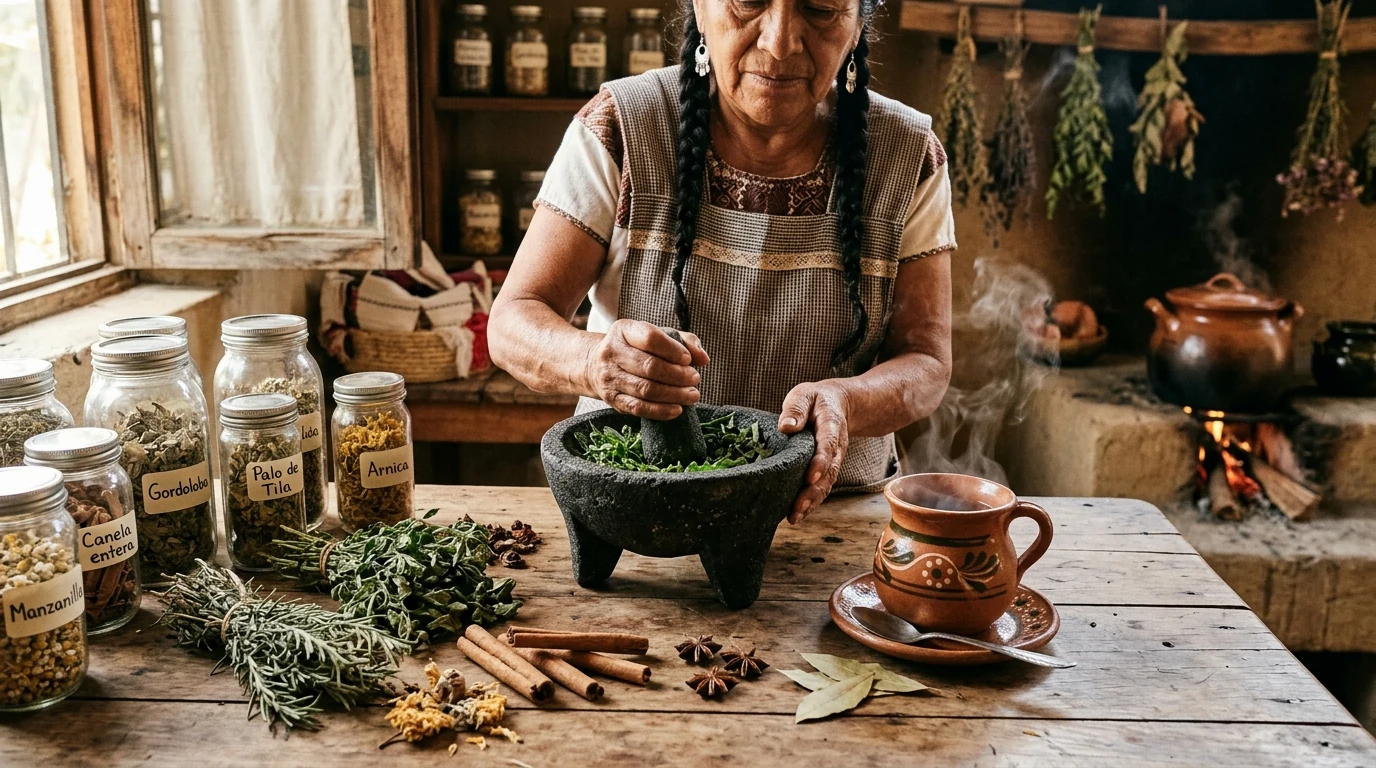
Selecting the right introduction to Mexican herbalism for children requires a balance between botanical accuracy and engaging storytelling. While many resources exist, the best options distinguish themselves by how they translate complex ancestral knowledge into child-friendly language without losing cultural essence.
When comparing the top recommendations, we evaluate them based on these critical pillars:
- Content Depth & Cultural Context: We prioritize books that go beyond a simple list of plants, integrating the history of indigenous wisdom and the spiritual connection to the land.
- Visual Engagement: High-quality illustrations are non-negotiable. We look for vivid, accurate depictions that help children identify plants in nature safely.
- Safety & Guidance: The best resources include clear safety warnings, emphasizing that herbalism should always be practiced under adult supervision.
- Accessibility: We compare availability across formats, noting whether a resource is a premium hardcover print or a convenient, downloadable PDF for quick classroom use.
The ideal choice depends on the child's age: younger readers benefit from illustration-heavy guides, while older children thrive with deeper dives into the pharmacological properties of Mexican flora.
¿Deseas profundizar en Comparativa: libros de herbolaria mexicana para niños?
Consulta la selección de libros oficiales, manuales de botica y hierbas auténticas disponibles en Amazon con envío prioritario:
Check Prices and Deals on Amazon ↗Frequently Asked Questions about Mexican Herbalism Books
Is Mexican herbalism safe for children?
Yes, when guided by reliable sources and age-appropriate dosages. It is essential to use books written by qualified herbalists or ethnobotanists and to consult a pediatric healthcare provider before giving any plant remedy to a child.
What should I look for in a Mexican herbalism book for kids?
Look for clear botanical identification, safe dosage instructions for children, culturally grounded information, practical preparation guides, and guidance on when to seek professional medical advice. Availability in PDF or print can also be a deciding factor.