Comparativa: libros de herbolaria mexicana con enfoque cultural vs medicinal
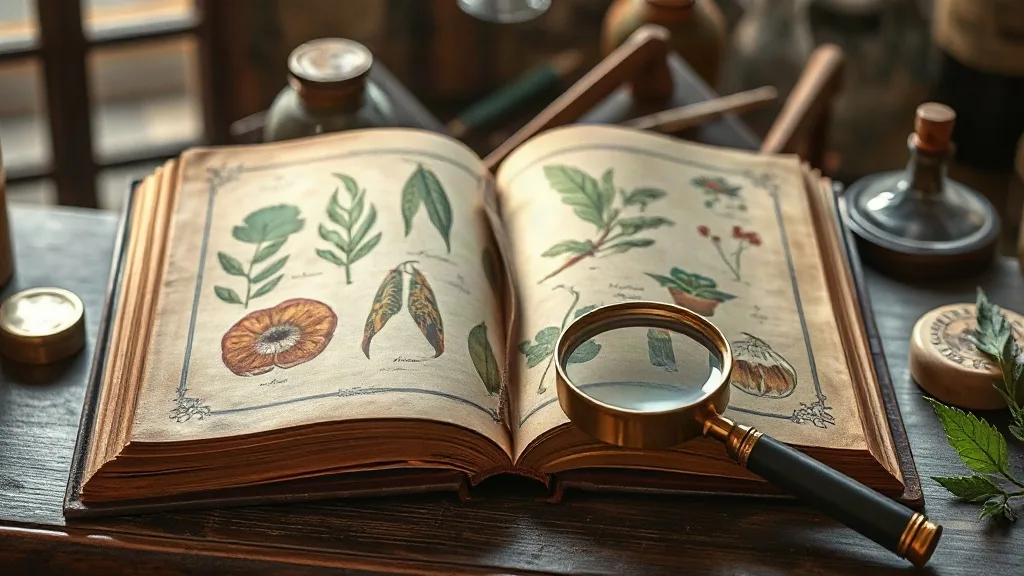

Key Summary: Choose cultural guides for anthropological depth and ancestral wisdom, ideal for holistic understanding. Opt for medicinal manuals for precise dosages and therapeutic applications. While cultural texts preserve heritage, medicinal ones prioritize clinical efficacy; the best approach combines both for a rigorous yet soulful botanical practice.
What Sets Cultural and Medicinal Mexican Herbalism Books Apart?
Navigating the vast landscape of Mexican herbalism requires understanding a fundamental distinction: the difference between a cultural narrative and a medicinal manual. While both celebrate the region's biodiversity, their objectives and methodologies diverge significantly.
Cultural titles serve as guardians of heritage. They prioritize ethnobotanical history and the preservation of indigenous knowledge, weaving together the spiritual rituals and regional identities that define Mexico's relationship with nature. These works explore the "why" and "who," documenting how ancestral wisdom has shaped community health over centuries.
In contrast, medicinal titles are designed for practical, evidence-based application. Their focus shifts toward technical precision, emphasizing:
- Botanical Identification: Precise taxonomy to ensure the correct species is used.
- Pharmacology: Analysis of active compounds and their physiological effects.
- Safety Protocols: Detailed guidance on dosage, contraindications, and potential toxicity.
- Clinical Evidence: Integration of modern scientific research to validate traditional uses.
Ultimately, cultural books offer the soul and context of the tradition, while medicinal books provide the rigorous framework necessary for safe and effective therapeutic implementation.
Key Books and How to Choose the Right One for You
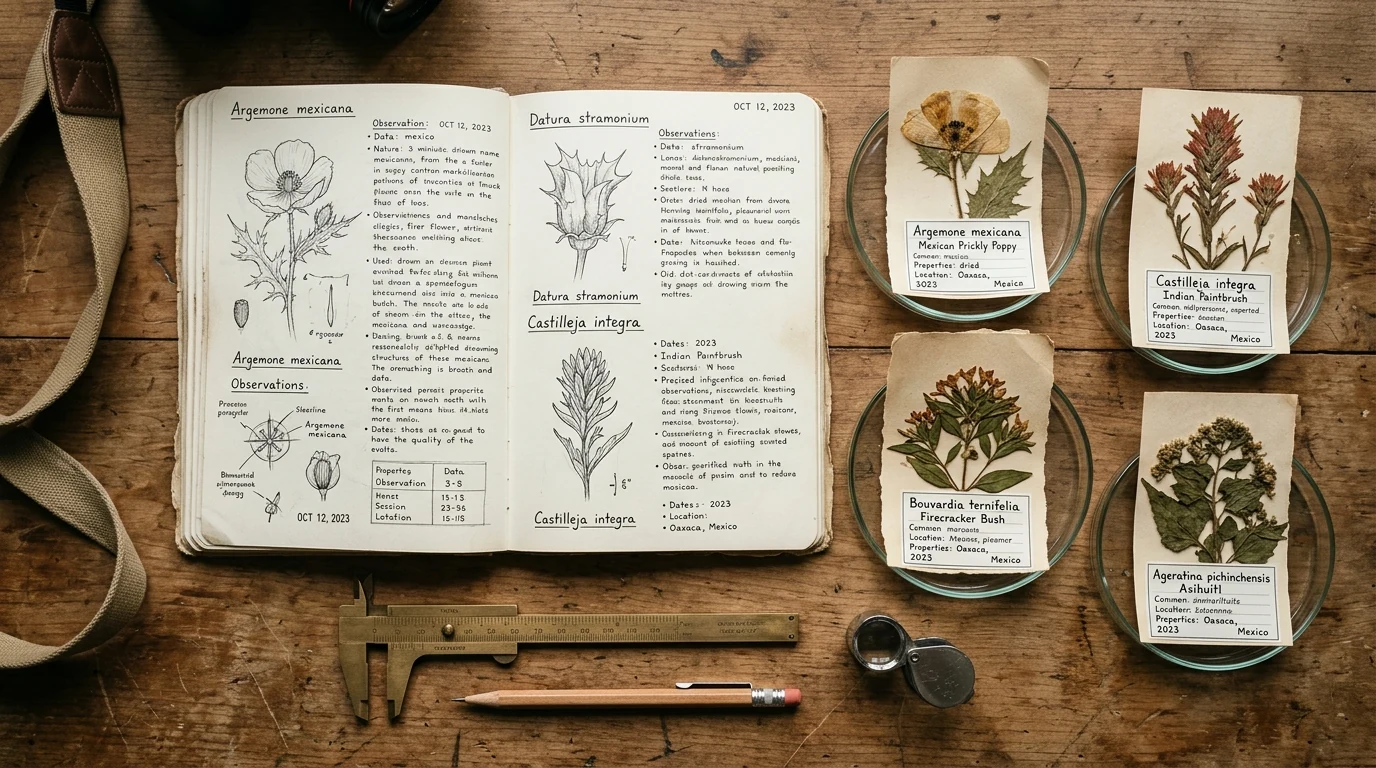
Selecting the right guide depends on whether you seek to preserve ancestral wisdom or apply botanical remedies to specific health concerns. To help you navigate the vast landscape of Mexican herbalism, we have categorized the most representative titles by their primary objective.
- Cultural & Ethnobotanical Approach: Ideal for historians, anthropologists, or those seeking a holistic connection to the land. These works focus on the cosmovision, ritual use, and the symbiotic relationship between indigenous communities and nature. Choose these if your goal is to understand the "why" and the heritage behind the plant.
- Medicinal & Pharmacological Approach: Designed for practitioners, students, or home-remedy enthusiasts. These texts prioritize active compounds, dosage, contraindications, and specific therapeutic applications. Choose these if you need a practical manual to address symptoms or integrate herbalism into a wellness routine.
Quick Tip: If you are a beginner, we recommend starting with a cultural guide to respect the tradition, then transitioning to a medicinal manual for safe, technical application.
Side-by-Side Comparison and Recommended Reading List
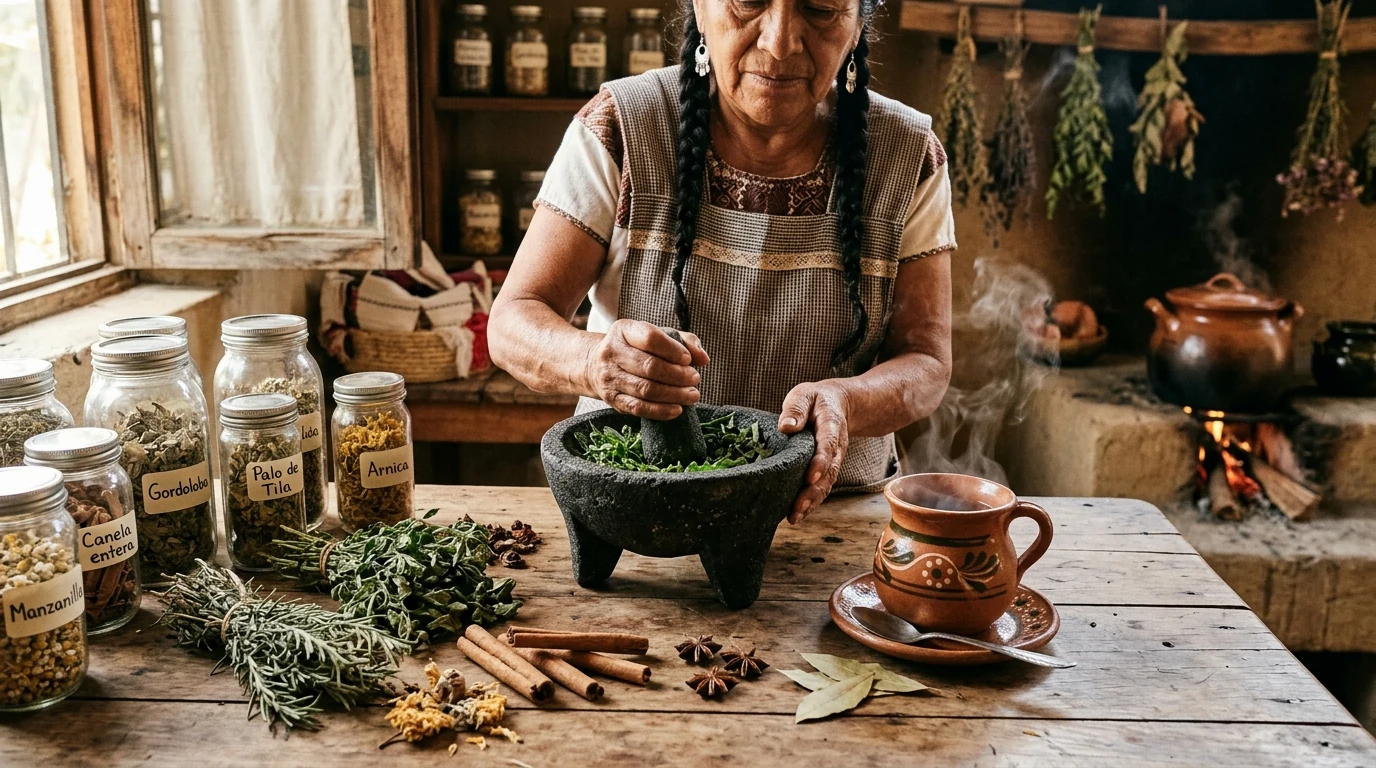
Navigating the vast literature of Mexican herbalism requires distinguishing between the cultural-ethnographic approach and the clinical-medicinal perspective. While the former preserves the ancestral wisdom, spiritual cosmology, and social rituals of the curanderos, the latter focuses on pharmacognosy, active compounds, and therapeutic dosages for modern application.
| Focus | Cultural Herbalism | Medicinal Herbalism |
|---|---|---|
| Primary Goal | Preservation of tradition & identity | Treatment of specific ailments |
| Methodology | Oral history & anthropological study | Clinical observation & biochemistry |
| Key Element | The ritual and the healer's lineage | The plant's chemical efficacy |
To build a balanced library, we recommend the following paths based on your profile:
- For Scholars: Prioritize ethnographic texts that document indigenous languages and the socio-political history of Mesoamerican medicine.
- For Practitioners: Seek comprehensive pharmacopeias that bridge traditional usage with safety protocols and contraindications.
- For Curious Beginners: Start with illustrated guides that introduce common native species and their basic domestic uses.
True mastery of Mexican herbalism lies at the intersection of both: respecting the spirit of the tradition while ensuring the safety of the science.
¿Deseas profundizar en Comparativa: libros de herbolaria mexicana con enfoque cultural vs medicinal?
Consulta la selección de libros oficiales, manuales de botica y hierbas auténticas disponibles en Amazon con envío prioritario:
Check Prices and Deals on Amazon ↗Frequently Asked Questions about Mexican Herbalism Books
What is the difference between a cultural and a medicinal Mexican herbalism book?
A cultural book documents traditional knowledge, regional uses, rituals, and the social history of plants, while a medicinal book prioritizes botanical identification, active principles, dosage, contraindications, and safe therapeutic application.
Can I rely on a cultural herbalism book for self-medication?
Cultural books are valuable for understanding traditional practices, but they are not substitutes for medical guidance; for self-medication, choose a medicinal herbalism book that provides verified dosage, safety data, and contraindications, and consult a healthcare professional.