Comparativa: libros de herbolaria mexicana con casos de uso vs teoría general
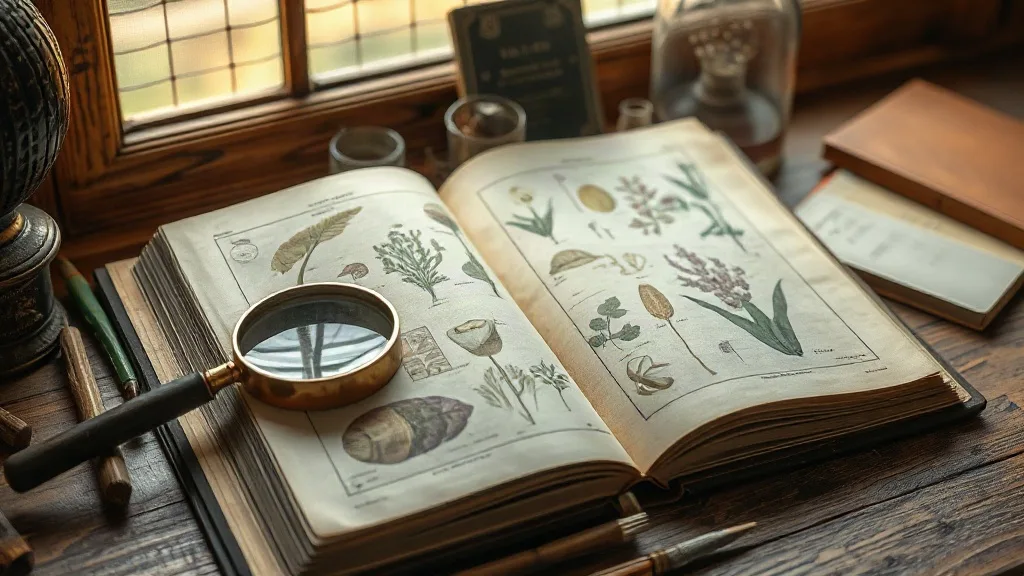

Key Summary: While general theory provides a vital scientific foundation, books featuring practical case studies are superior for real-world application. For beginners, a hybrid approach is ideal: use theoretical guides for safety and case-based manuals to master the precise, traditional dosage and administration of Mexican herbs.
Why the Right Mexican Herbalism Book Matters: Cases vs. Theory
When exploring the vast landscape of Mexican botanical medicine, the distinction between a theoretical manual and a case-based guide is not merely academic—it is a matter of safety and efficacy. Many general texts offer a "dictionary style" approach, listing plants and their alleged properties in isolation. While useful for basic identification, theory alone lacks the nuance of clinical application.
Choosing a purely theoretical source over one rooted in real-world cases can lead to critical errors, including:
- Inaccurate Dosing: Theoretical guides often provide generic ranges, whereas case-based books explain how dosages shift based on the patient's specific condition and reaction.
- Misidentification: Without contextual field notes and comparative cases, users risk confusing potent medicinal species with toxic look-alikes.
- Cultural Erosion: Theory strips the plant of its contexto—the traditional wisdom and ritual application that often dictate how a remedy is actually absorbed by the body.
"The gap between knowing a plant's properties and knowing how to treat a person is where true herbalism lives."
To practice safely, you need a resource that bridges the gap between the laboratory and the living room, prioritizing lived experience over abstract lists.
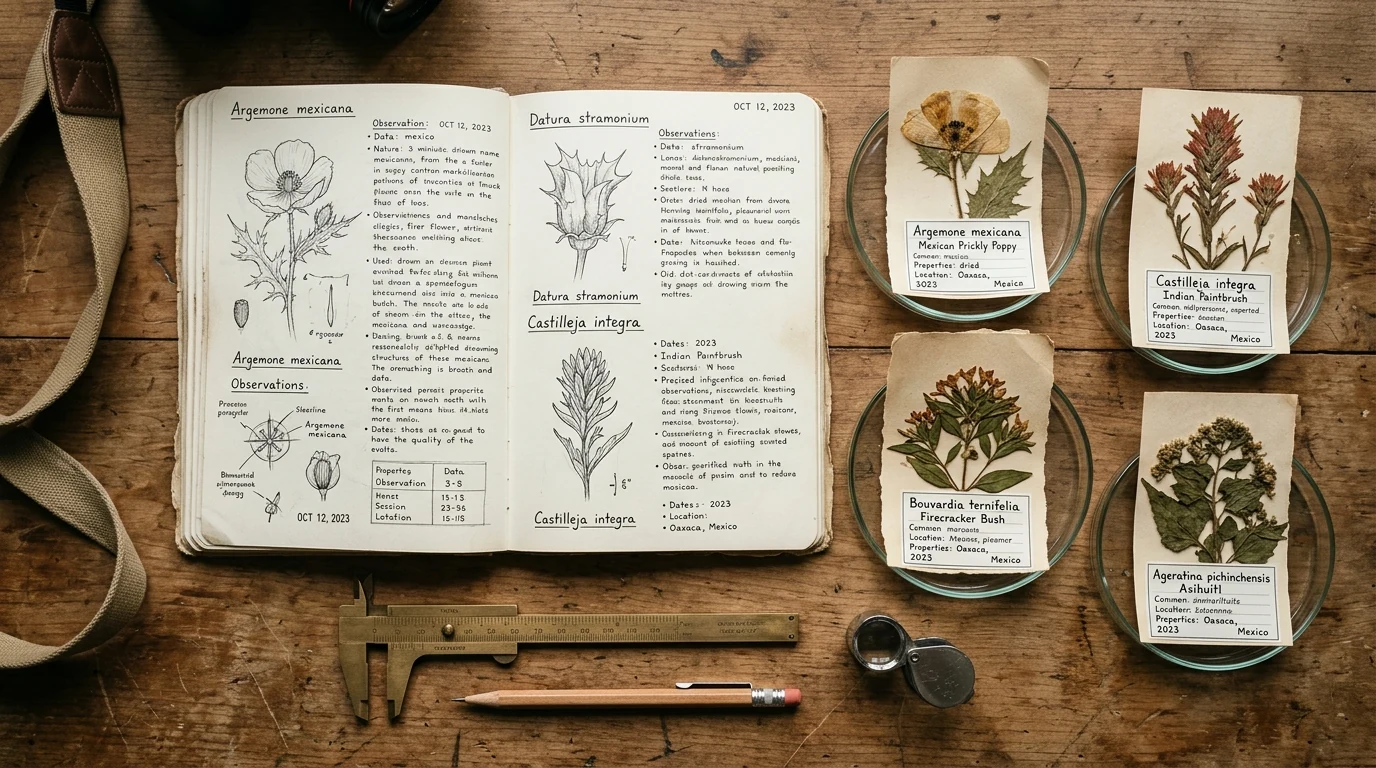
Top Mexican Herbalism Books with Real-World Use Cases
While general botanical guides offer theoretical knowledge, the most valuable resources for practitioners are those bridging the gap between identification and clinical application. The gold standard in Mexican herbalism is found in texts that prioritize empirical evidence and community-based case studies over abstract theory.
High-quality manuals distinguish themselves by providing precise protocols for traditional preparations. Instead of merely listing properties, these works detail step-by-step workflows for specific ailments:
- Damiana: Moving beyond "aphrodisiac" labels to specific dosages for nervous system support and anxiety.
- Cuachalalate: Clinical applications for gastric mucosa repair using decoctions.
- Epazote: Precise ratios for antiparasitic infusions and culinary safety.
- Ruda & Mexican Arnica: Comparative guides on topical poultices versus diluted tinctures for inflammatory relief.
The true value of these specialized books lies in their "Real-World Use Cases," transforming a plant list into a therapeutic roadmap that includes contraindications, precise dosing, and traditional harvesting cycles.
For those seeking mastery, prioritize authors who document ethnographic field work, as they provide the necessary context to apply Mexican botanical wisdom safely and effectively in modern settings.
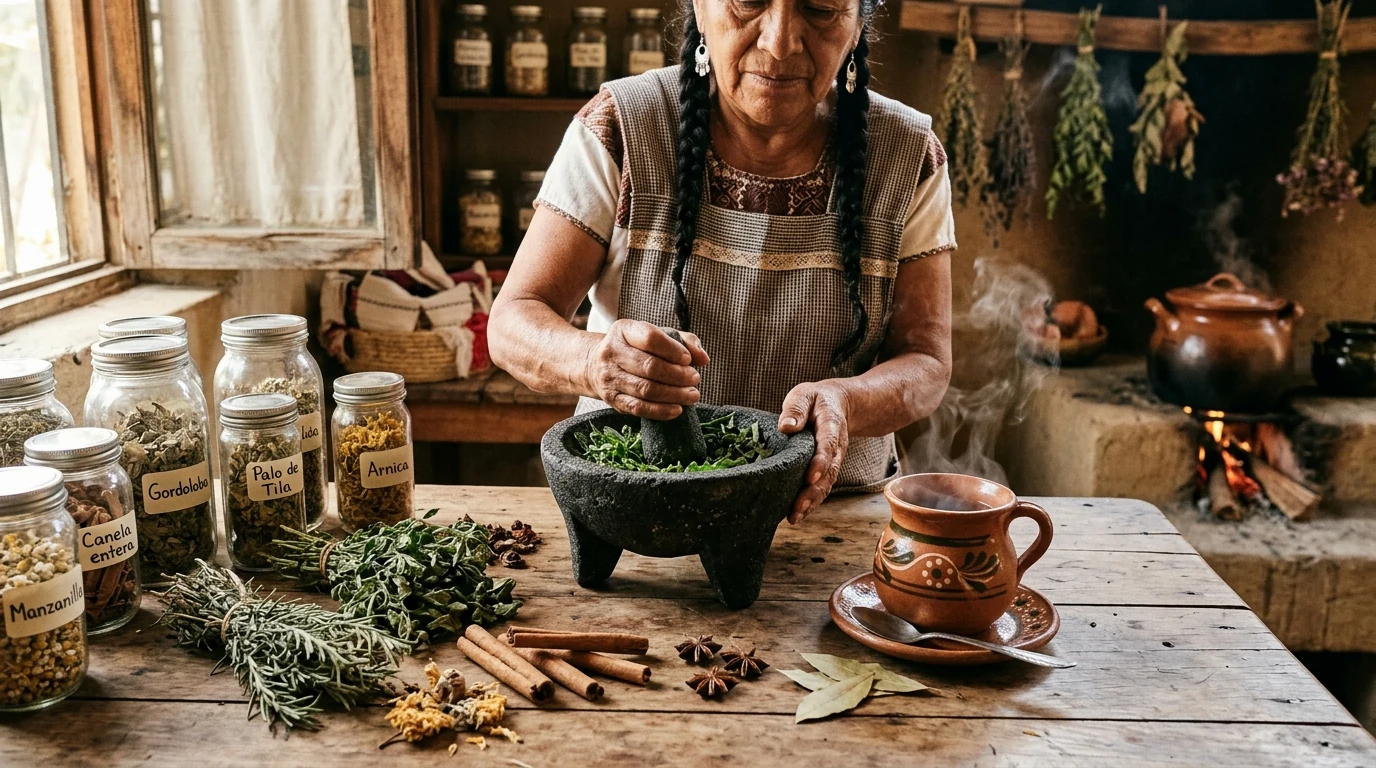
Case-Based vs. Theory-Driven Books: A Side-by-Side Comparison and Reading Roadmap
Navigating the vast literature of Mexican herbalism requires a strategic approach. While theory-driven texts provide the essential botanical and pharmacological scaffolding, case-based resources offer the practical nuance of traditional application. To optimize your learning curve, consider the following roadmap based on your current expertise:
- Beginners (Field Guides): Focus on theory-driven identification manuals. Priority: Botanical accuracy and safety warnings to avoid toxic look-alikes.
- Practitioners (Atlases & Compendiums): Transition to case-based guides. Priority: Dosage, preparation methods, and traditional usage patterns for specific ailments.
- Researchers (Academic Manuals): Integrate peer-reviewed pharmacological studies. Priority: Evidence-based validation and chemical constituents.
Pro Tip: Never rely on a single source. The safest and most effective methodology is a combined reading strategy: use theory-driven books to ensure plant identity and safety, then cross-reference with case-based texts to understand the holistic application in a clinical or traditional context.
By balancing the "what" (theory) with the "how" (case studies), you transform raw information into actionable, safe, and culturally respectful herbal knowledge.
¿Deseas profundizar en Comparativa: libros de herbolaria mexicana con casos de uso vs teoría general?
Consulta la selección de libros oficiales, manuales de botica y hierbas auténticas disponibles en Amazon con envío prioritario:
Check Prices and Deals on Amazon ↗Frequently Asked Questions about Mexican Herbalism Books
What is the difference between a case-based Mexican herbalism book and a general theory book?
A case-based book links specific ailments, patient profiles, or regional remedies to botanical identification, preparation methods, and dosage. A general theory book focuses on taxonomy, phytochemistry, history, and broad therapeutic principles without detailed applied examples.
Should a beginner start with a practical case book or a theoretical herbalism introduction?
Most beginners learn faster and more safely from a case-based guide that shows how to use common Mexican medicinal plants at home. After gaining practical confidence, a theoretical text helps deepen understanding of mechanisms, contraindications, and ethnobotanical context.