Comparativa: libro de herbolaria tradicional vs libro con enfoque científico


Key Summary: Choose traditional herbalism for cultural wisdom and holistic intuition, but opt for a scientific approach for safety, precise dosages, and evidence-based efficacy. For a complete understanding, combining both perspectives is ideal: blending ancestral experience with rigorous clinical validation ensures a balanced and secure healing journey.
What Is Herbolaria Mexicana UNAM and Why Does It Matter?
While traditional folk medicine offers a rich cultural tapestry of ancestral healing, there is a critical distinction between anecdotal herbalism and the evidence-based approach promoted by UNAM. Traditional guides often rely on oral tradition and "common names," which can lead to dangerous botanical misidentifications or imprecise applications.
UNAM’s approach transforms this heritage into a rigorous science. By integrating ethnobotany with pharmacology, it ensures that the use of Mexican flora is grounded in safety and clinical validity. The difference lies in three fundamental pillars:
- Botanical Precision: Moving beyond common names to scientific nomenclature, preventing the accidental use of toxic look-alikes.
- Standardized Dosage: Replacing "a pinch" or "a handful" with precise concentrations to avoid toxicity and ensure therapeutic efficacy.
- Evidence-Based Safety: Identifying contraindications and potential drug interactions through pharmacological study rather than trial and error.
Herbolaria Mexicana UNAM does not replace tradition; it validates it, bridging the gap between ancestral wisdom and modern medical safety to protect the patient.
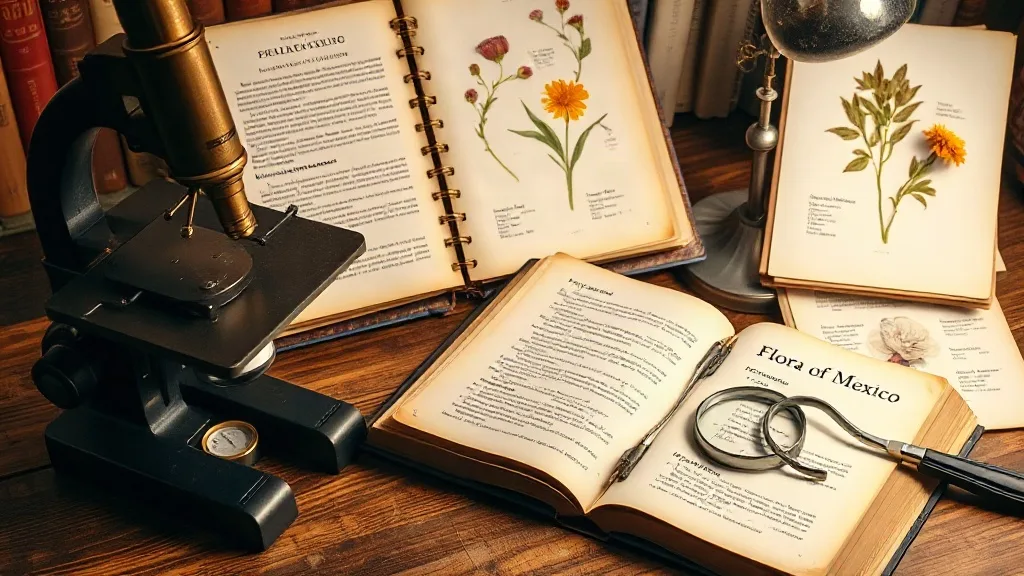
Herbolaria Mexicana PDF UNAM and Other Scientific Resources
Bridging the gap between ancestral knowledge and clinical safety requires transitioning from traditional guides to evidence-based literature. While traditional herbal books offer invaluable cultural insights, scientific resources provide critical data on toxicity, dosage, and pharmacological interactions necessary for safe therapeutic use.
To access high-quality, validated information, follow these steps to navigate official academic channels:
- UNAM Digital Repository: Visit the UNAM institutional repository or the Facultad de Química portal. Search for "Herbolaria Mexicana" to find official PDFs and theses that validate traditional uses through phytochemical analysis.
- Peer-Reviewed Databases: Utilize PubMed or Google Scholar. Use specific keywords like "Mexican medicinal plants pharmacology" to find clinical trials and systematic reviews.
- Scientific Herbal Monographs: Consult the World Health Organization (WHO) monographs or the European Medicines Agency (EMA) for standardized safety profiles.
Pro Tip: Always cross-reference a traditional remedy with a scientific database to ensure the plant species is correctly identified and free of contraindications with modern medications.
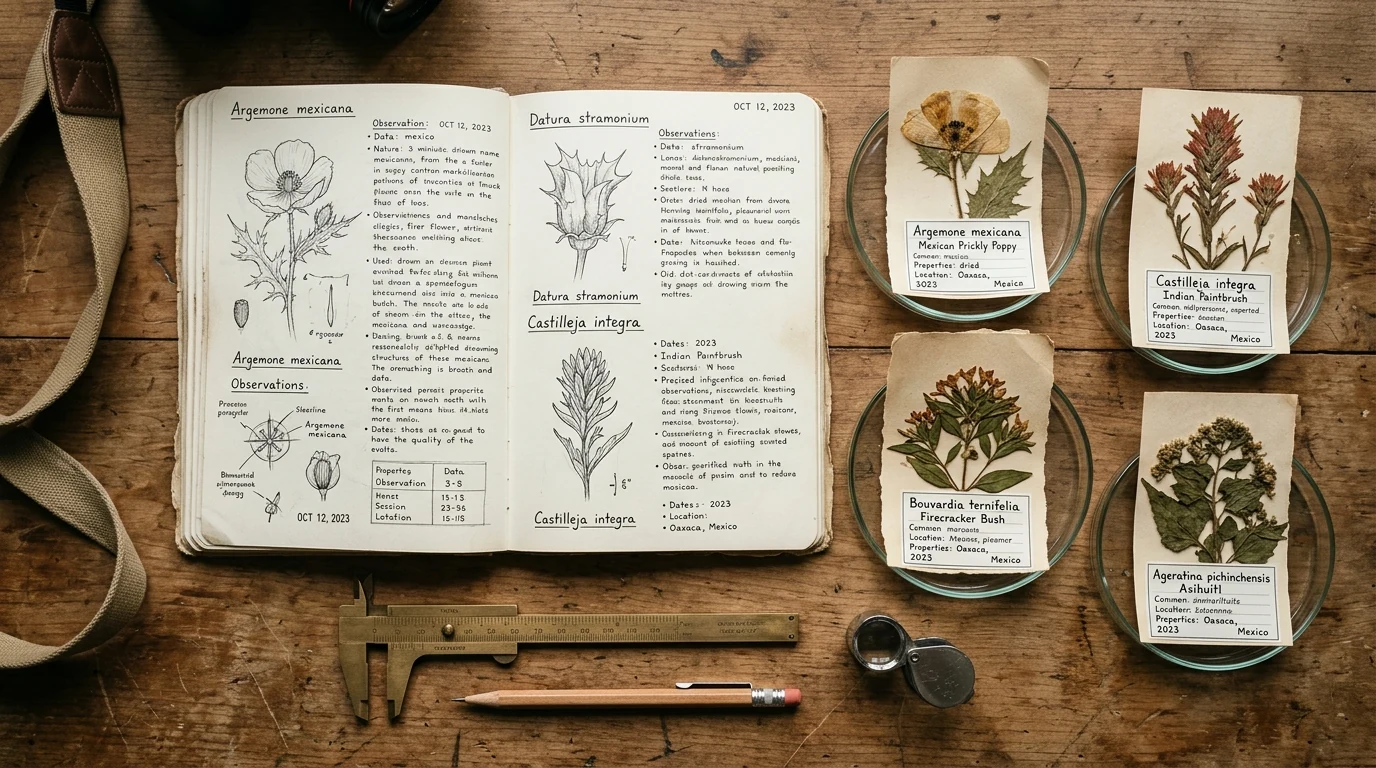
Traditional Herbal Book vs. Scientific Herbal Book: A Side-by-Side Comparison
Choosing between a traditional and a scientific herbal guide depends on whether you seek ancestral wisdom or clinical validation. Traditional books prioritize cultural context and holistic intuition, offering a rich tapestry of folklore and experiential use. In contrast, scientific texts focus on accuracy and safety, utilizing pharmacognosy and clinical trials to detail active compounds, precise dosages, and potential drug interactions.
While traditional guides excel in practical, intuitive application, scientific manuals provide the rigorous evidence necessary to mitigate risks. Here is how they compare across key pillars:
- Accuracy: Scientific books rely on peer-reviewed data; traditional books rely on historical consensus.
- Safety: Scientific guides offer strict contraindications; traditional guides focus on general wellness.
- Practical Use: Traditional texts are often more accessible for home gardening and ritual; scientific texts are essential for therapeutic precision.
Our Recommendation: For beginners, a traditional guide is a gentle entry point. Advanced readers should integrate both to bridge the gap between lore and logic. For health practitioners, a scientific herbal book is non-negotiable to ensure patient safety and clinical efficacy.
¿Deseas profundizar en Comparativa: libro de herbolaria tradicional vs libro con enfoque científico?
Consulta la selección de libros oficiales, manuales de botica y hierbas auténticas disponibles en Amazon con envío prioritario:
Check Prices and Deals on Amazon ↗Frequently Asked Questions about Mexican Herbalism Books
What is herbolaria mexicana UNAM?
It is the scientific study and application of Mexican herbal medicine promoted by UNAM, combining centuries of ethnobotanical tradition with modern phytotherapy to ensure correct botanical identification, safe dosing, and effective therapeutic use.
Is a scientific herbal book better than a traditional herbal book?
A scientific herbal book is generally safer and more reliable for therapeutic use because it includes verified botanical data, clinical evidence, and dosage guidelines, while a traditional herbal book offers valuable cultural and ancestral context that should be cross-checked with scientific sources.