Cómo usar un libro de herbolaria mexicana para investigar plantas
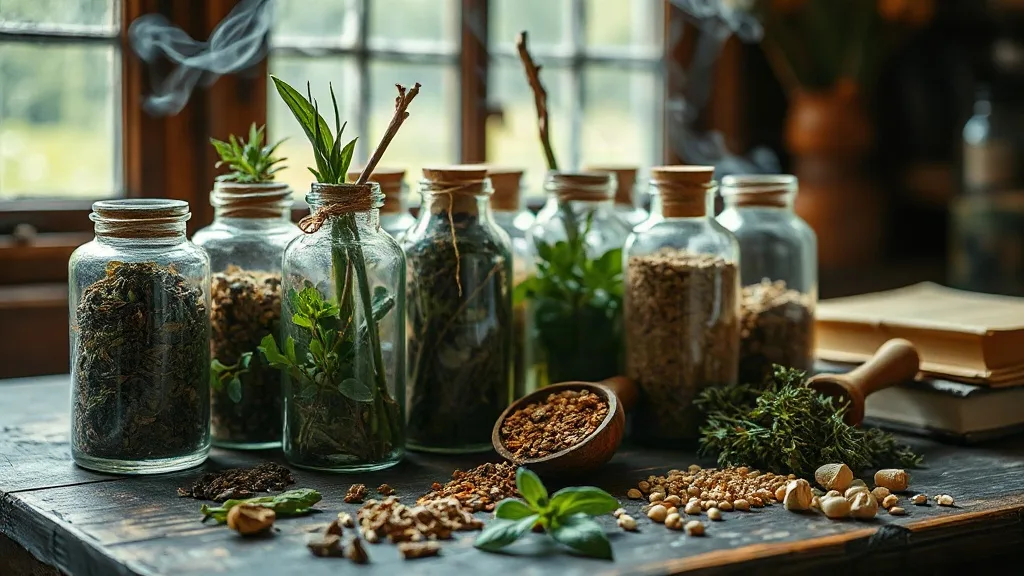

Key Summary: Use the index to locate specific species, then cross-reference botanical names with traditional uses and habitats. Prioritize rigorous sources to verify toxicity and dosage. Always validate findings with a professional herbalist or botanist to ensure safe, accurate application of Mexico’s rich medicinal flora.
Why a Mexican Herbal Book Is a Valuable Research Tool
Traditional Mexican herbal literature serves as a vital bridge between ancestral wisdom and modern science. These texts do more than list remedies; they preserve centuries of ethnobotanical knowledge, documenting the symbiotic relationship between Mexico's diverse ecosystems and the indigenous cultures that mastered them. For researchers and enthusiasts alike, a well-curated herbal book transforms anecdotal tradition into a structured reference for studying natural pharmacology.
However, not all guides are created equal. To ensure your research is grounded in accuracy and safety, a trustworthy resource must move beyond common names—which often vary by region—and provide rigorous technical data. When evaluating a text, prioritize books that include:
- Botanical Nomenclature: The inclusion of Latin binomials (Genus and species) to avoid dangerous misidentifications.
- Geographic Origins: Detailed information on where the plant is native and its specific habitat requirements.
- Safety Protocols: Clear contraindications, dosage warnings, and potential toxicity notes.
By utilizing these academic markers, a Mexican herbal book evolves from a simple guide into a professional tool for preserving biodiversity and exploring the therapeutic potential of the natural world.
A Step-by-Step Method for Researching Plants
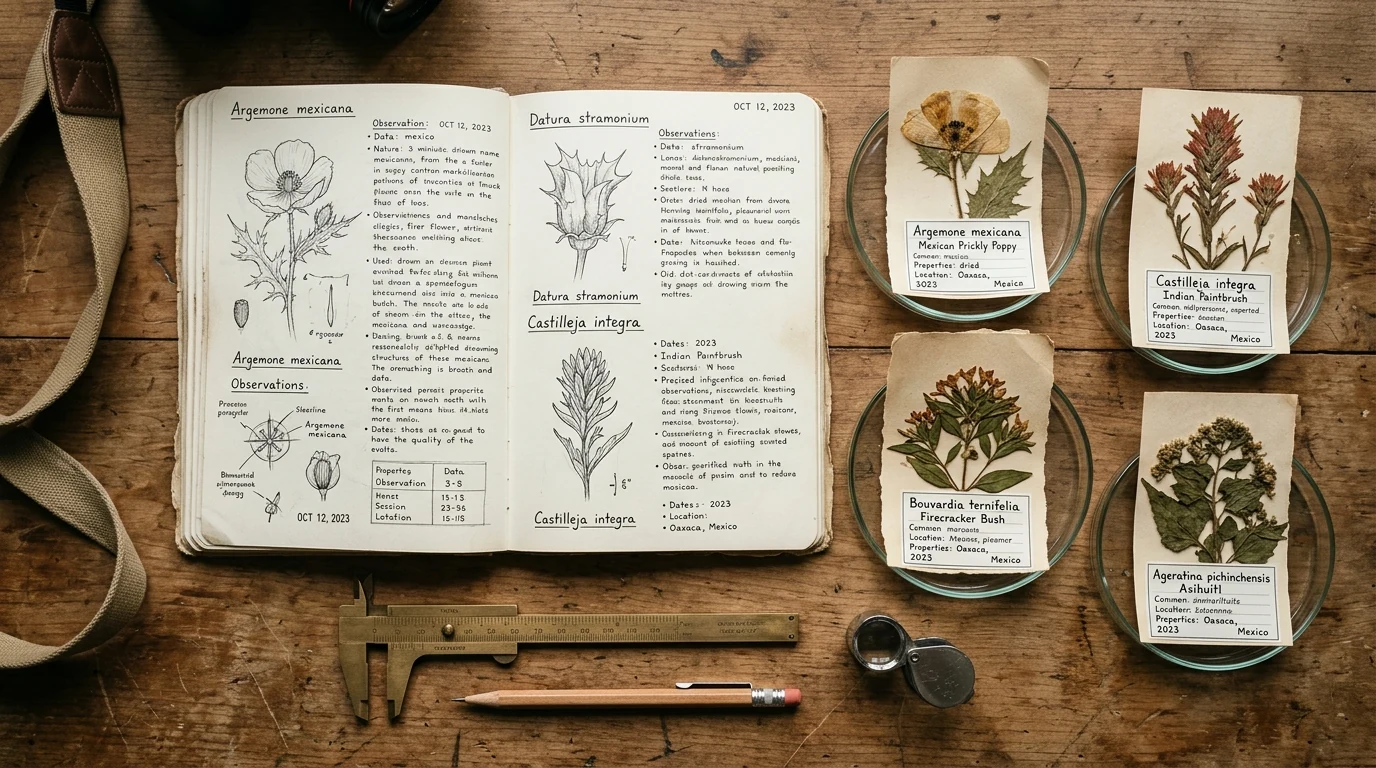
Navigating a comprehensive compendium of Mexican herbalism requires a systematic approach to ensure both botanical accuracy and safety. To transform a simple reading session into a rigorous research process, follow this streamlined workflow:
- Locate and Identify: Begin by finding the specific plant entry. Immediately record both the scientific name (Latin binomial) and the common names, as regional terminology in Mexico can vary significantly.
- Analyze Properties: Identify the primary active compounds and document the traditional uses associated with the plant to understand its historical therapeutic context.
- Verify Administration: Carefully note the recommended dosage, preparation methods (such as infusions or poultices), and any listed contraindications.
- Cross-Reference: To ensure clinical validity, validate your findings by cross-referencing the data with modern botanical databases or peer-reviewed medical sources.
Pro Tip: Always prioritize the scientific name during cross-referencing, as this is the only universal identifier that prevents dangerous botanical mix-ups.
Comparing Herbal Books and Recommended Resources
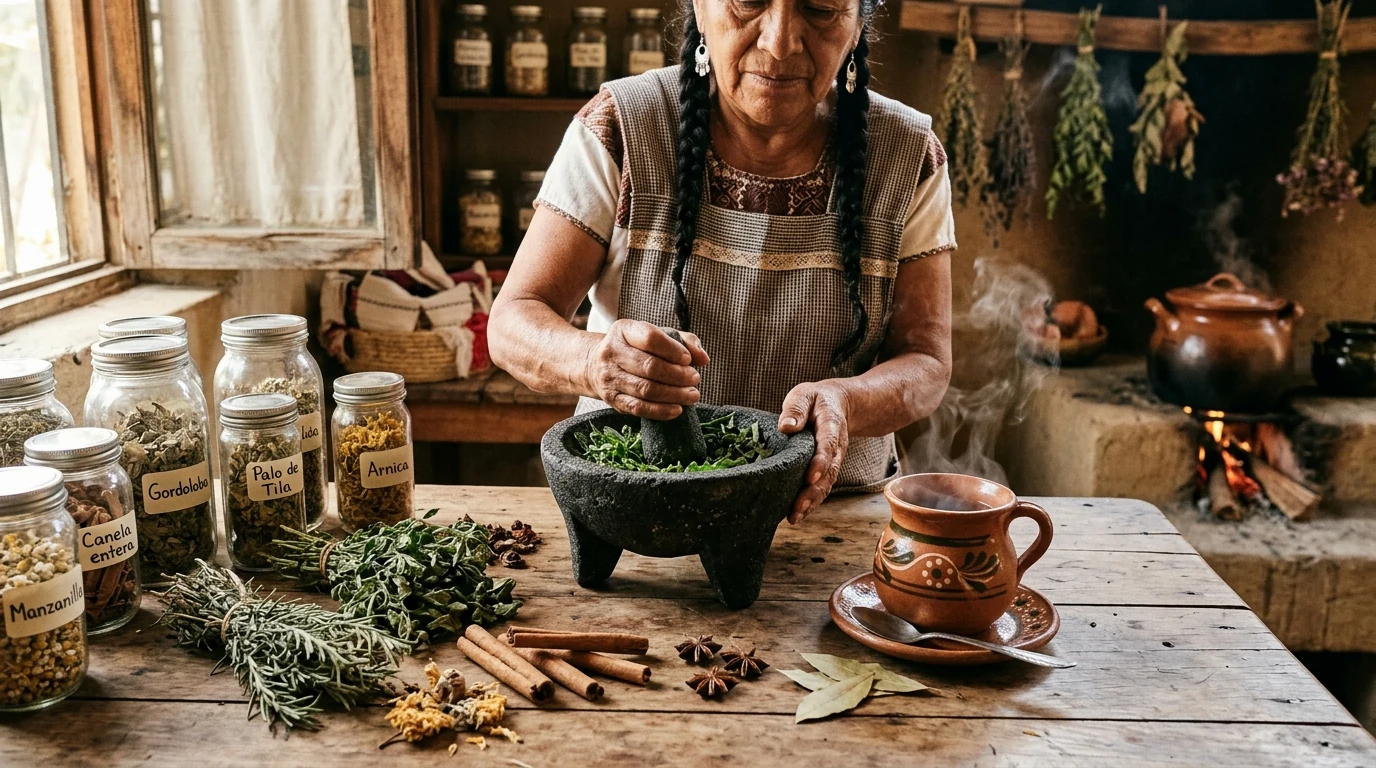
Not all herbal guides are created equal. When selecting a reference for Mexican flora, it is crucial to distinguish between traditional folklore collections and scientific pharmacopeias. Reliable books prioritize botanical nomenclature (Latin names), detailed morphological descriptions, and evidence-based contraindications, whereas less rigorous texts may rely solely on anecdotal evidence, increasing the risk of misidentification.
To ensure a safe and professional research process, a high-quality book should be treated as a starting point rather than the sole authority. We recommend cross-referencing your findings with the following complementary resources:
- Botanical Databases: Utilize platforms like The Plant List or Kew Gardens to verify current taxonomic classifications.
- Regional Herbaria: Visit institutional archives to examine preserved specimens and confirm local varieties.
- Expert Consultations: Engage with certified ethnobotanists or licensed practitioners to understand dosage and synergistic effects.
Pro Tip: Always verify that your resource includes a "Toxicology" or "Precautions" section. If a book claims a plant is universally safe without exceptions, exercise extreme caution.
¿Deseas profundizar en Cómo usar un libro de herbolaria mexicana para investigar plantas?
Consulta la selección de libros oficiales, manuales de botica y hierbas auténticas disponibles en Amazon con envío prioritario:
Check Prices and Deals on Amazon ↗Frequently Asked Questions about Mexican Herbalism Books
Can I rely only on a Mexican herbal book for medicinal use?
No. A herbal book is a valuable reference, but medicinal use requires cross-checking with scientific sources and consulting a qualified healthcare professional or ethnobotanist.
What information should I record when researching a plant in a herbal book?
Record the scientific name, common names, habitat, described active compounds, traditional uses, dosage guidelines, contraindications, and the book’s bibliographic reference for later verification.