Cómo usar un libro de herbolaria mexicana en tu cocina
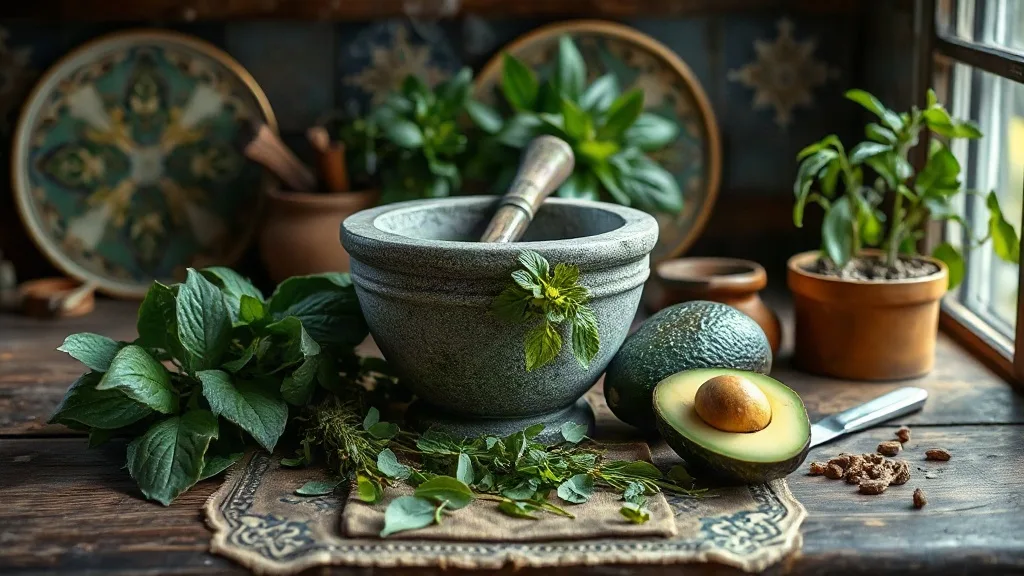
Key Summary: Treat your herbal guide as a culinary map to flavor. Use it to discover aromatic infusions and traditional seasonings, blending folk wisdom with your recipes. Just remember: while these plants enrich your palate, always distinguish tasty traditions from medical prescriptions. Explore curiously, cook boldly, and stay safe!
Why a Mexican Herbal Book Belongs in Your Kitchen (Not Just on the Shelf)
Many people treat herbal guides as coffee table ornaments—beautiful artifacts of tradition that are admired but rarely opened. However, the true magic of Mexican herbolaria isn't found in the reading; it is found in the doing. The gap between owning a book and transforming your health lies in moving from passive curiosity to active application.
To bridge this gap, you don't need to be an expert apothecary; you simply need a practical workflow. Instead of overwhelming yourself with the entire pharmacopeia, start with a focused approach:
- Context First: Identify a specific need (e.g., digestion or immunity) and find the corresponding herb.
- Safety Basics: Always verify dosages and contraindications provided in the text before consumption.
- Kitchen Integration: Start by incorporating herbs into daily rituals, such as a morning infusion or a savory seasoning.
"The kitchen is the first pharmacy. When you move a herbal book from the shelf to the counter, you stop reading about wellness and start practicing it."
By treating your guide as a living manual rather than a textbook, you turn ancient Mexican wisdom into a tangible, flavorful part of your modern lifestyle.
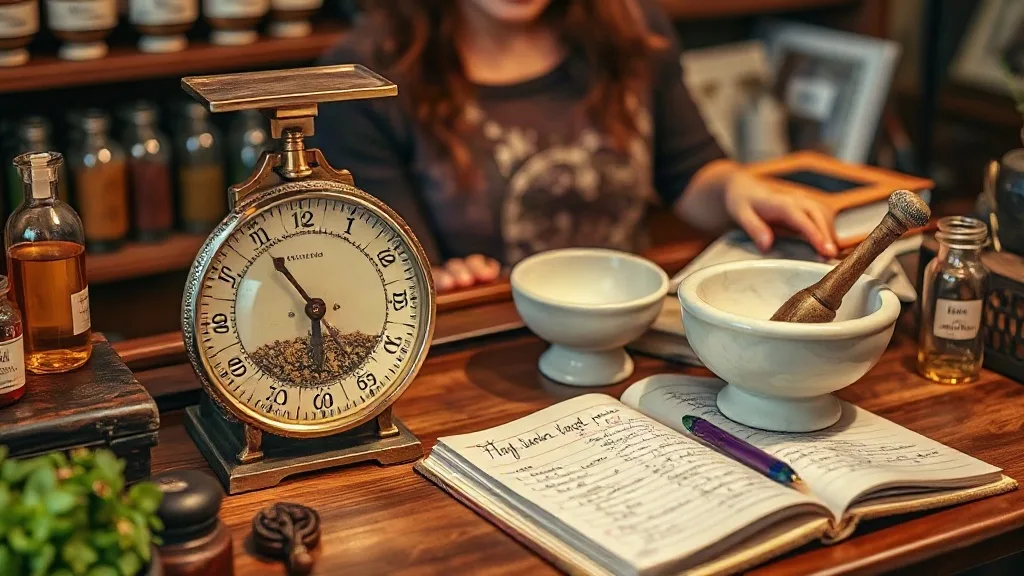
From Page to Plate: A Step-by-Step Way to Cook with Mexican Herbs
Transforming a traditional Mexican herbalism guide into a culinary roadmap requires a blend of curiosity and caution. To bridge the gap between ancestral medicine and your dinner table, start by meticulously identifying your herbs; cross-reference botanical names with visual guides to ensure you are using the correct species, as many regional varieties share similar common names.
Before integrating any plant into your diet, prioritize safety by checking for contraindications. Herbal properties that are beneficial in small doses can be potent; ensure the herb does not interfere with medications or specific health conditions.
Once cleared, the art lies in the conversion. Traditional remedies often use concentrated infusions, but culinary applications require a lighter touch. Follow these steps to integrate them seamlessly:
- Calibrate the Dose: Convert medicinal measurements into "pinches" or "sprigs" to maintain flavor balance without overpowering the dish.
- Pair Strategically: Match earthy notes like epazote with legumes, or citrusy undertones like hoja santa with seafood and tamales.
- Timing is Key: Add delicate leaves at the end of cooking to preserve their volatile oils and nutritional integrity.
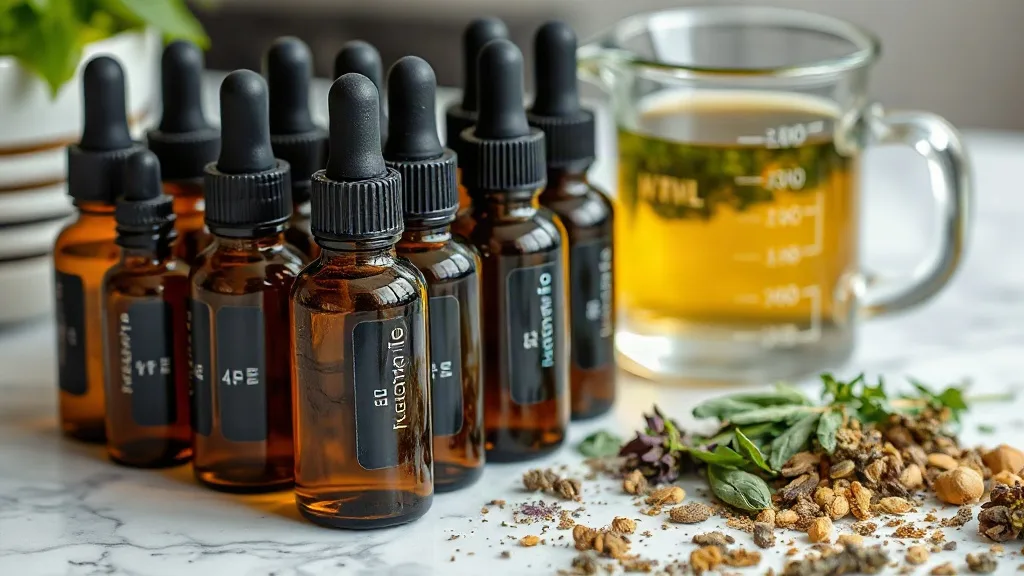
Choosing the Right Mexican Herbal Book and Reliable Sources
Integrating Mexican herbalism into your kitchen requires a balance between ancestral wisdom and scientific rigor. Not all guides are created equal; the quality of your source directly impacts both the flavor of your dishes and your overall wellness.
When building your library, consider these three primary pillars:
- Classic Texts: Ideal for understanding the deep cultural context and traditional uses of plants like epazote or hoja santa. These provide the "soul" of the practice but may lack modern safety data.
- Modern Field Guides: Essential for botanical accuracy. Look for resources with high-resolution photography and Latin binomials to avoid dangerous misidentifications.
- Digital Databases: Excellent for quick cross-referencing of contraindications and updated pharmacological interactions.
Pro Tip: A reliable herbal book must include three non-negotiables: precise botanical nomenclature, clear dosage tables for culinary vs. medicinal use, and a section on potential toxicity.
Prioritize authors who bridge the gap between ethnobotany and gastronomy. By selecting sources that respect indigenous heritage while adhering to botanical standards, you ensure that your kitchen remains a space of both healing and culinary excellence.
¿Deseas profundizar en Cómo usar un libro de herbolaria mexicana en tu cocina?
Consulta la selección de libros oficiales, manuales de botica y hierbas auténticas disponibles en Amazon con envío prioritario:
Check Prices and Deals on Amazon ↗Frequently Asked Questions about Mexican Herbalism Books
Can I use any herb from a Mexican herbal book directly in food?
No. Not all herbs are culinary or safe at medicinal doses. Verify whether the plant is listed as edible, start with small amounts, and avoid herbs with known contraindications or drug interactions.
How do I know the dosage in a traditional recipe is safe for cooking?
Treat traditional remedies as starting points, not prescriptions. Use culinary quantities for flavor, reserve therapeutic doses for qualified practitioners, and cross-check with current toxicology data or a health professional.