Cómo mantener actualizada tu colección de libros de herbolaria
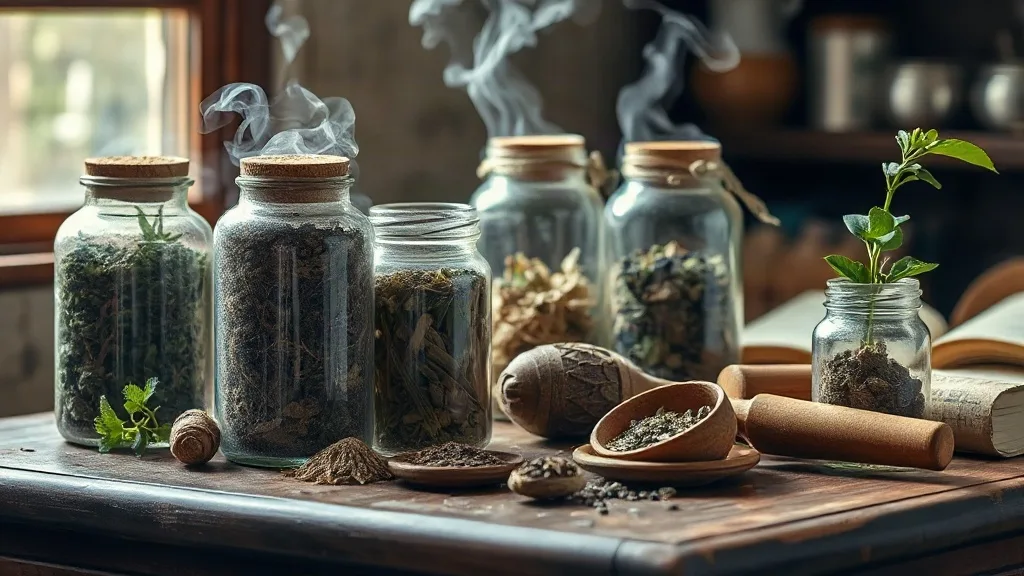

Key Summary: Balance timeless tradition with modern science. Curate your library by integrating classic pharmacopeias with peer-reviewed botanical journals. Regularly audit your collection, replacing outdated dosages with evidence-based updates, ensuring your herbal knowledge remains both deeply rooted in ancestral wisdom and aligned with current safety standards.
Why an Outdated Herbal Library Can Lead You Astray
In the realm of botanical medicine, knowledge is not static; it evolves as science refines our understanding of plant chemistry and safety. Relying on an outdated herbal library is more than a scholarly oversight—it is a potential safety risk. When sources are obsolete, the gap between traditional wisdom and modern phytotherapy widens, leaving the practitioner vulnerable to critical errors.
The dangers of relying on incomplete or aged texts include:
- Misidentified Species: Botanical nomenclature changes. Relying on old common names can lead to the accidental use of a toxic look-alike instead of the intended therapeutic plant.
- Unsafe Dosages: Modern pharmacology has redefined "safe" thresholds. Old guides may suggest dosages that are now known to be ineffective or, worse, hepatotoxic and nephrotoxic.
- Knowledge Gaps: Traditional Mexican herbalism offers profound ancestral insight, but without the integration of current clinical data, you miss vital contraindications and drug-herb interactions.
"A library that does not grow is a library that decays. In herbalism, the cost of outdated information is measured in health and safety."
To practice with integrity, your collection must bridge the gap between heritage and evidence-based science.
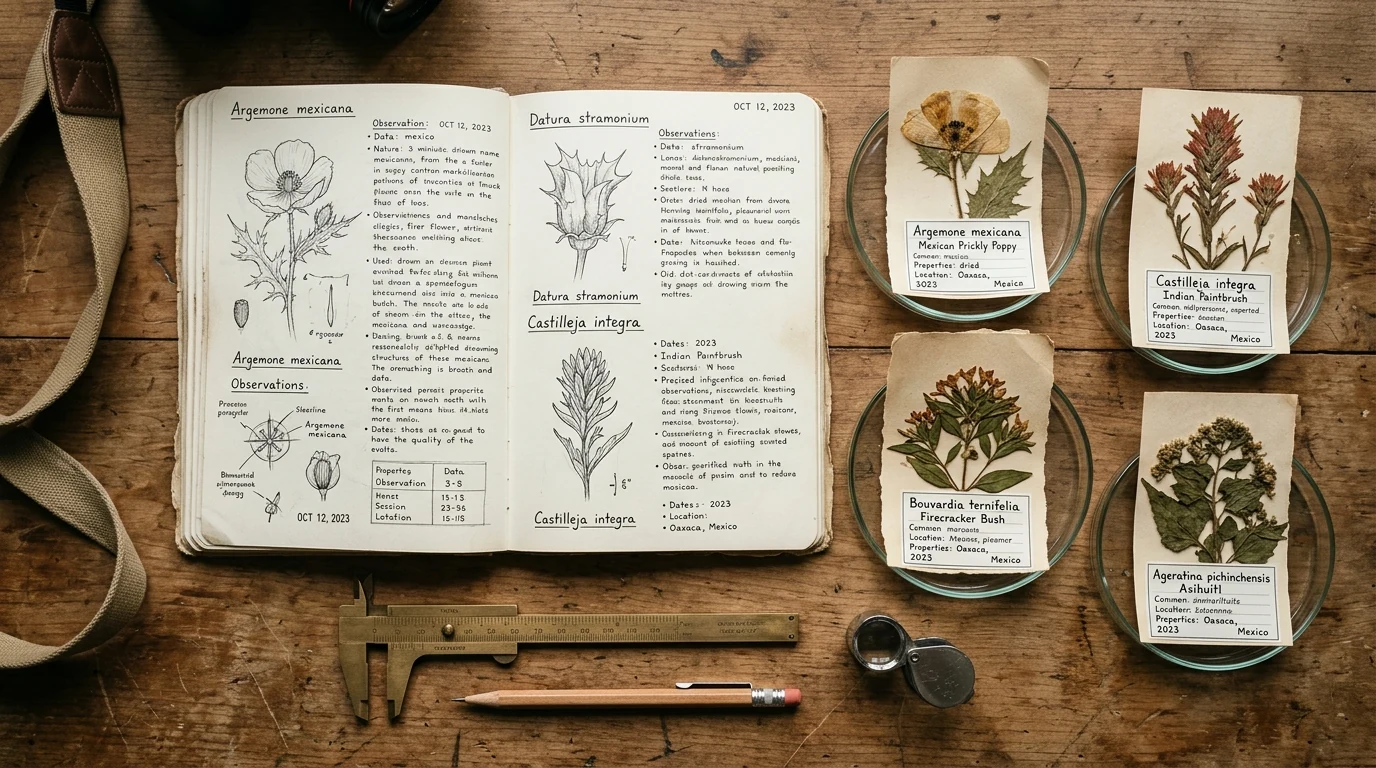
A Simple Step-by-Step System to Curate and Update Your Collection
Building a professional herbal library is not about quantity, but about the precision and reliability of your sources. To ensure your collection remains a living resource rather than a static archive, implement this streamlined curation workflow:
- Conduct a Comprehensive Audit: Begin by cataloging your current titles. Identify outdated editions or sources that lack scientific backing, removing those that no longer align with current safety standards.
- Map Your Knowledge Gaps: Analyze where your library is thin. Do you have enough data on local flora, or are you relying too heavily on foreign texts?
- Prioritize Strategic Acquisitions: Focus your budget on high-impact titles. Prioritize books that offer rigorous botanical identification, detailed analysis of active compounds, safe dosing guidelines, and a deep dive into the Mexican traditional context.
- Establish a Review Cycle: Schedule a quarterly review to integrate new research and update your annotations.
"A curated library is a bridge between ancestral wisdom and modern safety; keeping it current is a commitment to the well-being of those you serve."
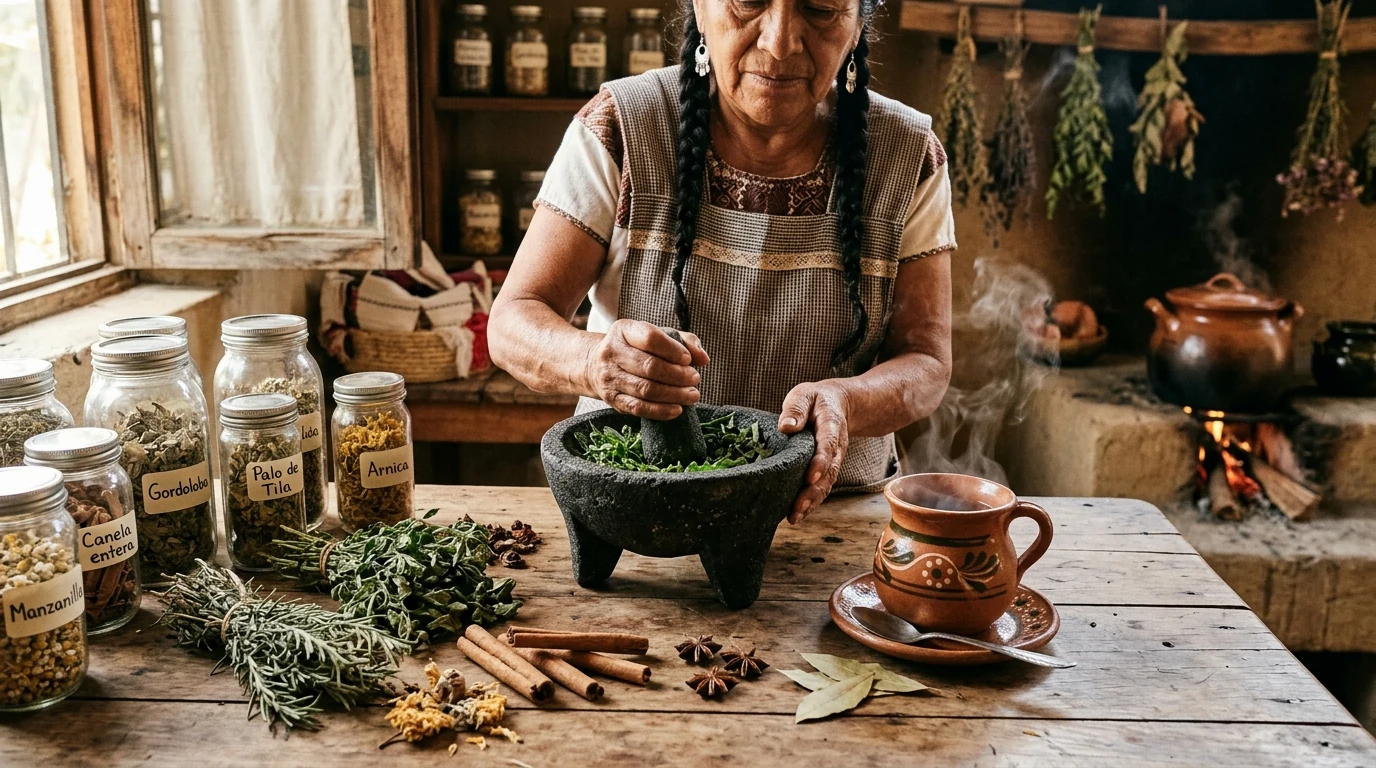
Trusted Sources and Modern Resources Compared
Building a professional herbalism library requires a strategic balance between timeless foundational knowledge and cutting-edge scientific validation. While traditional texts provide the philosophical and historical bedrock of plant medicine, relying solely on them can leave a practitioner outdated regarding safety profiles and pharmacological interactions.
To curate a well-rounded collection, consider the distinct roles of these essential resources:
- Foundational Books & Monographs: Ideal for understanding plant energetics and traditional uses, though they should be cross-referenced for modern dosing.
- Academic Databases (e.g., PubMed, Cochrane): Indispensable for accessing peer-reviewed clinical trials and evidence-based toxicity reports.
- Botanical Field Guides: Essential for accurate in-situ identification, ensuring that wild-harvested specimens are correctly identified to avoid dangerous look-alikes.
- Expert-Led Communities: Provide real-time clinical insights and peer mentorship that static texts cannot offer.
The most reliable library is not the largest, but the one that bridges the gap between ancestral wisdom and contemporary science.
By integrating these diverse streams of information, you ensure your practice remains safe, ethical, and aligned with current botanical standards.
¿Deseas profundizar en Cómo mantener actualizada tu colección de libros de herbolaria?
Consulta la selección de libros oficiales, manuales de botica y hierbas auténticas disponibles en Amazon con envío prioritario:
Check Prices and Deals on Amazon ↗Frequently Asked Questions about Mexican Herbalism Books
How often should I update my herbolaria book collection?
Review your collection at least once a year. Replace or supplement older editions with books that include current botanical nomenclature, verified safety data, and evidence-informed dosing, especially for Mexican medicinal plants.
What should I look for when buying a new herbolaria book?
Prioritize authors with credentials in ethnobotany, pharmacognosy, or clinical herbalism; clear botanical identification; integration of traditional Mexican use with modern phytotherapy; and detailed safety, contraindication, and dosage guidance.