Cómo los libros de herbolaria mexicana reflejan la diversidad cultural de México
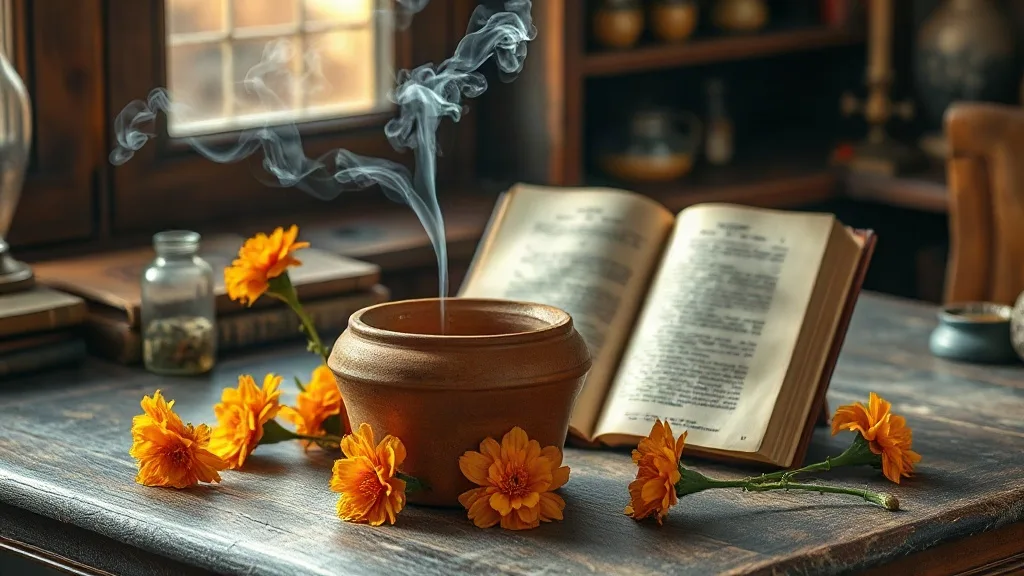
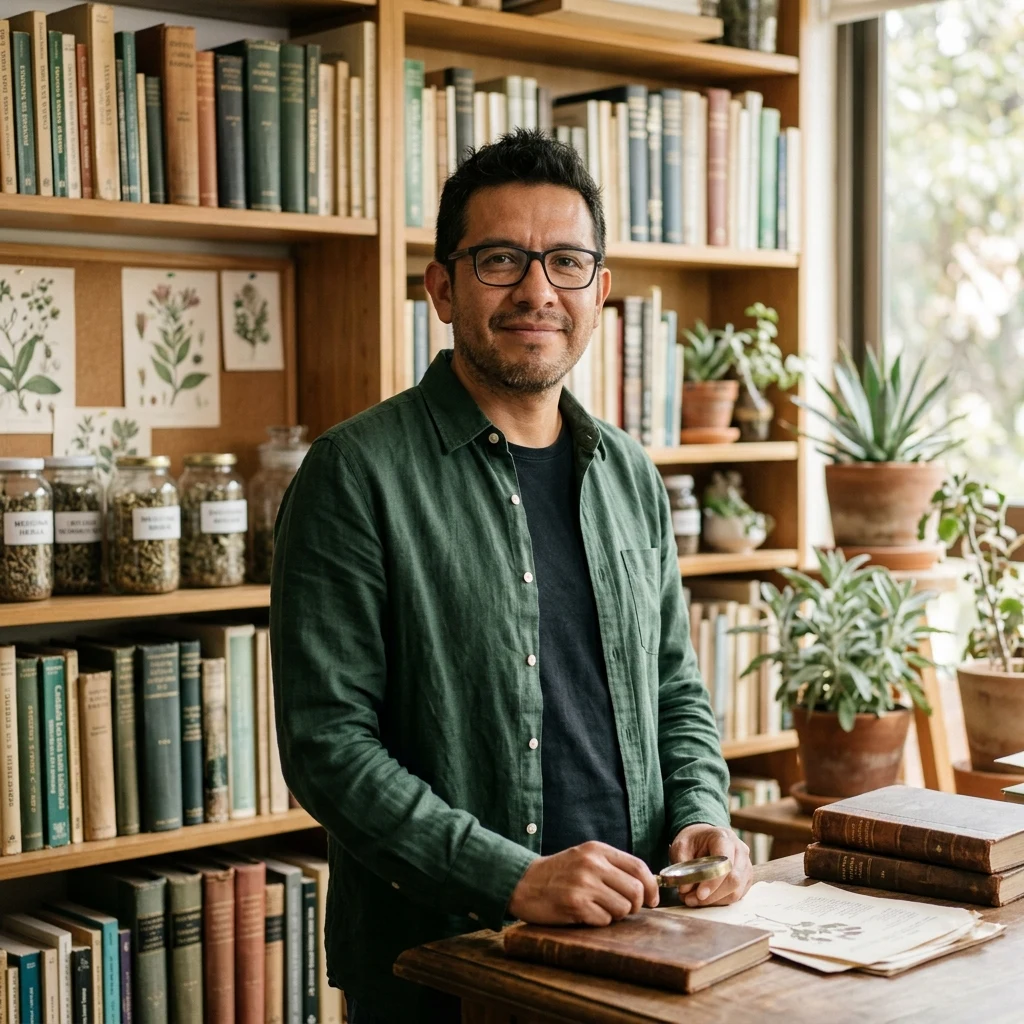
Key Summary: Mexican herbalism books act as living archives, blending ancestral Indigenous wisdom with colonial Spanish influences. By documenting regional flora and traditional healing rituals, these texts mirror Mexico's vast ethnic diversity, preserving a syncretic cultural identity that bridges ancient botanical knowledge with contemporary community health practices.
Why Mexican Herbal Books Are Cultural Mirrors, Not Just Remedy Guides
To the untrained eye, a Mexican herbal manual may seem like a simple catalog of plants and cures. However, reducing these texts to mere "remedy guides" overlooks their true essence: they are living archives of identity. In Mexico, the act of healing is inseparable from the history of the people, blending ancestral Indigenous wisdom with colonial influences and regional adaptations.
The core problem lies in the systemic devaluation of traditional knowledge, often dismissed as folklore. In reality, these books document a complex socio-cultural map where a single plant can have different names and spiritual meanings depending on whether you are in the jungles of Chiapas or the highlands of Oaxaca.
"Herbalism in Mexico is not just about the chemistry of the leaf, but the memory of the community that preserved it."
These publications serve as cultural mirrors because they reflect:
- Syncretism: The fusion of Mesoamerican medicine and European botany.
- Regional Diversity: The specific ecological and linguistic nuances of various ethnic groups.
- Oral Tradition: The transition of ancestral secrets from spoken word to written legacy.
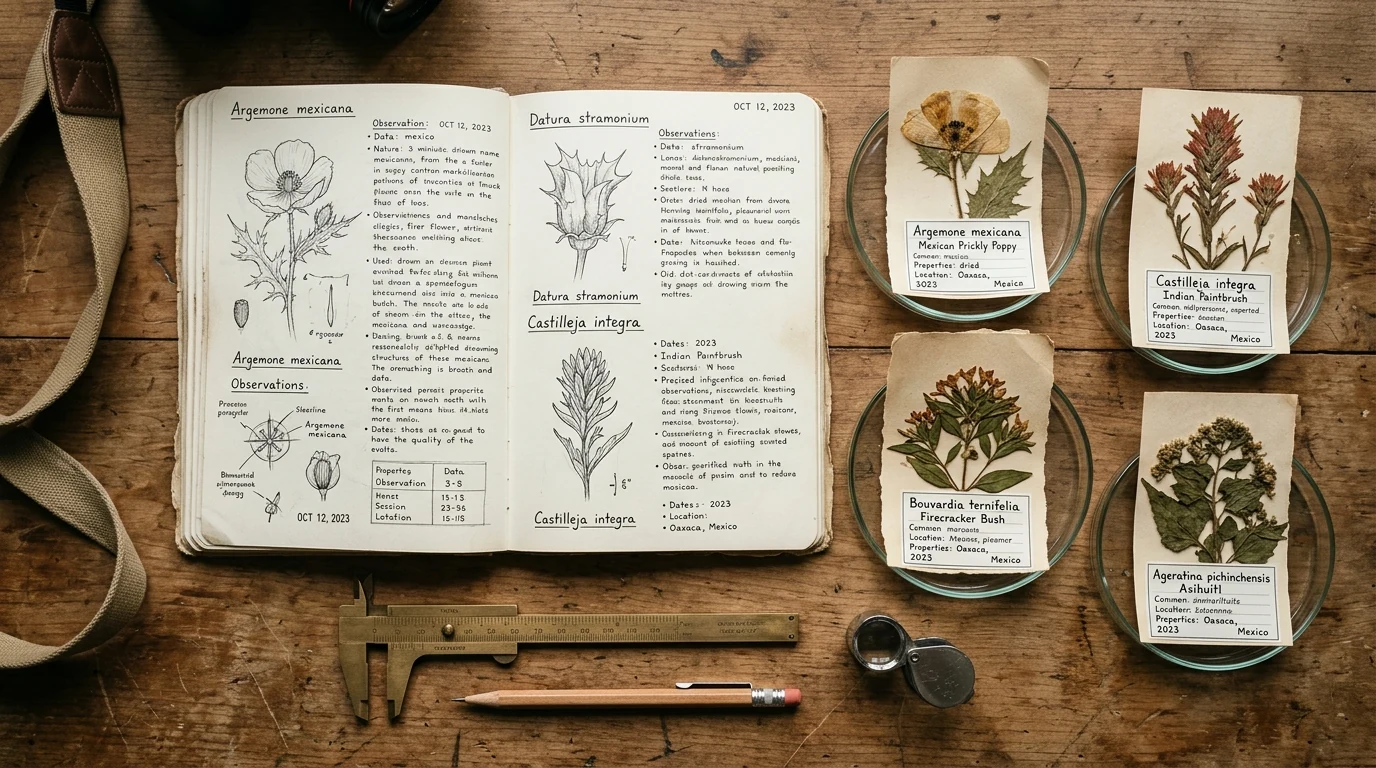
Key Medicinal Plants and Regional Traditions Found in Mexican Herbal Literature
Mexican herbal literature serves as a living archive, weaving together ancestral Indigenous wisdom and colonial influences. These texts reveal how geography dictates healing; while the arid north emphasizes resins and cacti, the humid south focuses on lush rainforest botanicals. This diversity transforms a simple recipe into a cultural map of Mexico's regional identity.
Among the most revered remedies documented in these guides are those targeting systemic wellness and respiratory health. A cornerstone of these traditions is the use of Damiana and Gordonia, often prepared through precise, ritualized steps:
- Infusion Preparation: Steep dried leaves in hot (not boiling) water for seven minutes to preserve volatile oils.
- Synergistic Blending: Combine primary herbs with honey or lime, reflecting the Mesoamerican practice of balancing "hot" and "cold" properties.
- Application: Administer in small doses during specific lunar phases or times of day, as prescribed by traditional lineage.
"The herbalist's book is not merely a manual of botany, but a testament to the resilience of community knowledge passed through generations."
By documenting these practices, herbal literature ensures that the symbiotic relationship between the Mexican land and its people remains preserved.
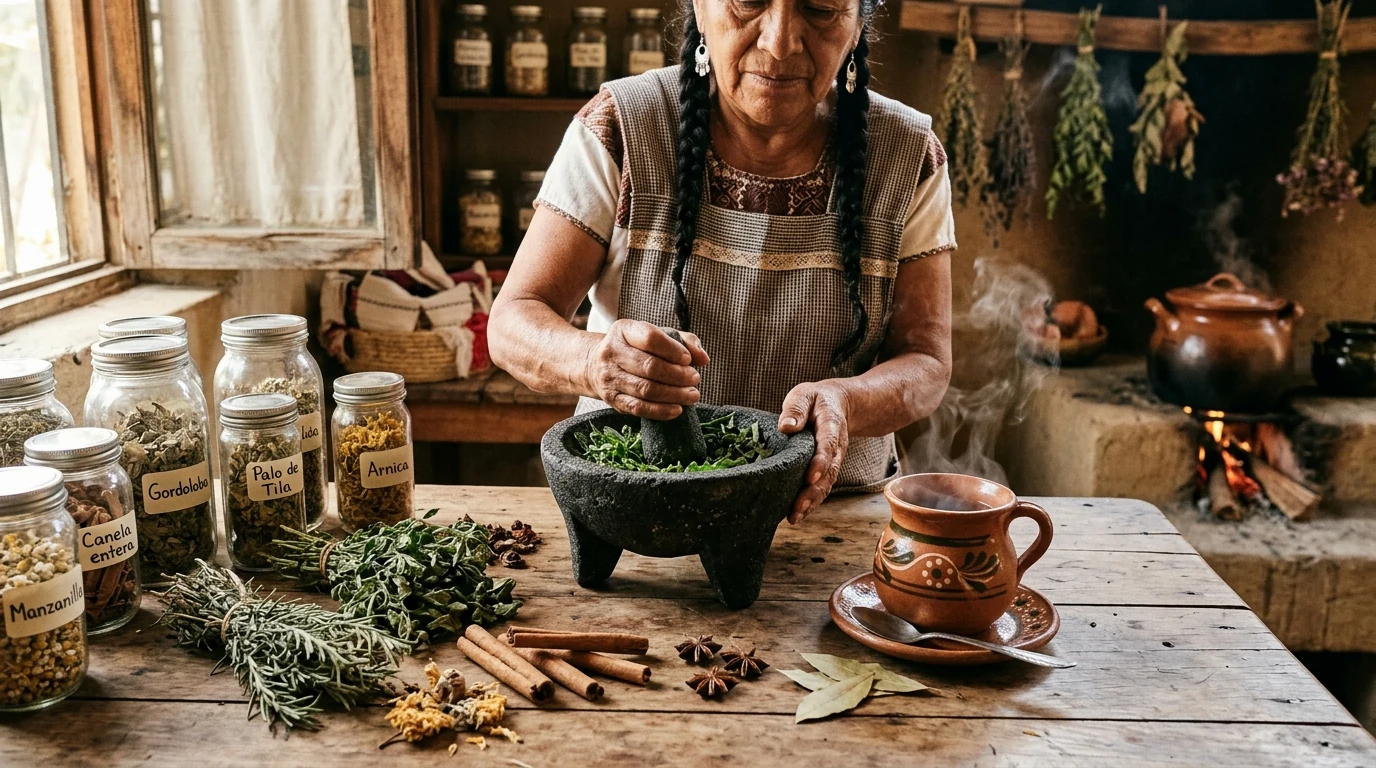
Comparing Essential Mexican Herbal Books and Trusted Learning Resources
Mexican herbalism is not a monolithic practice but a vibrant tapestry woven from indigenous wisdom, colonial influences, and modern pharmacological research. When selecting a resource, it is crucial to understand that different texts reflect different cultural lenses: some prioritize the spiritual and ancestral connection to the land, while others focus on clinical efficacy and botanical classification.
To navigate this diversity, we recommend a balanced approach to learning:
- Ancestral Compendiums: Ideal for those seeking the cultural context of curanderismo and the symbolic meaning of plants in community healing.
- Botanical Guides: Essential for accurate species identification and avoiding toxicity through rigorous scientific descriptions.
- Academic Journals: The gold standard for verifying the biochemical properties of Mexican flora and ensuring safe dosages.
"The true mastery of Mexican herbalism lies in the intersection of empirical tradition and scientific validation, honoring the plant as both a cultural symbol and a biological remedy."
By synthesizing these diverse resources, learners can move beyond simple recipes to a profound understanding of how Mexico's biodiversity sustains its holistic health traditions.
¿Deseas profundizar en Cómo los libros de herbolaria mexicana reflejan la diversidad cultural de México?
Consulta la selección de libros oficiales, manuales de botica y hierbas auténticas disponibles en Amazon con envío prioritario:
Check Prices and Deals on Amazon ↗Frequently Asked Questions about Mexican Herbalism Books
How do Mexican herbal books reflect the country’s cultural diversity?
They record regional names, preparation rituals, and healing beliefs from Indigenous, mestizo, Afro-Mexican, and rural communities, turning each remedy into a snapshot of local identity and history.
Are traditional Mexican medicinal plants safe to use today?
Many are supported by ethnobotanical and clinical research, but safe use requires correct botanical identification, proper dosage, and awareness of contraindications; consult a qualified health professional before use.