Cómo los libros de herbolaria mexicana presentan los nombres científicos


Key Summary: Mexican herbal books bridge traditional wisdom and science by pairing common names with binomial nomenclature. They present scientific names in italics to ensure global botanical precision, allowing readers to identify native species accurately while honoring the cultural heritage and ancestral knowledge of Mexican folk medicine.
Why Scientific Names Matter in Mexican Herbal Medicine
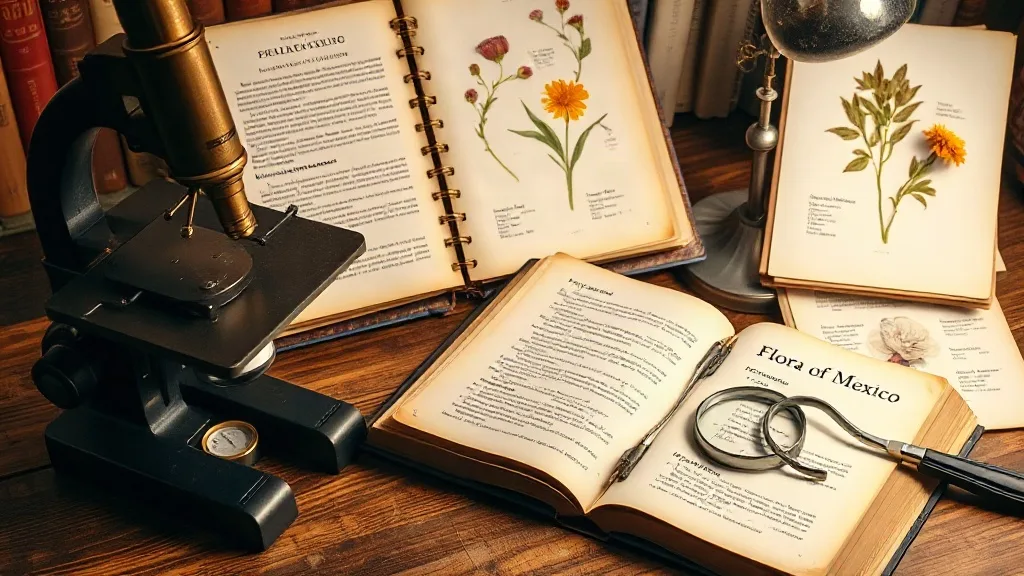
In the rich tapestry of Mexican ethnobotany, a single plant often carries a dozen different identities. Common names are deeply rooted in regional dialects and cultural heritage, but this linguistic diversity creates a dangerous ambiguity. For instance, a plant known by one name in Oaxaca may be called something entirely different in Yucatán, leading to potential misidentification and hazardous substitutions.
To eliminate this confusion, professional herbal guides utilize binomial scientific names—the universal language of botany. This standardized system is not merely an academic formality; it is a critical safety protocol. Precise identification ensures:
- Patient Safety: Preventing the accidental use of toxic look-alikes that share similar common names.
- Accurate Dosing: Ensuring the chemical potency of the specific species matches the prescribed dosage.
- Scientific Rigor: Allowing researchers and practitioners to cross-reference traditional uses with peer-reviewed pharmacological data.
"The common name tells us where the plant comes from; the scientific name tells us exactly what the plant is."
By prioritizing botanical nomenclature, Mexican herbalism bridges the gap between ancestral wisdom and modern clinical safety.
How UNAM Herbal Guides Display Scientific Names Step by Step
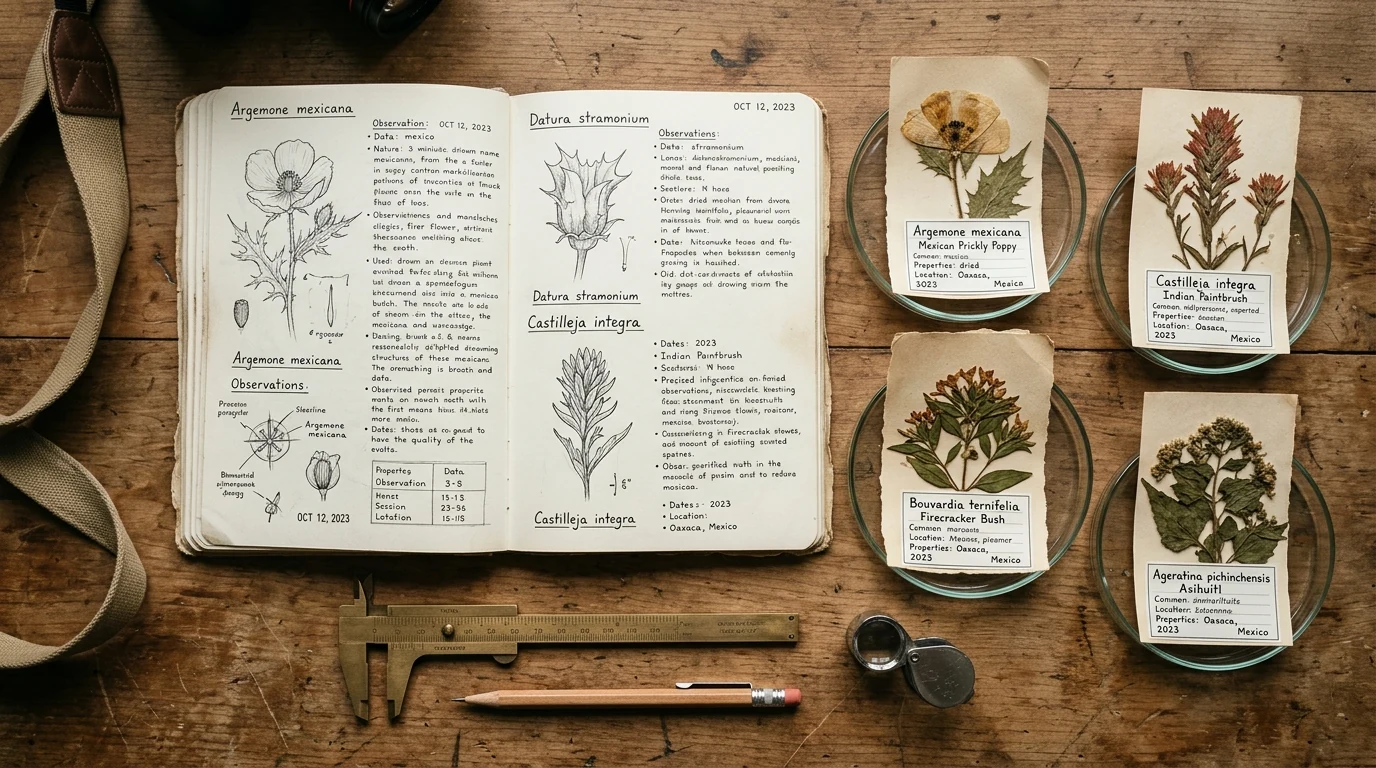
UNAM herbal guides are designed to bridge the gap between ancestral wisdom and botanical rigor. To ensure precision, each entry follows a standardized taxonomic hierarchy that allows researchers and practitioners to identify species without ambiguity.
The structural flow of a typical entry follows these essential steps:
- Binomial Nomenclature: Every plant begins with its formal scientific name (Genus and species), italicized according to international botanical codes.
- Family Classification: Immediately following the name, the plant family is listed, providing a broader biological context and indicating shared chemical properties.
- Nomenclatural Status: Guides clearly distinguish between the accepted name and outdated synonyms. This prevents confusion when comparing modern texts with historical archives.
- Traditional Integration: Finally, these scientific markers are linked to local common names. This connection validates traditional Mexican knowledge by anchoring vernacular terms to a globally recognized biological identity.
This systematic approach transforms a simple list of plants into a scientific tool, ensuring that the biodiversity of Mexico is documented with academic excellence and cultural respect.
Comparing Free UNAM PDF Resources on Mexican Herbalism
For researchers and enthusiasts, the National Autonomous University of Mexico (UNAM) offers a gold standard in digital botanical archives. However, the utility of these resources varies depending on whether you seek academic rigor or practical application. Two primary pillars stand out: the Medicina Tradicional Mexicana project and the specialized UNAM Botanical Libraries.
The approach to botanical identification differs significantly across these collections:
- Medicina Tradicional Mexicana: This resource excels in ethnobotanical context. It bridges the gap between common vernacular names and scientific nomenclature, providing detailed illustrations that emphasize the plant's morphology as recognized by traditional healers.
- UNAM Botanical Libraries: These PDFs lean toward strict taxonomic precision. They prioritize updated scientific naming and phylogenetic classifications, offering high-resolution botanical plates designed for professional identification.
While the botanical libraries provide the "what" through rigorous science, the Traditional Medicine project provides the "how," integrating critical safety warnings and dosage contraindications that are often absent in purely taxonomic texts.
Ultimately, the choice depends on your goal: use the libraries for undisputed scientific naming and the Traditional Medicine archives for a holistic view of safety and cultural usage.
¿Deseas profundizar en Cómo los libros de herbolaria mexicana presentan los nombres científicos?
Consulta la selección de libros oficiales, manuales de botica y hierbas auténticas disponibles en Amazon con envío prioritario:
Check Prices and Deals on Amazon ↗Frequently Asked Questions about Mexican Herbalism Books
What scientific name format do Mexican herbal books usually follow?
They follow international binomial nomenclature: Genus species (e.g., Matricaria chamomilla), often accompanied by the plant family, synonyms, and regional common names to prevent misidentification.
Where can I find reliable UNAM PDFs on Mexican herbalism with scientific names?
Reliable sources include the UNAM Medicina Tradicional Mexicana digital archive, the Biblioteca Digital UNAM, and faculty publications from the UNAM Facultad de Química or Ciencias Biológicas, which list scientific names alongside ethnobotanical data.