Cómo los libros de herbolaria mexicana integran la ciencia moderna
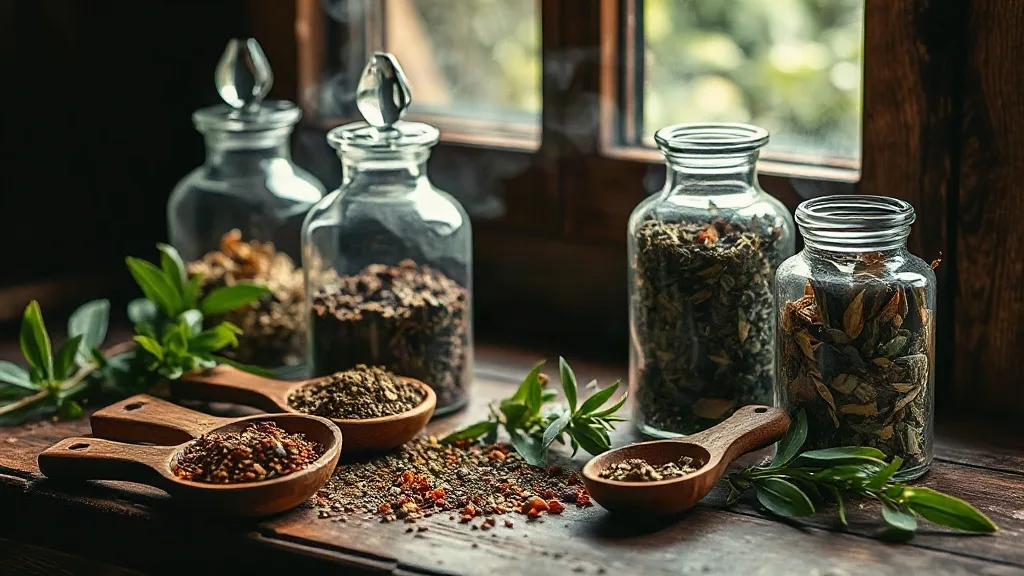

Key Summary: Modern Mexican herbalism books bridge ancestral wisdom and science by validating traditional remedies through pharmacological studies and botany. They integrate clinical evidence and chemical analysis to standardize dosages, ensuring that indigenous knowledge is preserved while meeting contemporary safety and efficacy standards for global health.
Why Mexican Herbalism Needs a Modern Scientific Lens
Mexican herbalism is a profound legacy of ancestral wisdom, offering a vast pharmacopeia that has sustained communities for millennia. However, a critical gap exists between traditional anecdotal use and evidence-based safety. While heritage provides the map, modern science provides the compass, ensuring that the application of these botanicals is both effective and secure.
The transition from folklore to clinical reliability requires a rigorous multidisciplinary approach. Readers today need more than just a list of remedies; they require comprehensive guides that bridge the divide through:
- Precise Botanical Identification: Preventing dangerous substitutions by utilizing taxonomic rigor to distinguish between therapeutic species and toxic look-alikes.
- Pharmacological Validation: Integrating clinical research to understand active compounds, precise dosages, and potential drug interactions.
- Ethnobotanical Context: Preserving the cultural narrative while filtering it through the lens of contemporary toxicology and pharmacology.
By synthesizing traditional knowledge with scientific scrutiny, we transform herbalism from a matter of faith into a disciplined practice. This integration ensures that the healing power of Mexico's biodiversity is harnessed without compromising patient safety or scientific integrity.
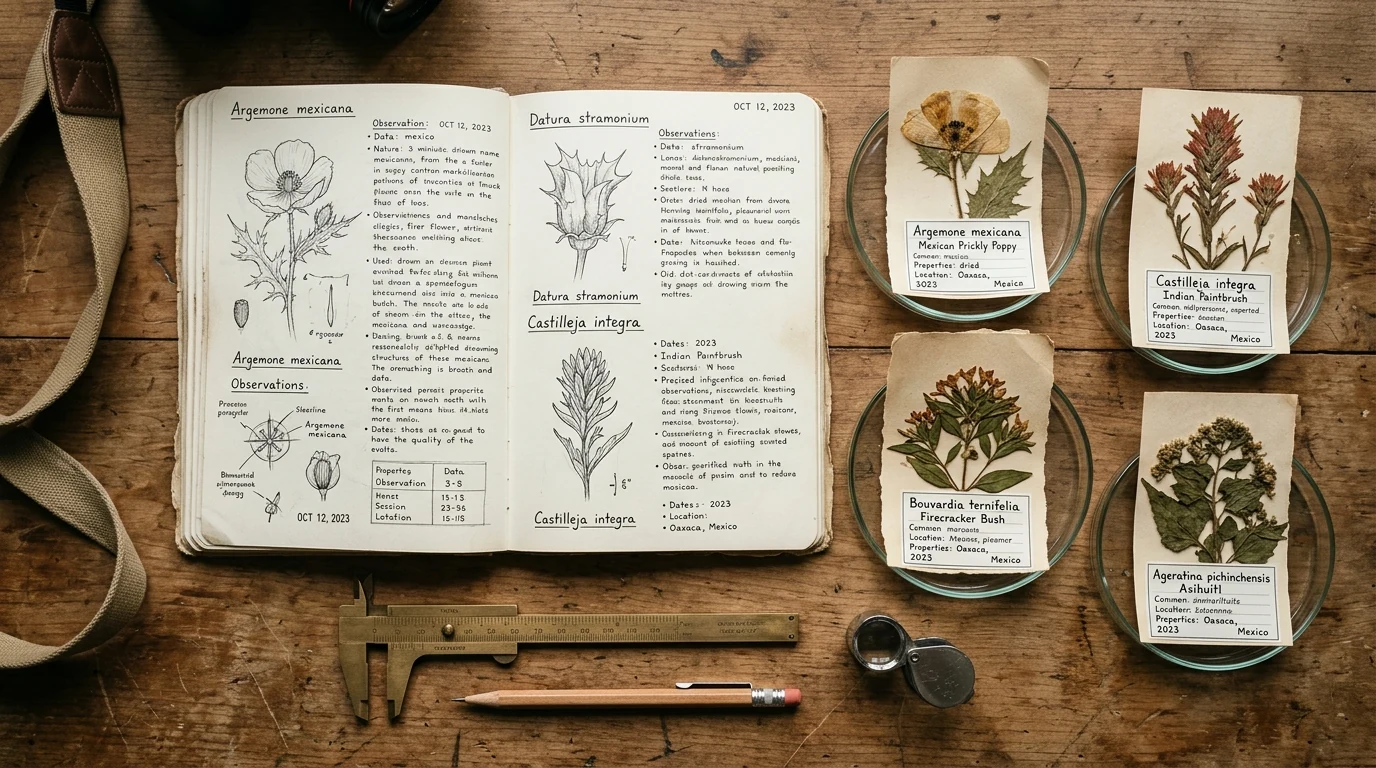
Key Mexican Medicinal Plants Backed by Modern Research
Modern herbalism books are bridging the gap between ancestral wisdom and clinical validation. By integrating pharmacognosy with tradition, these guides transform folklore into evidence-based wellness protocols. Below are key botanical profiles where traditional use meets scientific scrutiny:
- Damiana (Turnera diffusa): Traditionally used as an aphrodisiac and mood lifter. Research highlights its flavonoids and terpenes, suggesting efficacy in reducing anxiety and improving libido through mild dopaminergic modulation.
- Chaparro Amargo (Larrea tridentata): Long prized for liver support. Modern studies focus on nordihydroguaiaretic acid (NDGA), a potent antioxidant with documented anti-inflammatory and antimicrobial properties.
- Cuachalalate (amacupia): A staple for gastric ulcers. Clinical evidence supports its high tannin content, which promotes mucosal healing and reduces inflammation in the gastrointestinal tract.
- Mexican Arnica (Heterotheca inuloides): Used topically for bruises and sprains. Research confirms its sesquiterpene lactones effectively inhibit pro-inflammatory cytokines, accelerating tissue recovery.
Editorial Note: While efficacy is documented, modern texts emphasize that dosage must be standardized to avoid toxicity, advocating for a synergistic approach between botanical extracts and professional medical guidance.
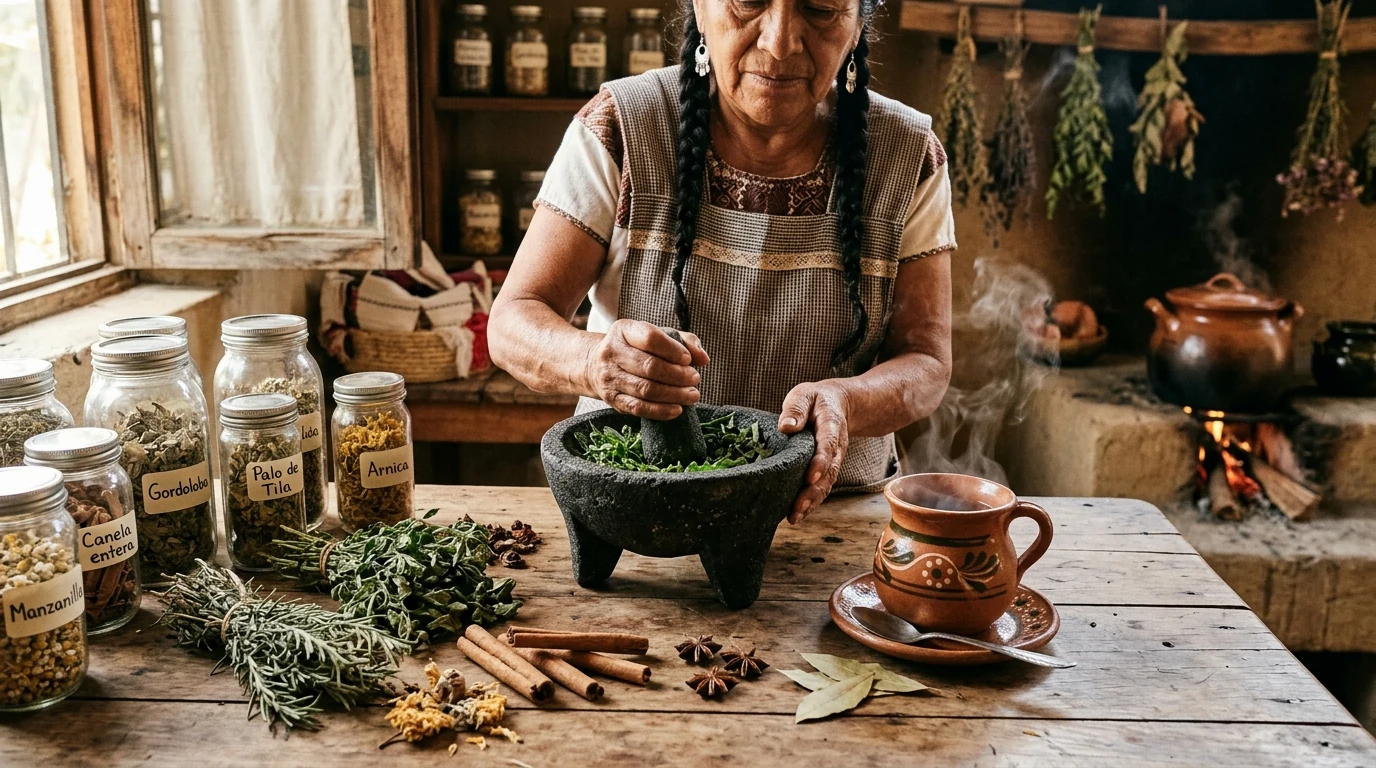
Comparing the Best Mexican Herbalism Books and Resources
Navigating the vast landscape of Mexican herbolaria requires resources that bridge the gap between ancestral wisdom and contemporary pharmacology. The most authoritative guides are those that do not merely list plants, but integrate traditional usage with modern phytotherapy, ensuring a holistic yet evidence-based approach to healing.
When evaluating the best references, four critical criteria distinguish a professional manual from a casual guide:
- Botanical Accuracy: High-quality resources provide precise Latin binomials to avoid dangerous misidentifications of endemic species.
- Safety and Contraindications: Top-tier books prioritize safety warnings, detailing potential drug interactions and toxicity levels.
- Standardized Preparation: They offer precise methodologies for infusions, decoctions, and tinctures to ensure active compound stability.
- Scientific Citations: The integration of peer-reviewed studies validates traditional claims, transforming folklore into clinical application.
The ideal resource acts as a translational bridge, honoring the cultural heritage of the curandero while adhering to the rigorous standards of modern botanical science.
By selecting texts that balance ethnographic depth with scientific rigor, practitioners can safely harness the potent therapeutic potential of Mexico's biodiversity.
¿Deseas profundizar en Cómo los libros de herbolaria mexicana integran la ciencia moderna?
Consulta la selección de libros oficiales, manuales de botica y hierbas auténticas disponibles en Amazon con envío prioritario:
Check Prices and Deals on Amazon ↗Frequently Asked Questions about Mexican Herbalism Books
What is Mexican herbalism, and how does it relate to modern science?
Mexican herbalism is a traditional system of plant-based healing rooted in indigenous and mestizo knowledge. Modern science relates to it through ethnobotany, phytochemistry, and clinical research that identify active compounds, validate traditional uses, and establish safe dosages.
Are medicinal plants from Mexican herbalism safe to use?
They can be safe when used correctly, but safety depends on accurate plant identification, proper dosage, preparation method, and individual health conditions. Reliable books that integrate scientific data help reduce risks such as toxicity, interactions, or misidentification.
Which Mexican medicinal plants have the strongest scientific support?
Plants such as damiana, cuachalalate, chaparro amargo, and Mexican arnica have been studied for their active compounds and biological effects, though evidence varies in quality. The best herbalism books summarize both traditional indications and the current level of scientific evidence.
How can I choose a trustworthy book on Mexican herbalism?
Look for books written by ethnobotanists, pharmacologists, or experienced herbalists that include botanical names, safety warnings, dosage guidance, preparation methods, and references to peer-reviewed research or pharmacopeias.