Cómo los libros de herbolaria mexicana explican las dosis tradicionales
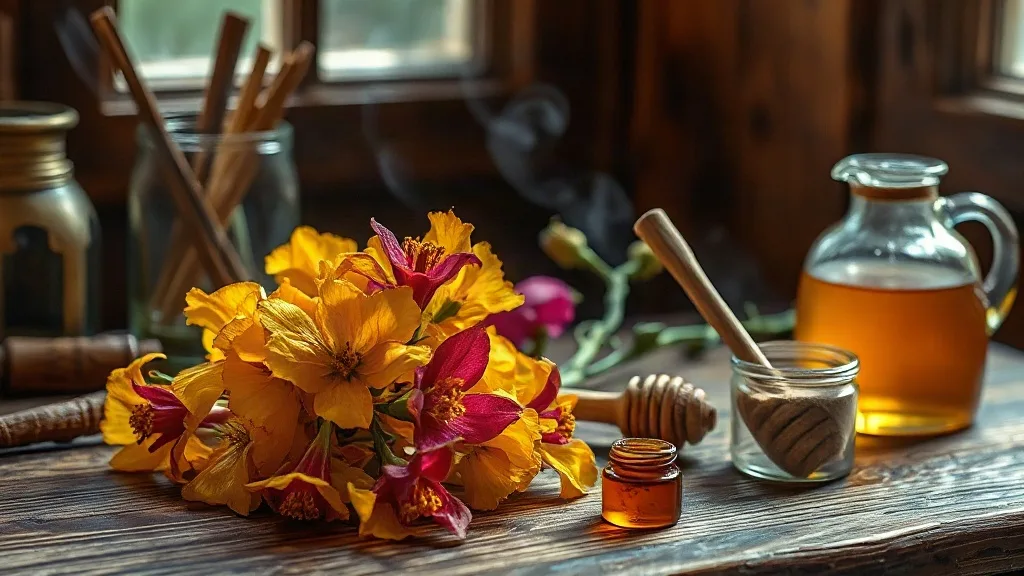
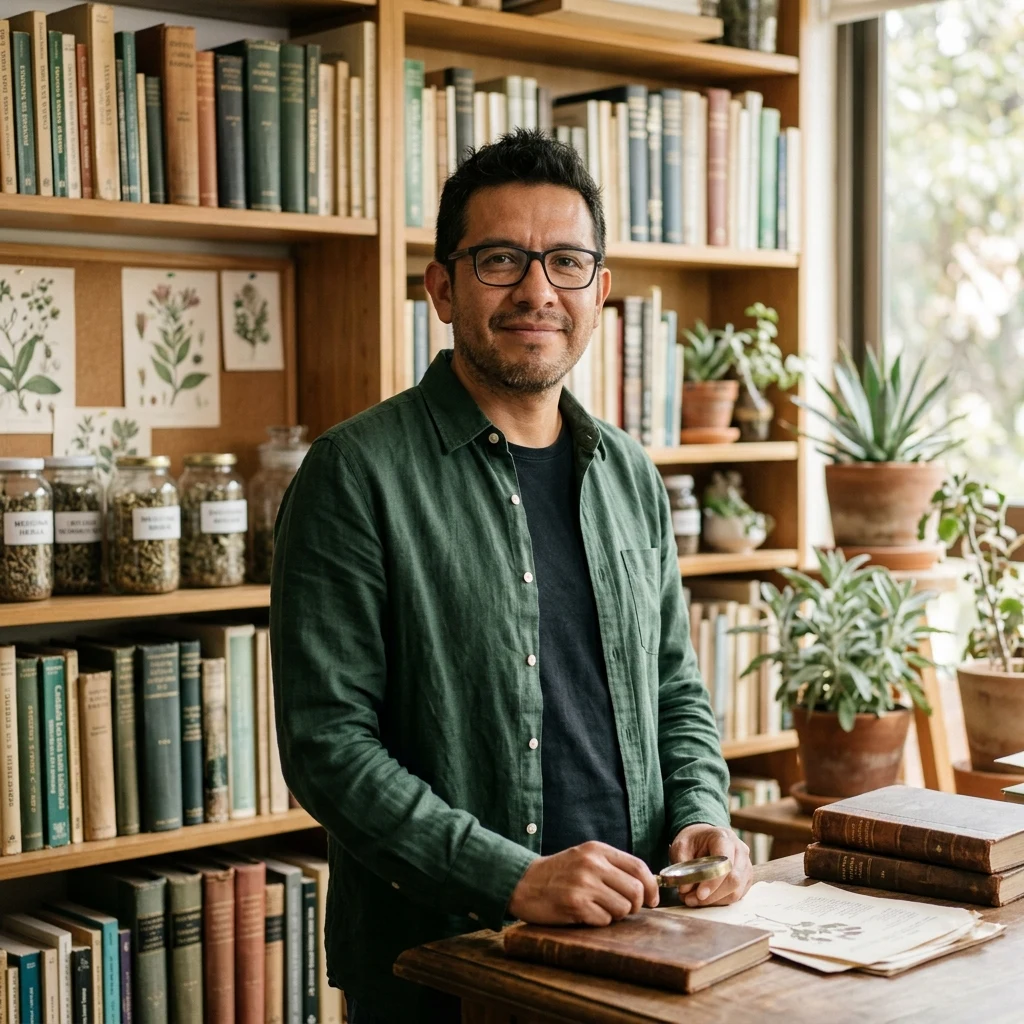
Key Summary: Mexican herbalism books explain traditional dosages by blending ancestral empirical knowledge with botanical rigor. They typically detail specific preparations—such as infusions or decoctions—and precise measurements based on plant parts and patient age, ensuring a safe, accessible bridge between indigenous wisdom and modern health practices.
Why Dosage Is the Hidden Key in Mexican Herbal Literature
Mexican herbalism is a vast treasury of ancestral wisdom, yet many contemporary guides suffer from a critical gap: the lack of precise dosage standards. While these texts excel at cataloging the therapeutic properties of plants like Epazote or Damiana, they often rely on ambiguous terms such as "a pinch," "a handful," or "to taste."
This ambiguity creates a dangerous paradox. In the realm of phytotherapy, the line between a healing remedy and a toxic dose is often razor-thin. Without standardized measurements, the traditional knowledge preserved in literature becomes difficult to apply safely in a modern clinical or home setting.
The core of the problem lies in three main areas:
- Subjectivity: Traditional measurements vary wildly between practitioners and regions.
- Concentration: Books rarely account for the potency differences between a fresh leaf and a concentrated decoction.
- Safety Margins: The absence of clear upper limits increases the risk of adverse reactions or drug interactions.
"The efficacy of a plant is not found in its name, but in the precision of its application."
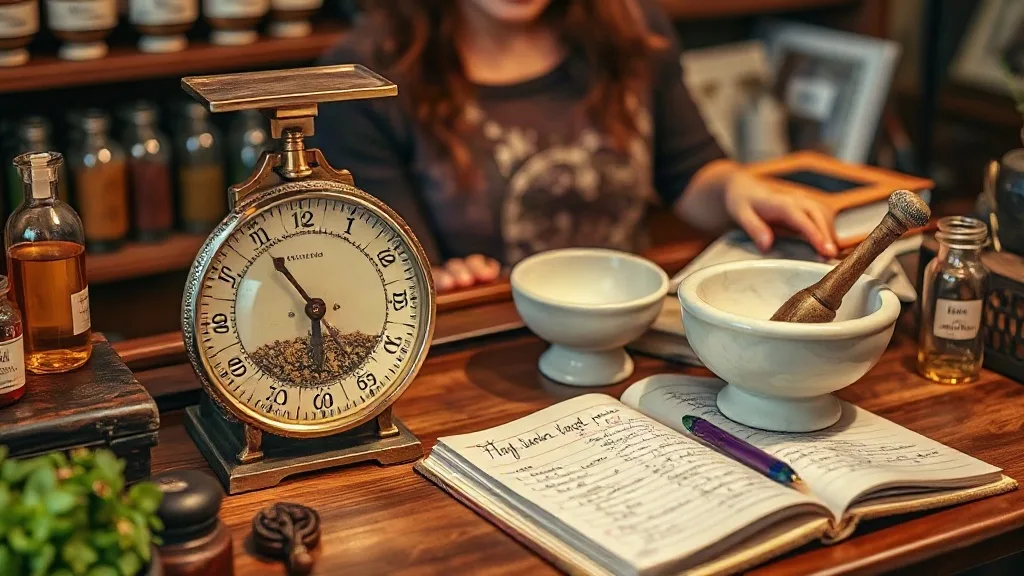
How to Read and Apply Traditional Dosage Instructions Step by Step
Understanding traditional Mexican herbalism requires a shift from modern pharmaceutical precision to a more holistic, observational approach. Most ancestral guides do not use milligrams; instead, they rely on volumetric measurements and the specific state of the plant. To apply these instructions safely and effectively, follow this systematic process:
- Identify the Plant Form: Determine if the text specifies fresca (fresh) or seca (dried). Dried herbs are more concentrated, often requiring smaller quantities.
- Decode Traditional Units: Look for terms like pizca (pinch), puñado (handful), or ramita (small sprig). These are intuitive guides based on the plant's volume relative to the water.
- Prepare the Extraction: Follow the method indicated—whether it is an infusión (steeping leaves/flowers), a decocción (boiling roots/bark), or a tintura (alcohol-based).
- Observe the Dosage Frequency: Traditional texts often suggest "three times a day" or "until symptoms subside," emphasizing the importance of listening to your body's response.
Editorial Note: Traditional dosages are guidelines. Always cross-reference herbal instructions with a healthcare provider to avoid contraindications with modern medications.
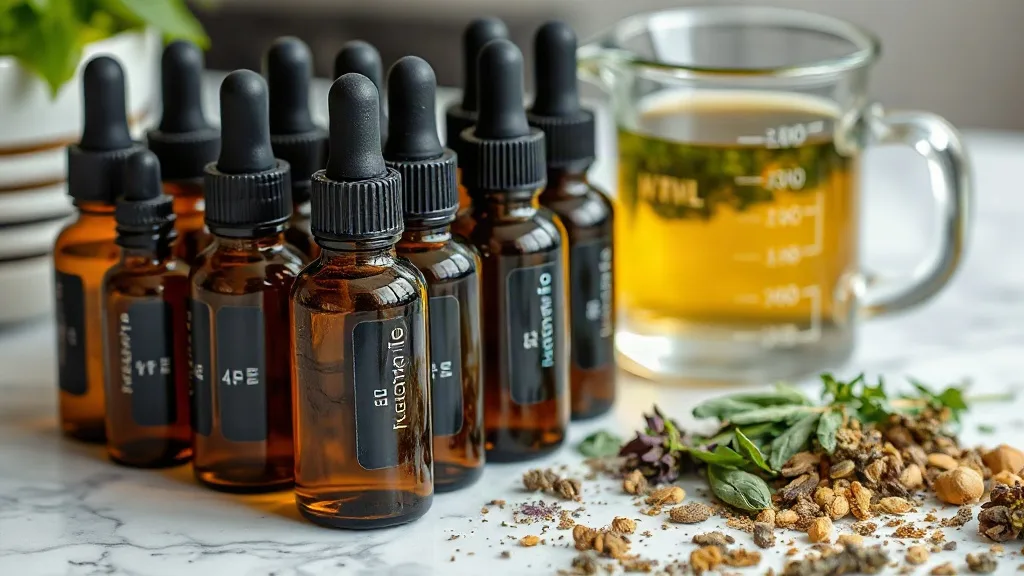
Classic Mexican Herbals vs. Modern References: What to Trust
Navigating the landscape of Mexican herbalism often feels like a tug-of-war between ancestral wisdom and clinical precision. Classic herbals, rooted in ethnographic records and oral traditions, typically describe dosages through intuitive measures—such as "a pinch," "a handful," or "a tea the size of a coffee cup." While these references capture the cultural essence and holistic application of plants, they often lack the standardization required for modern safety protocols.
In contrast, modern pharmacological references prioritize precise milligram dosages and standardized extracts. While safer for preventing toxicity, these texts sometimes strip away the synergistic context of traditional preparations. To achieve a balanced approach, we recommend a hybrid methodology:
- For Cultural Context: Consult classic texts to understand the traditional "spirit" and common uses of the plant.
- For Safety and Precision: Cross-reference every traditional dose with a modern pharmacopeia or a certified clinical herbalist to ensure therapeutic windows are respected.
- For Practical Application: Prioritize resources that bridge the gap, combining botanical identification with evidence-based dosing guidelines.
Ultimately, trust is built through verification; the most reliable practice integrates the intuition of the past with the rigor of the present.
¿Deseas profundizar en Cómo los libros de herbolaria mexicana explican las dosis tradicionales?
Consulta la selección de libros oficiales, manuales de botica y hierbas auténticas disponibles en Amazon con envío prioritario:
Check Prices and Deals on Amazon ↗Frequently Asked Questions about Mexican Herbalism Books
What do Mexican herbal books mean by a “traditional dose”?
A traditional dose is the amount, preparation form, and frequency historically used for a plant in Mexican herbal literature, usually based on folk observation, local custom, and botanical identity rather than clinical trials.
Is it safe to follow traditional dosages from old herbals today?
Traditional dosages can be a useful starting point, but safety depends on the plant species, part used, individual health, and drug interactions; they should be cross-checked with modern toxicology and, when possible, a qualified herbalist or healthcare provider.