Cómo los libros de herbolaria mexicana abordan la seguridad y contraindicaciones

Key Summary: Mexican herbalism books balance traditional wisdom with safety, typically including dedicated sections on contraindications and dosages. While rigorous texts emphasize consulting professionals and avoiding toxicity, others rely on ancestral knowledge. Overall, they promote a cautious, integrative approach to ensure botanical remedies are used safely and effectively.
Why Safety Guidance Is Essential in Traditional Mexican Herbalism
Mexican herbalism is a profound legacy of ancestral wisdom, offering a holistic approach to wellness through the diverse flora of the region. However, the potency of these natural remedies is precisely why rigorous safety guidance is indispensable. In the realm of botanical medicine, the line between a therapeutic dose and a toxic one can be thin, and the belief that "natural" automatically means "safe" is a dangerous misconception.
High-quality herbalism guides address this necessity by transforming raw tradition into structured, safe practice. Without clear contraindications, users risk severe adverse reactions, particularly when herbs interact with pharmaceutical medications or are used during pregnancy and chronic illness.
To mitigate these risks, authoritative texts prioritize the following safety pillars:
- Precise Dosage: Establishing clear boundaries to prevent toxicity.
- Contraindications: Identifying specific health conditions where a plant may be harmful.
- Drug Interactions: Warning against the synergy between botanical compounds and synthetic drugs.
- Identification Accuracy: Ensuring the correct species is used to avoid poisonous look-alikes.
Ultimately, integrating safety protocols does not diminish the magic of traditional healing; it preserves it, ensuring that ancestral knowledge empowers the body without compromising the user's health.
Key Safety Rules and Contraindications Found in Mexican Herbal Manuals
Traditional Mexican herbalism is a sophisticated system of knowledge that balances therapeutic potency with strict safety protocols. Most authoritative manuals emphasize that "natural" does not equate to "harmless," urging practitioners to prioritize dosage and patient history to avoid adverse reactions.
To ensure safe application, these guides typically follow a structured safety framework:
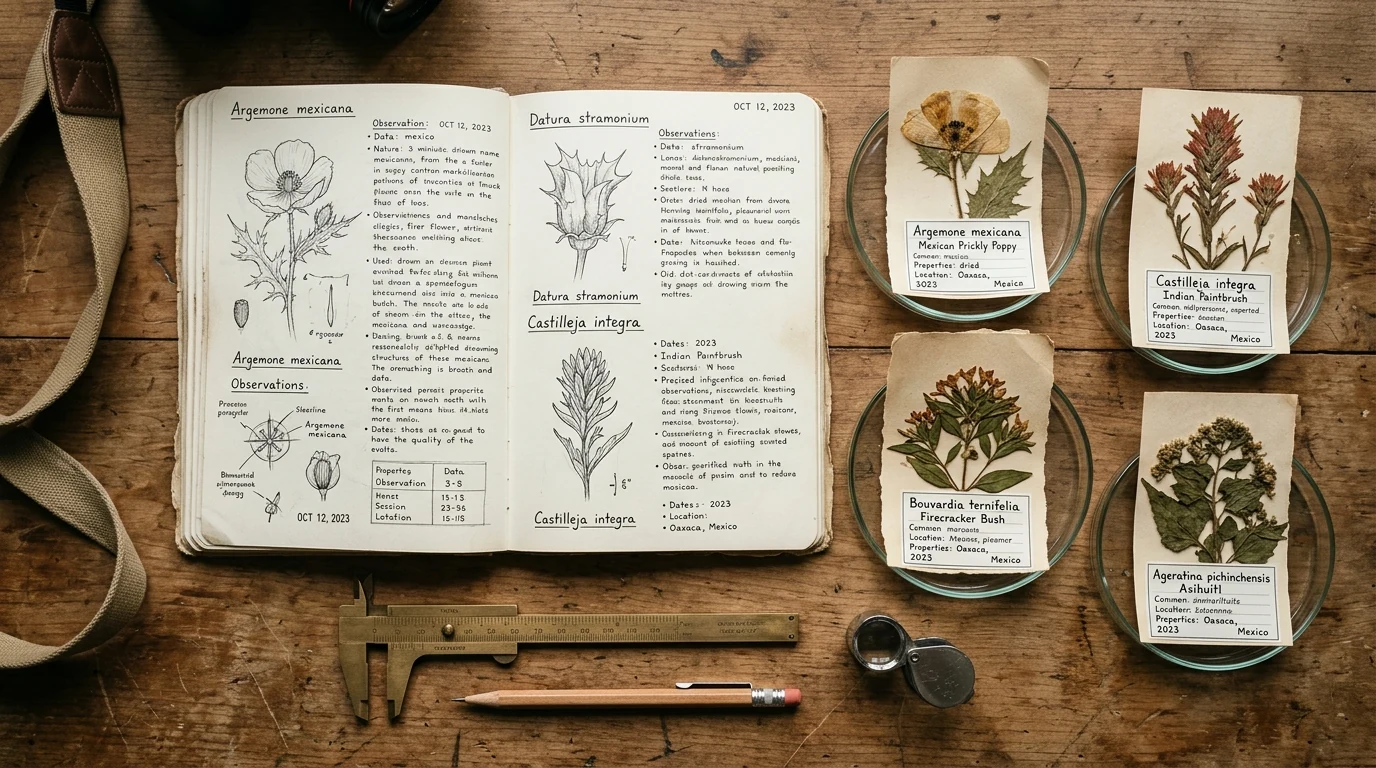
- Dosage Precision: Strict adherence to measurements (e.g., grams per liter for infusions) to prevent toxicity, especially with potent plants like Digitalis or Datura.
- Contraindication Screening: Explicit warnings against using specific herbs during pregnancy, lactation, or in patients with chronic kidney and liver dysfunction.
- Drug Interaction Alerts: Guidance on avoiding herbal teas that may potentiate or inhibit pharmaceutical medications, such as anticoagulants or antihypertensives.
- Gradual Introduction: The recommendation to start with low doses to monitor for allergic reactions or idiosyncratic sensitivities.
"The wisdom of the earth requires the discipline of the mind; a remedy without a dose is a risk, and a plant without a contraindication is a myth."
By integrating these rules, Mexican herbal manuals transform ancestral intuition into a reliable, systematic practice of holistic health.
Comparing Trusted Mexican Herbal Books and How to Pick a Reliable Guide
Navigating the vast landscape of Mexican herbalism requires a discerning eye. While many guides celebrate the ancestral wisdom of curanderismo, the gold standard for a reliable resource is how it addresses safety and contraindications. A trustworthy book does not merely list benefits; it prioritizes the pharmacological interactions between plants and modern medicine.
When comparing guides, look for these critical markers of reliability:
- Scientific Validation: Does the author cross-reference traditional use with botanical nomenclature and clinical studies?
- Explicit Warnings: Are there clear sections on toxicity, dosage limits, and pregnancy contraindications?
- Source Transparency: Does the text cite ethnographic research or recognized pharmacopeias?
"The true value of a herbal guide lies not in the cures it promises, but in the precautions it mandates."
For those seeking a balanced approach, we recommend guides that blend indigenous knowledge with contemporary toxicology. Avoid "quick-fix" manuals that omit side effects. Instead, opt for comprehensive compendiums that treat herbalism as a complementary science, ensuring your journey into Mexican botanicals is as safe as it is transformative.
¿Deseas profundizar en Cómo los libros de herbolaria mexicana abordan la seguridad y contraindicaciones?
Consulta la selección de libros oficiales, manuales de botica y hierbas auténticas disponibles en Amazon con envío prioritario:
Check Prices and Deals on Amazon ↗Frequently Asked Questions about Mexican Herbalism Books
Do Mexican herbal books list side effects and contraindications?
Yes. Reputable manuals on plantas medicinales herbolaria mexicana typically include botanical identification, recommended dosage, active compounds, known toxicities, pregnancy warnings, and possible drug interactions.
Can I use Mexican medicinal plants together with prescription medications?
You should consult a qualified healthcare professional first. Many herbs can interact with pharmaceuticals, and reliable herbal books explicitly warn readers not to self-medicate when taking prescription drugs or managing chronic conditions.