Cómo elegir tu primer libro de herbolaria mexicana
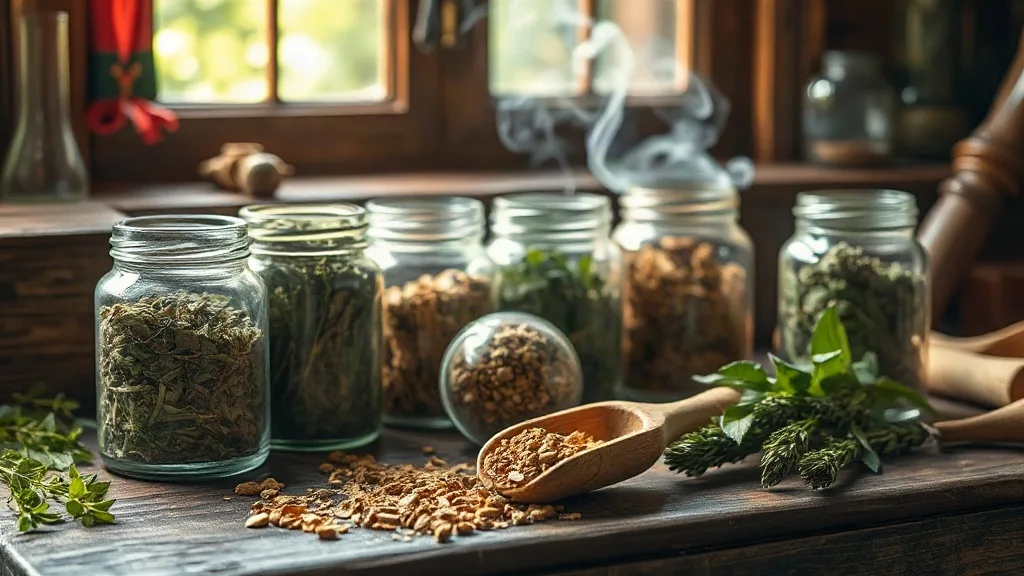
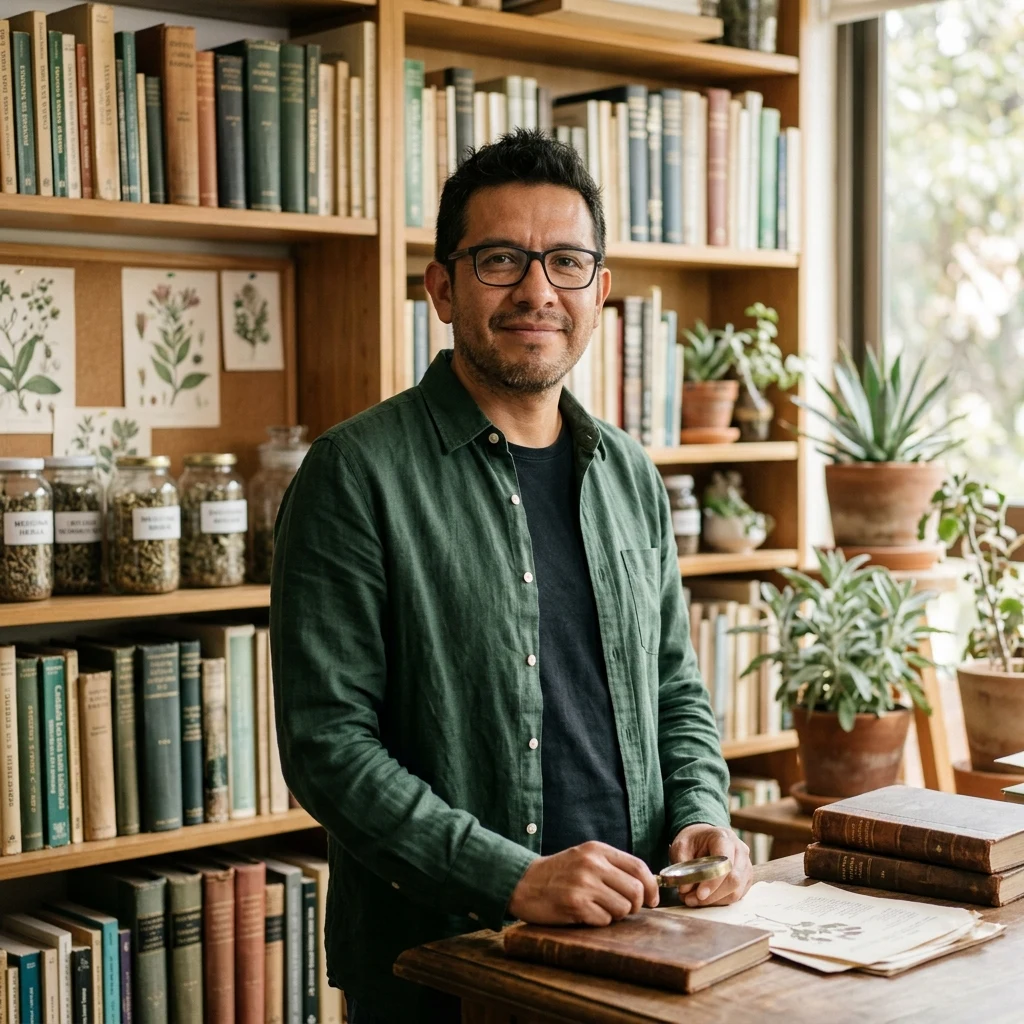
Key Summary: Prioritize authors who bridge ancestral Mexican wisdom with botanical rigor. Look for comprehensive guides featuring high-quality imagery, clear dosage safety, and regional classifications. Choose a text that respects indigenous heritage while grounding its herbal applications in verified science to ensure a safe, culturally authentic journey.
Why Your First Herbal Book Matters (and What Most Beginners Overlook)
Entering the world of Mexican herbalism is an exhilarating journey into ancestral wisdom, but for a beginner, the path is fraught with hidden risks. Many novices make the mistake of treating herbalism as a casual hobby, relying on fragmented internet searches or anecdotal folklore. However, when dealing with potent bioactive compounds, the margin for error is slim.
The danger lies in the details. Without a rigorous foundational text, beginners often overlook three critical pillars of safety:
- Botanical Precision: Misidentifying a plant can lead to the ingestion of toxic look-alikes.
- Dosage Accuracy: The line between a therapeutic dose and a toxic one is often thinner than most realize.
- Evidence vs. Lore: Confusing cultural tradition with clinical evidence can lead to dangerous drug interactions or ineffective treatments.
"A solid first book isn't just a guide; it is your primary safety protocol."
Your first choice of literature sets the trajectory for your entire practice. By investing in a comprehensive, scientifically grounded resource, you transition from guesswork to mastery, ensuring that your exploration of Mexico's rich botanical heritage is both transformative and, above all, safe.
What to Look for in a Trustworthy Mexican Herbalism Book
Entering the world of Mexican herbalism requires a balance between honoring ancestral wisdom and ensuring pharmacological safety. To choose a guide that is both authentic and reliable, look for these essential criteria:
- Author Credentials: Prioritize authors with formal training in botany, pharmacology, or recognized apprenticeships with traditional curanderos.
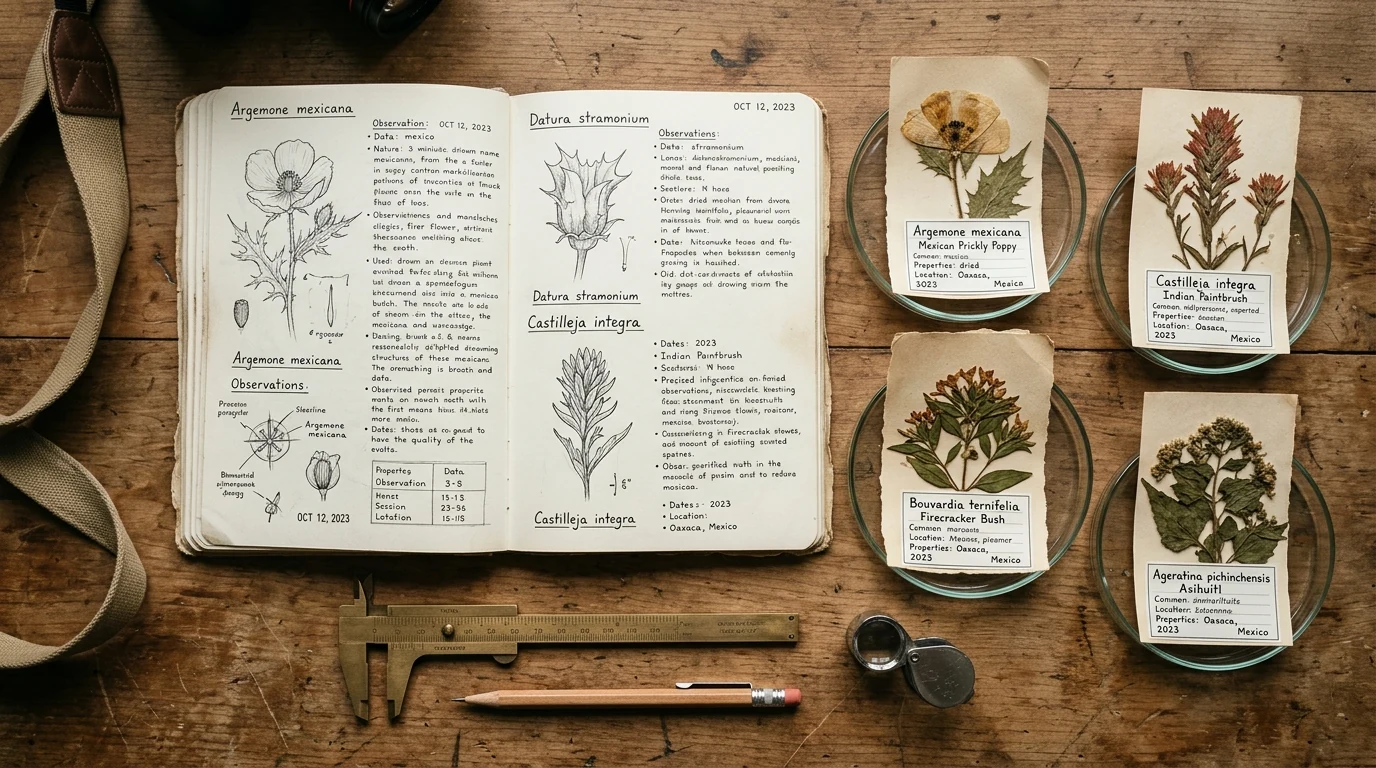
- Precise Botanical Identification: A reputable book must include scientific Latin names alongside common names to avoid dangerous misidentifications of species.
- Clear Dosage and Safety Guidance: Trustworthy texts provide specific measurements, contraindications, and warnings regarding potential drug interactions.
- Traditional Context: Look for narratives that explain the cultural significance and the "spirit" of the plant, preserving the holistic essence of Mexican tradition.
- Integration with Modern Evidence: The best resources bridge the gap between folklore and science, citing phytotherapy evidence to validate traditional uses.
Selecting a high-quality reference is your first step toward a safe and transformative healing journey. Never rely on a source that simplifies dosage or ignores the biological complexity of the flora.
Recommended Starting Points and How They Compare
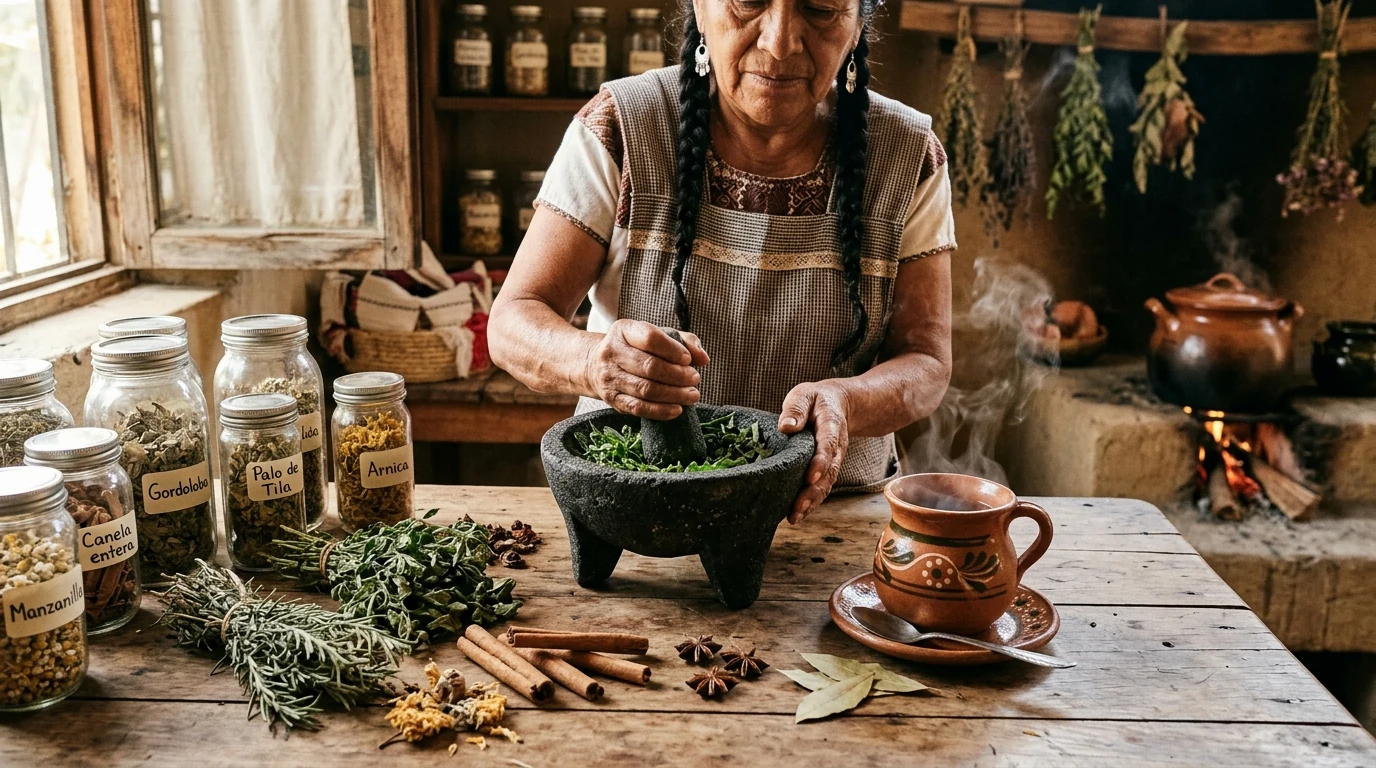
Entering the world of Mexican herbalism can be overwhelming due to the vast amount of available data. The right choice depends on whether you seek scientific rigor, ancestral wisdom, or immediate practical application. Here is how the primary resource types compare:
- Field Guides: Ideal for the explorer. These focus on botanical identification and habitat, helping you recognize plants in the wild. Recommendation: Look for guides specific to the Mexican Highlands or Tropical zones.
- Clinical Monographs: Best for those prioritizing safety and pharmacology. They provide evidence-based data on active compounds and contraindications. Recommendation: Academic texts from UNAM or specialized pharmacopeias.
- Ethnobotanical Overviews: Perfect for understanding the cultural "why." These bridge the gap between indigenous tradition and modern use. Recommendation: Works documenting Mayan or Aztec medicinal legacies.
- Practical Remedy Manuals: The fastest route to application. These are "recipe-style" books focusing on tinctures, teas, and salves. Recommendation: Community-driven manuals focused on home wellness.
Pro Tip: For a balanced start, pair a Field Guide for identification with a Clinical Monograph to ensure every remedy you prepare is both authentic and safe.
¿Deseas profundizar en Cómo elegir tu primer libro de herbolaria mexicana?
Consulta la selección de libros oficiales, manuales de botica y hierbas auténticas disponibles en Amazon con envío prioritario:
Check Prices and Deals on Amazon ↗Frequently Asked Questions about Mexican Herbalism Books
Can I learn Mexican herbalism from just one book?
One good book can provide a solid foundation, but safe practice usually requires cross-referencing field guides, academic texts, and, when possible, guidance from trained herbalists or traditional healers.
Are traditional Mexican herb books safe to use without consulting a health professional?
Herbal books are educational resources, not medical prescriptions. Always consult a qualified health professional before using herbs, especially if you are pregnant, nursing, have a chronic condition, or take medications.