Cómo detectar información errónea en libros de herbolaria
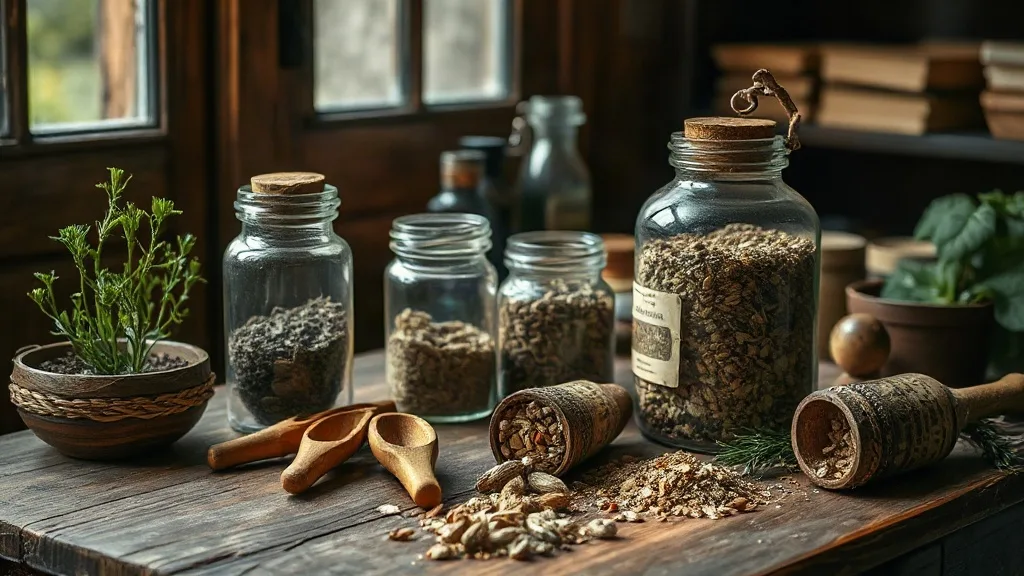

Key Summary: Cross-reference claims with peer-reviewed databases like PubMed. Be wary of "miracle cures" or books lacking botanical Latin names and dosage citations. Prioritize authors who balance traditional wisdom with clinical evidence, emphasizing safety and contraindications over anecdotal success to ensure your herbal practice is both safe and effective.
Why Misinformation in Herbal Books Can Be Dangerous
While herbalism offers a bridge to natural wellness, relying on poorly researched or outdated literature can transform a healing journey into a health crisis. The danger lies in the gap between anecdotal tradition and rigorous botanical science, where a single error in a guidebook can have severe consequences.
The risks of misinformation generally fall into four critical categories:
- Incorrect Plant Identification: Many toxic species bear a striking resemblance to medicinal ones. A misidentified leaf can lead to accidental poisoning or organ failure.
- Unsafe Dosing: Without standardized measurements, "a pinch" or "a handful" can be the difference between a therapeutic dose and a toxic overdose.
- Exaggerated Cure Claims: Books that promise "miracle cures" for chronic diseases often encourage patients to abandon life-saving medical treatments in favor of unproven remedies.
- Traditional vs. Clinical Confusion: There is a vast difference between a plant used traditionally for centuries and one with clinically proven efficacy. Confusing the two can lead to ineffective self-treatment of serious conditions.
True botanical safety requires a commitment to cross-referencing sources and prioritizing evidence-based data over romanticized folklore.
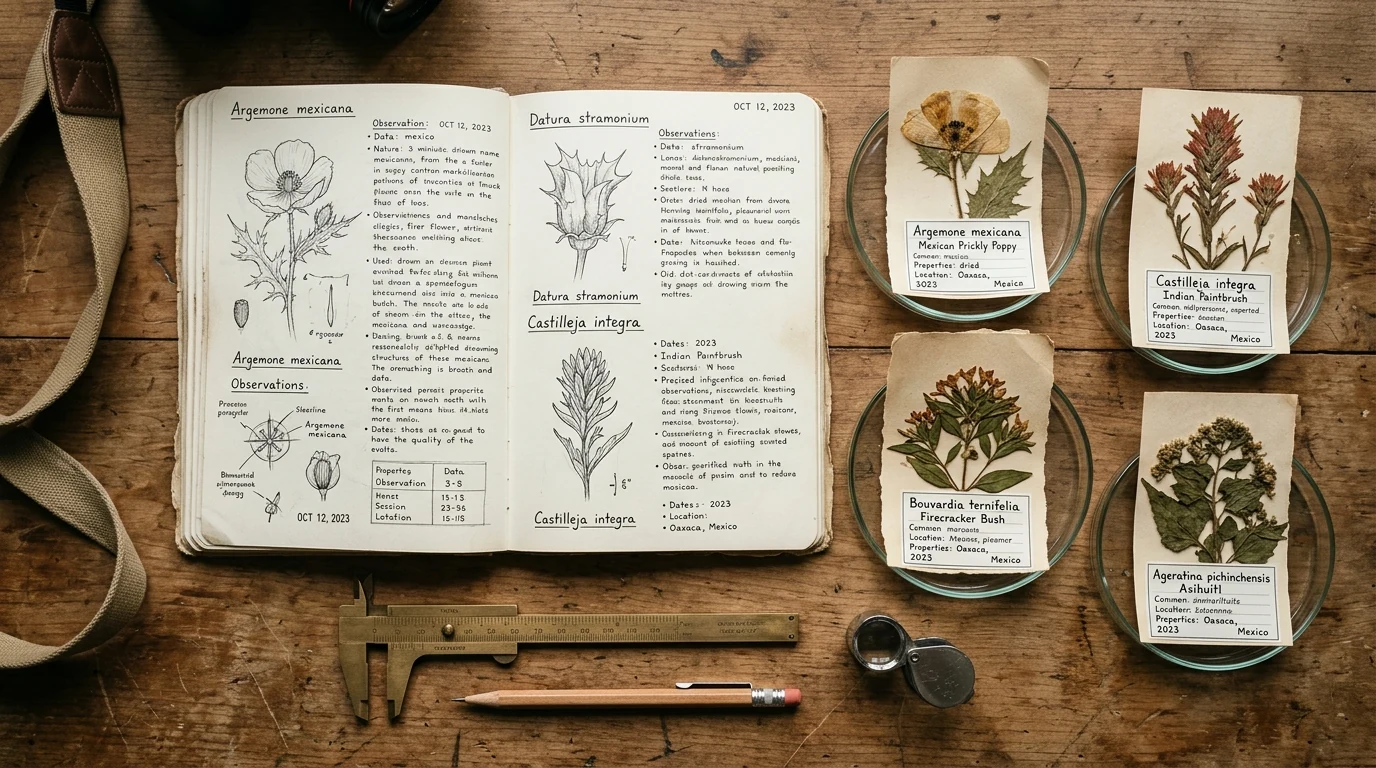
A 5-Step Checklist to Spot Unreliable Herbal Claims
Navigating the vast world of herbal literature requires a critical eye. To distinguish evidence-based wisdom from dangerous misinformation, use this rigorous verification framework before incorporating any botanical remedy into your wellness routine.
- Verify Author Credentials: Look beyond "enthusiast" labels. Ensure the author has formal training in pharmacology, botany, or certified clinical herbalism.
- Check Botanical Precision: Reliable texts always include the Latin binomial (e.g., Lavandula angustifolia) and specify the exact plant part used (root, leaf, or flower), as potency varies by organ.
- Scrutinize Dosage and Safety: Be wary of "one size fits all" advice. Reputable guides provide precise dosages and a comprehensive list of contraindications and potential drug interactions.
- Evaluate Citation Quality: Avoid claims backed only by "ancient tradition" or anecdotal testimonials. Look for references to clinical trials or established pharmacopeias.
- Cross-Reference with Regulatory Bodies: Validate the information against peer-reviewed databases or regulatory authorities, such as the EMA or NIH, to ensure the safety profile is current.
By applying these filters, you transform from a passive reader into an informed consumer, prioritizing safety over sensationalist health claims.
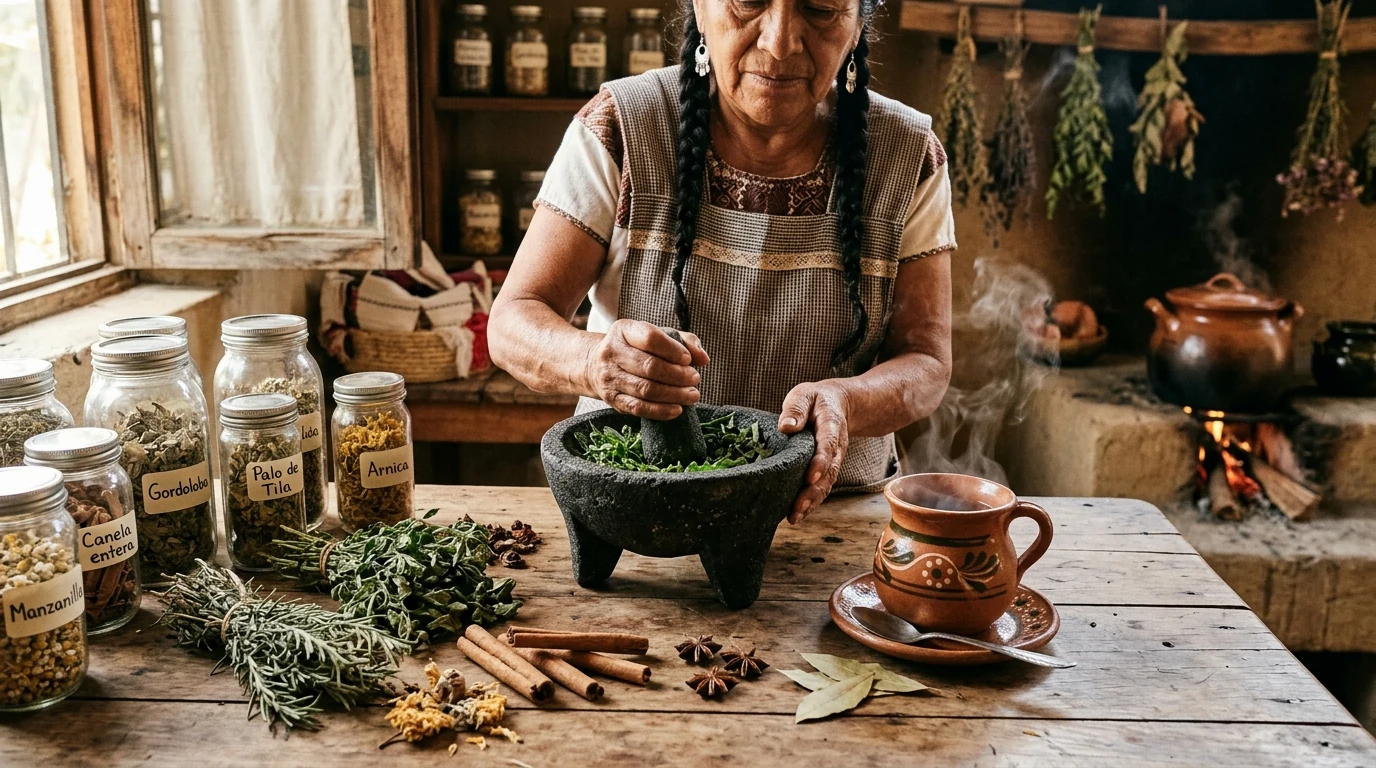
Reliable Herbal Resources vs. Red-Flag Books
Navigating the vast landscape of herbal literature requires a discerning eye to distinguish evidence-based guidance from dangerous misinformation. Trustworthy resources are characterized by transparency, rigorous methodology, and a commitment to safety. When seeking reliable data, prioritize the following gold standards:
- Ethnobotanical Field Guides: Essential for accurate botanical identification and preventing toxic substitutions.
- Peer-Reviewed Monographs: Comprehensive reviews that synthesize clinical data and pharmacological effects.
- Official Pharmacopeias: Standardized references ensuring purity, potency, and chemical consistency.
- Clinical Interaction Databases: Vital tools for identifying potentially lethal herb-drug interactions.
Conversely, certain "red flags" signal a lack of scientific integrity. Be wary of publications that employ miracle-cure language, promising instant results for chronic diseases, or those featuring anonymous authorship without verifiable credentials. The most critical warning sign, however, is the absence of safety data; any book that promotes a botanical remedy without discussing contraindications, dosage limits, or side effects is not a medical resource, but a liability.
True herbal expertise does not promise miracles; it provides documented evidence and prioritizes patient safety above all else.
¿Deseas profundizar en Cómo detectar información errónea en libros de herbolaria?
Consulta la selección de libros oficiales, manuales de botica y hierbas auténticas disponibles en Amazon con envío prioritario:
Check Prices and Deals on Amazon ↗Frequently Asked Questions about Mexican Herbalism Books
How can I tell if an herbal book is reliable?
Look for clear botanical nomenclature, cited scientific or ethnobotanical sources, qualified authors (botanists, pharmacists, medical herbalists), precise dosage guidance, and honest discussion of risks, contraindications, and evidence limitations.
What are common red flags of misinformation in herbal books?
Common red flags include promises of miracle cures, anonymous or unverified authors, lack of Latin plant names, missing dosage or safety information, dismissal of side effects, and claims that a single herb treats many unrelated serious diseases without evidence.