Herbolaria Ancestral
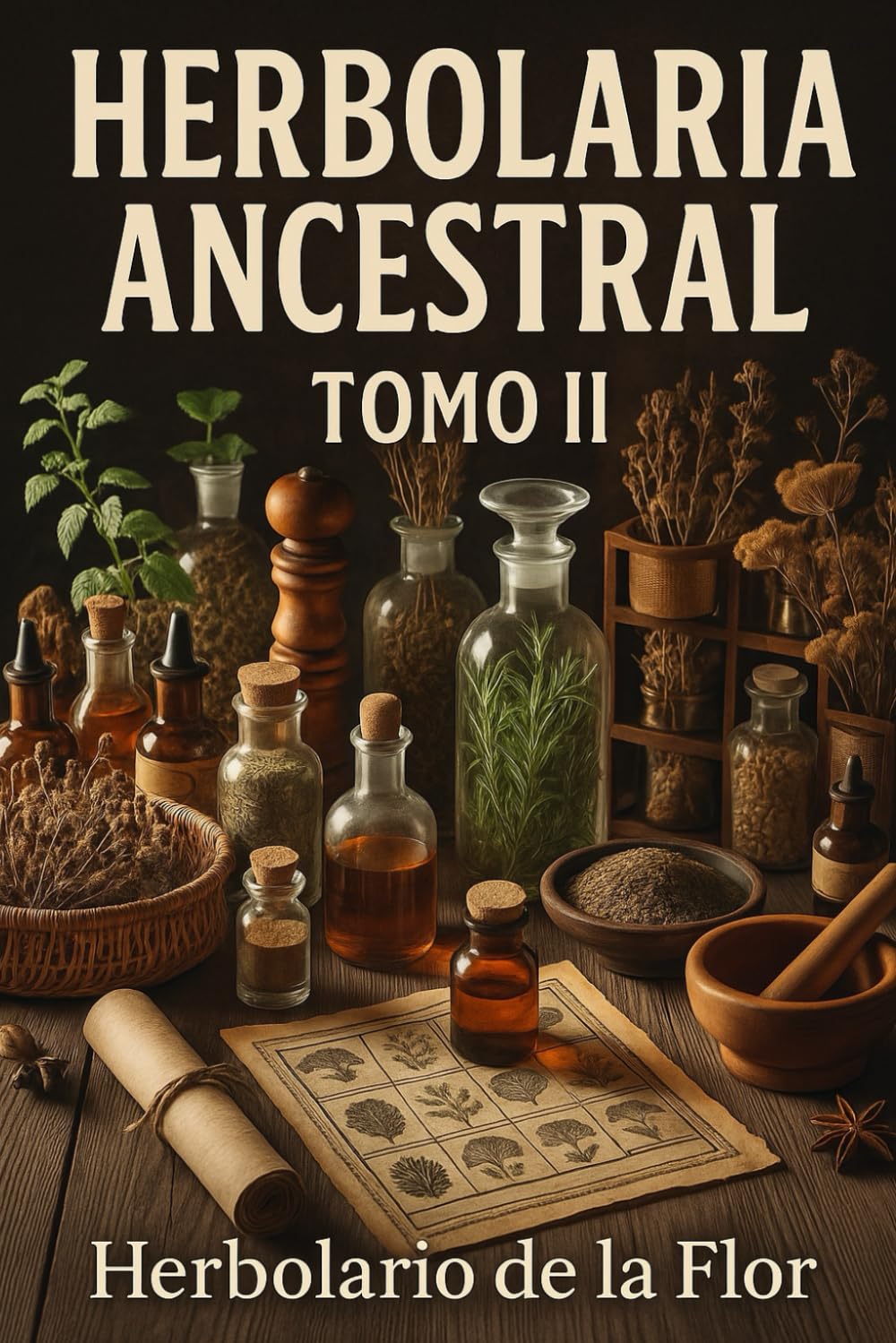

Quick Verdict: A grounded, bilingual guide that treats roots and barks with quiet reverence. Eschewing mysticism for practical wisdom, it pairs a focused materia medica with clear, step-by-step recipes for decoctions and tinctures, bridging ancestral tradition with the modern home apothecary. Earthy, precise, and deeply useful.
From Gentian to Slippery Elm: What’s Inside the Root-and-Bark Materia Medica?
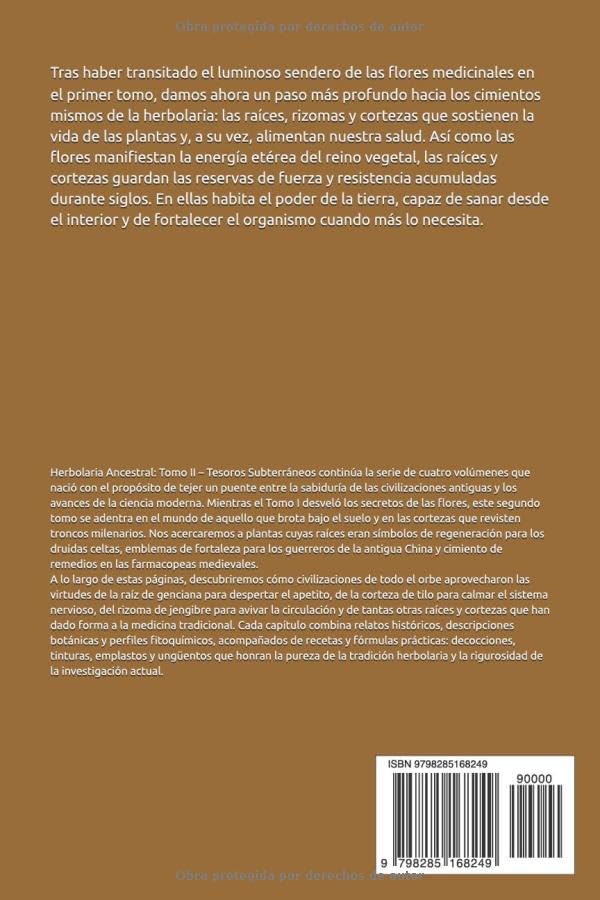
There is a grounding honesty in working with the subterranean parts of a plant. While leaves offer fleeting seasonal energy, roots and barks are the archives of the plant’s survival—concentrated, stubborn, and potent. In Herbolaria Ancestral, the approach to this materia medica is refreshingly devoid of fluff. It treats the bitter punch of Gentian and the soothing mucilage of Slippery Elm not as magical cures, but as practical tools for the home apothecary.
The text avoids the trap of clinical sterility, opting instead for a tone that feels like a conversation over a wooden workbench. It respects the raw chemistry of the earth, guiding the reader through the patience required for decoctions and the precision of a well-timed tincture. It is less about "healing" in a vague sense and more about the rhythmic application of botanical allies to support the body's own resilience.
"A practical guide that respects the plant's power without overpromising; it feels like having a master herbalist in the kitchen."
By stripping away the mysticism, the book allows the plants to speak for themselves, transforming a simple pantry of dried barks into a sophisticated system of ancestral support.

Decoctions, Tinctures, and Ointments: How Usable Are the Recipes for Home Herbalists?
The true measure of a herbal guide isn't found in its claims, but in the smudge of resin on the fingertips and the scent of simmering roots in the kitchen. In Herbolaria Ancestral, the transition from theory to practice is handled with a grounded, unpretentious clarity. The recipes avoid the trap of vague measurements, treating the apothecary’s art as a disciplined craft rather than a mystical whim.
Whether you are steeping a slow decoction of woody barks or infusing a lipid-based ointment, the instructions prioritize the physical reality of the plant. There is a quiet reverence here for the raw material—an understanding that the potency of a tincture depends as much on the patience of the maker as it does on the quality of the solvent.
"The instructions are clear and accessible, making it easy to recreate these ancestral remedies at home without feeling overwhelmed."
By stripping away the esoteric fluff, the text transforms the home kitchen into a functional laboratory. It doesn't promise miracles; it offers a reliable map for those willing to get their hands dirty, ensuring that the bridge between ancestral wisdom and modern usability is sturdy, practical, and profoundly honest.
Who Should Dig Into This Volume (and Can You Start Here Without Book 1)?
This volume is crafted for the home steward—the person who finds more solace in the scent of dried peppermint and the grit of a root-grinder than in a sterile pharmacy. If you are drawn to the quiet rhythm of the seasons and prefer a kitchen apothecary approach where nature provides the remedy and patience provides the cure, you will find your place here. It is for those who seek a grounded, tactile relationship with botany, stripped of vague mysticism and focused on the honest utility of the earth.
"A practical guide that respects the plant and the practitioner alike, turning a simple kitchen into a sanctuary of wellness."
As for the sequence: while the series builds a cumulative wisdom, this volume stands on its own two feet. You do not need the first book to begin steeping your teas or preparing your tinctures. Think of it as entering a garden through a side gate; you might miss the initial map, but the soil is just as rich and the lessons just as potent. Whether you are a seasoned gatherer or someone simply curious about the barks and berries in your backyard, you can start here without hesitation.
Verified Strengths & Pros
- ✓ Enfoque práctico con guías paso a paso para preparaciones (decocciones, tinturas, pomadas)
- ✓ Especialización técnica en raíces y cortezas medicinales
- ✓ Equilibrio entre tradición ancestral y validación científica actual
- ✓ Variedad de aplicaciones terapéuticas (sistema inmunitario, inflamaciones, digestión)
Points to Consider & Cons
- ✕ Es el segundo volumen de una serie, lo que puede generar dependencia de tomos anteriores
- ✕ Enfoque limitado exclusivamente a raíces y cortezas, omitiendo otras partes de la planta
Who is this book ideal for?
- Herbolarios y practicantes de medicina natural
- Profesionales de la salud natural
- Entusiastas de los remedios caseros y la fitoterapia
- Personas interesadas en el bienestar natural y la medicina ancestral
Not recommended for: Personas que buscan una guía general de herbolaria en un solo tomo o que rechacen la base científica en la medicina natural.
Editorial Gallery & A+ Content
Verified Reader Reviews
Imprescindible: Enfoque práctico con guías paso a paso para preparaciones (decocciones, tinturas, pomadas)
"Un libro de referencia excelente para herbolarios y practicantes de medicina natural. Destaca por su rigor, enfoque práctico con guías paso a paso para preparaciones (decocciones, tinturas, pomadas) y la facilidad con la que se pueden poner en práctica los remedios tradicionales."
Muy completo y bien documentado
"Superó mis expectativas. La obra rescata con gran respeto la sabiduría herbolaria y ofrece especialización técnica en raíces y cortezas medicinales. Totalmente recomendado para tenerlo en la biblioteca familiar."
¿Dónde comprar Herbolaria Ancestral?
Accede a la edición oficial con garantía de autenticidad, envío prioritario y disponibilidad inmediata en Amazon:
Get the Official Paperback on Amazon ↗Frequently Asked Questions about Mexican Herbalism Books
Do I need to read the first volume of Herbolaria Ancestral before this one?
No. Volume 2 focuses specifically on roots and barks, so it works as a standalone practical guide. However, reading the first volume can give you a fuller sense of the author’s overall framework for leaves, flowers, and general herbal preparation.
Are the recipes safe for beginners with no formal herbal training?
The book is written in a step-by-step, accessible style, but roots and barks such as licorice and gentian can have contraindications or interact with medications. Beginners can follow the recipes, but they should use the safety notes provided and consult a qualified healthcare professional before using any new herbal remedy.