El Yerberito Feliz - Ticitl Pakiani
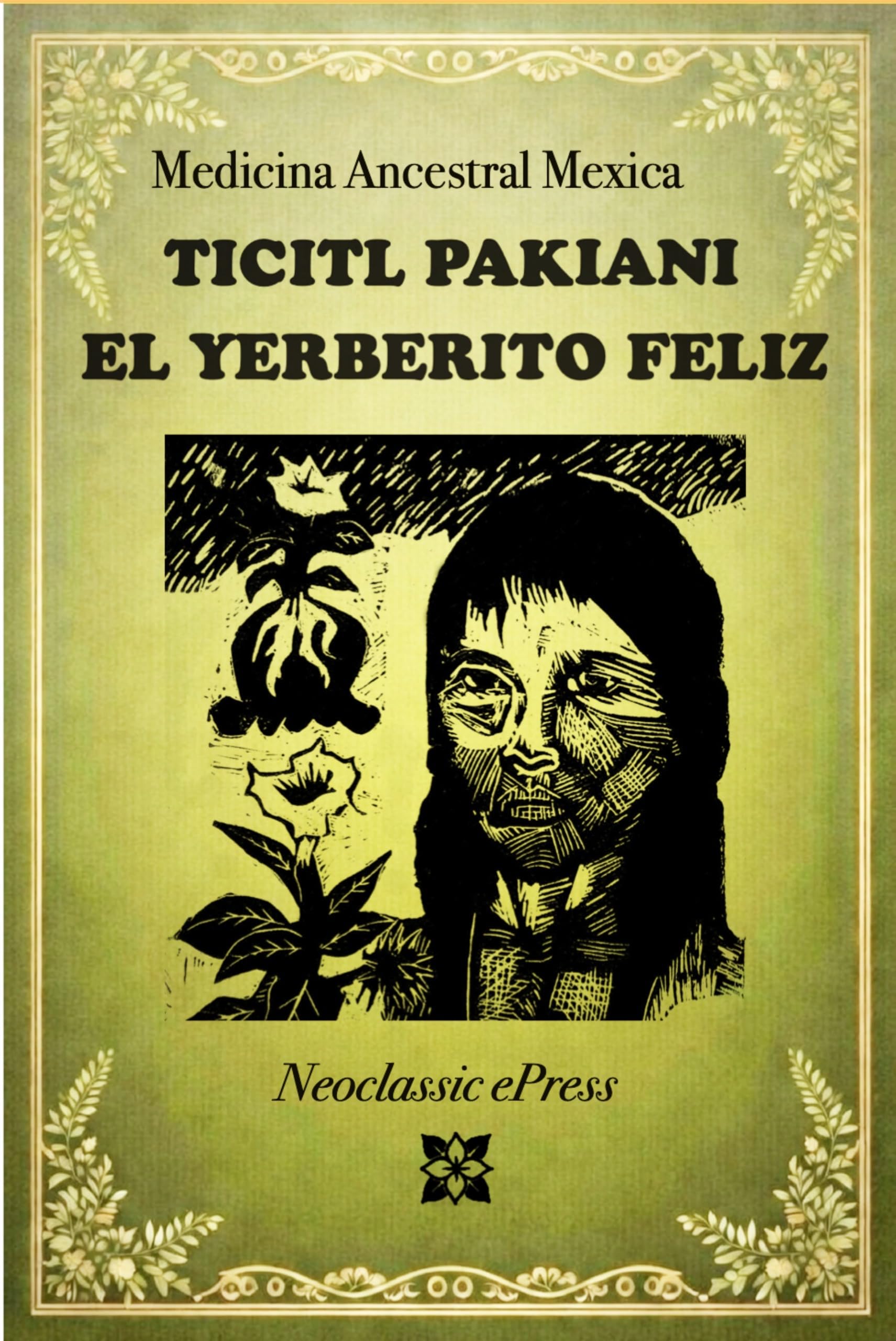
Quick Verdict: More than a manual, this is a heartfelt invitation into Mexico’s living tradition. Written by a true ticitl, it blends Nahuatl wisdom with practical plant guides, offering an authentic, soulful bridge to ancestral healing that clinical textbooks simply can’t capture. A precious gem for every curious soul.
From the Yerbero’s Kitchen to Your Bookshelf: What Makes This Folk Herbalism Manual Different
Most herbal guides read like sterile textbooks, stripping the plant of its spirit to focus solely on the chemical compound. El Yerberito Feliz - Ticitl Pakiani is a different kind of creature entirely. It doesn't just list ingredients; it invites you into the aromatic, steam-filled kitchen of a living tradition. José Ricardo Ruiz writes not as a distant academic, but as a bridge between the ancestral wisdom of the abuelas and the modern seeker.
What sets this manual apart is its heartbeat. It honors the Ticitl—the traditional healer—by treating plants as allies rather than mere commodities. The guidance is conversational and grounded, blending practical safety with the intuitive grace of Mexican folk medicine. It transforms the act of brewing a tea into a ritual of care, ensuring that the cultural essence of the yerbería remains intact for an English-speaking audience.
"It feels less like a manual and more like a conversation with a wise neighbor who truly cares about your well-being."
This isn't just a book about remedies; it is a preservation of identity, offering a respectful gateway into a world where nature and healing are inextricably entwined.
Beyond the Botanical Names: How the Book Honors Nahuatl Healing Language and Living Practice
To open El Yerberito Feliz is to step away from the sterile world of clinical botany and enter the warm, humming atmosphere of a traditional Mexican market. José Ricardo Ruiz doesn't just list ingredients; he preserves a heartbeat. While modern guides often strip plants of their spirit to fit a scientific label, this work treats the Nahuatl language not as a relic of the past, but as a living bridge to healing. It recognizes that a plant's true medicine is tied to the name given to it by those who first listened to its whispers.
There is a profound, neighborly wisdom here—the kind of guidance you’d receive from a trusted ticitl over a cup of tea. The book balances this ancestral soul with a necessary clarity, ensuring that those of us navigating these remedies for the first time do so with safety and deep respect for the lineage. It transforms the act of herbalism from a mere hobby into a ritual of cultural reconnection.
"It's more than a manual; it's a conversation with our ancestors that teaches us how to listen to the earth again."
By weaving together living practice and linguistic heritage, Ruiz ensures that the wisdom of the abuelas remains a vibrant, accessible sanctuary for the modern seeker.
The Central Mexico Plant Files: Who This Book Helps (and Who Should Skip It)
Walking through the pages of El Yerberito Feliz feels less like studying a textbook and more like sitting in a sun-drenched kitchen with a trusted neighbor who knows exactly which leaf calms a restless spirit or settles a heavy stomach. José Ricardo Ruiz doesn't just list ingredients; he preserves a living lineage of Ticitl Pakiani—the art of the traditional healer.
This book is a sanctuary for the curious soul, the home gardener, and those of us yearning to reconnect with the ancestral wisdom of Central Mexico. If you value the "slow medicine" of the earth and want to understand the cultural heartbeat behind the remedy, you'll find yourself right at home here.
"A bridge between ancient tradition and modern curiosity, offering a gentle hand to those seeking natural balance."
However, if you are looking for a clinical, sterile pharmaceutical manual or a quick-fix guide devoid of cultural context, this may not be your cup of tea. This work demands a certain reverence for tradition and a willingness to listen to the plants. It is for the seeker, not the skeptic; for those who understand that healing is as much about the heart as it is about the herb.
Verified Strengths & Pros
- ✓ Basado en tradición viva y conocimientos transmitidos generacionalmente
- ✓ Enfoque regional específico (Ciudad de México y Tlaxcala)
- ✓ Incluye guías prácticas de preparación (infusiones, cocimientos, emplastos)
- ✓ Contenido diversificado que abarca desde salud general hasta plantas rituales y anti-envejecimiento
- ✓ Incluye vocabulario técnico básico para principiantes
Points to Consider & Cons
- ✕ Limitación geográfica del catálogo de plantas al centro de México
- ✕ Enfoque en medicina popular que puede carecer de validación clínica moderna
Who is this book ideal for?
- Practicantes de medicina tradicional y herbolaria
- Personas interesadas en la cultura y tradiciones mexicanas
- Buscadores de remedios naturales y medicina popular
- Estudiantes de botánica medicinal enfocada en el centro de México
Not recommended for: Personas que busquen un tratado médico científico estrictamente clínico o herbolaria de otras regiones geográficas.
Verified Reader Reviews
Imprescindible: Basado en tradición viva y conocimientos transmitidos generacionalmente
"Un libro de referencia excelente para practicantes de medicina tradicional y herbolaria. Destaca por su rigor, basado en tradición viva y conocimientos transmitidos generacionalmente y la facilidad con la que se pueden poner en práctica los remedios tradicionales."
Muy completo y bien documentado
"Superó mis expectativas. La obra rescata con gran respeto la sabiduría herbolaria y ofrece enfoque regional específico (ciudad de méxico y tlaxcala). Totalmente recomendado para tenerlo en la biblioteca familiar."
¿Dónde comprar El Yerberito Feliz - Ticitl Pakiani?
Accede a la edición oficial con garantía de autenticidad, envío prioritario y disponibilidad inmediata en Amazon:
Get the Official Paperback on Amazon ↗Frequently Asked Questions about Mexican Herbalism Books
Can I use the remedies in El Yerberito Feliz if I live in the United States and don’t have access to Mexican markets?
Yes, many of the plants—such as epazote, albahaca, and aguacate—are available at Latin grocery stores, farmers’ markets, or online herb suppliers in the U.S. The book focuses on traditional knowledge and use rather than exact sourcing, so you can adapt it to what you can find locally. Just be sure to identify plants correctly and consult a healthcare provider for serious conditions.
Does El Yerberito Feliz include scientific dosage charts, or is it purely traditional?
It is primarily a traditional, folk-herbalism guide based on generational yerbero practice. It offers practical plant fiches and cultural context, not clinical dosage tables or Western medical protocols. Think of it as a respectful companion to Mexican healing wisdom rather than a substitute for a medical textbook.